
Traveling from Kigali to gorilla trekking in Volcanoes National Park is one of the most…
Community & Cultural Visits in Rwanda (Iby’Iwacu & Villages
Community & cultural visits in Rwanda have become one of the most meaningful and fast-growing travel experiences in East Africa. As travelers increasingly seek deeper, more responsible ways to explore destinations, Rwanda stands out as a leader in community-based tourism. Beyond wildlife safaris and gorilla trekking, Rwanda offers rich opportunities to connect with local people, traditions, history, and everyday life. These immersive encounters allow visitors to go beyond sightseeing and truly understand Rwanda’s culture, resilience, and values.
In 2026 and beyond, community & cultural visits in Rwanda are no longer optional add-ons—they are core experiences within Rwanda safaris, Rwanda cultural tours, and tailor-made tours in Rwanda. From renowned cultural centers such as Iby’Iwacu Cultural Village to authentic rural village visits across the country, travelers can experience Rwanda through music, dance, storytelling, cuisine, crafts, and meaningful interaction with local communities. These visits support sustainable tourism, empower local families, and preserve Rwanda’s cultural heritage while enriching the traveler’s journey.
Why Community & Cultural Tourism Matters in Rwanda
Rwanda’s success in community-based tourism is rooted in inclusivity and sustainability. Cultural tourism in Rwanda directly benefits local communities by creating employment, supporting education, and funding conservation initiatives. Revenue generated from village visits, cultural performances, and handicrafts helps reduce reliance on natural resources and promotes long-term conservation of national parks such as Volcanoes National Park.
For travelers, community & cultural visits in Rwanda offer authenticity. Instead of staged performances, visitors engage with real stories, daily routines, and living traditions. This approach aligns perfectly with modern travel trends focused on responsible tourism in Rwanda, ethical travel, and cultural exchange. Whether combined with gorilla trekking, wildlife safaris, or city tours, cultural visits add depth and emotional connection to any Rwanda itinerary.
Iby’Iwacu Cultural Village – The Heart of Rwanda Cultural Experiences
Iby’Iwacu Cultural Village
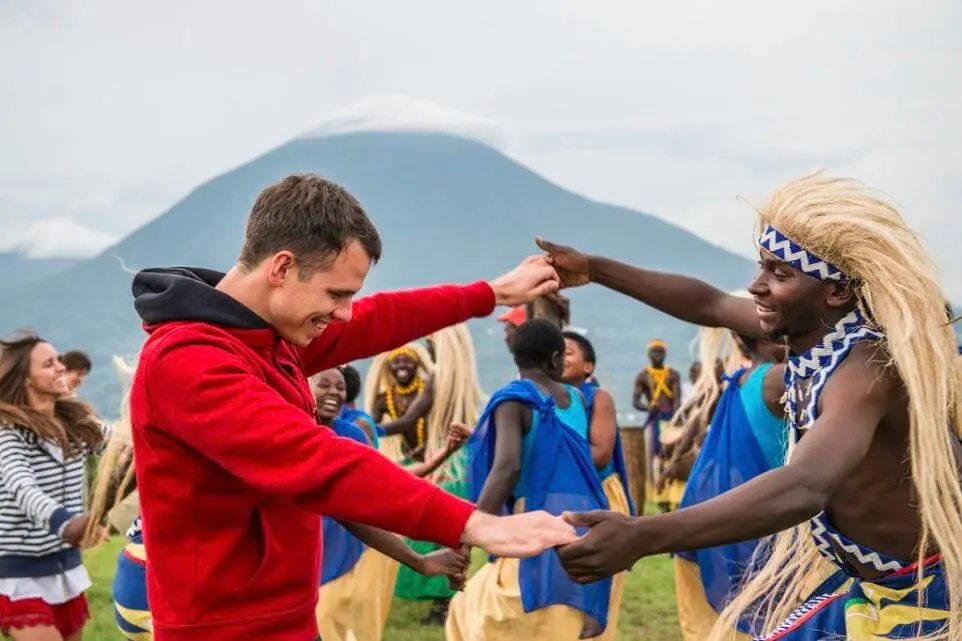 The Iby’Iwacu Cultural Village is Rwanda’s most famous cultural tourism project and a flagship example of successful community-based tourism in Africa. Located near Volcanoes National Park in Musanze, Iby’Iwacu was established to provide alternative livelihoods for former poachers by transforming them into cultural ambassadors. Today, it stands as a powerful symbol of conservation, reconciliation, and cultural pride.
A visit to Iby’Iwacu Cultural Village is a fully immersive experience that introduces travelers to Rwanda’s pre-colonial traditions and contemporary rural life. Guests are welcomed with traditional songs and dances before participating in hands-on activities such as learning how to grind sorghum, brew local banana beer, throw a traditional spear, or listen to elders share oral history and folklore. These experiences make Iby’Iwacu one of the most authentic Rwanda cultural village experiences available today.
In 2026, Iby’Iwacu Cultural Village tours are an essential complement to gorilla trekking in Rwanda, offering cultural context to the landscapes surrounding Volcanoes National Park. Travelers gain insight into how conservation and community livelihoods are deeply connected, making the experience both educational and inspiring.
Traditional Dance, Music & Storytelling in Rwanda
One of the most captivating aspects of community & cultural visits in Rwanda is the opportunity to witness and participate in traditional performance arts. Rwanda’s cultural identity is strongly expressed through music, dance, and storytelling, which have been passed down through generations. During cultural visits, travelers experience iconic Intore dances, royal drumming performances, and traditional chants that celebrate heroism, unity, and history.
These performances are not merely entertainment—they are living expressions of Rwanda’s values and social structure. Through storytelling, local performers share narratives of kingship, resilience, and community cooperation. For visitors interested in Rwanda heritage tourism and authentic cultural experiences in Africa, these moments create lasting emotional connections and deeper understanding of Rwandan society.
Authentic Village Visits in Rwanda – Life Beyond the Safari
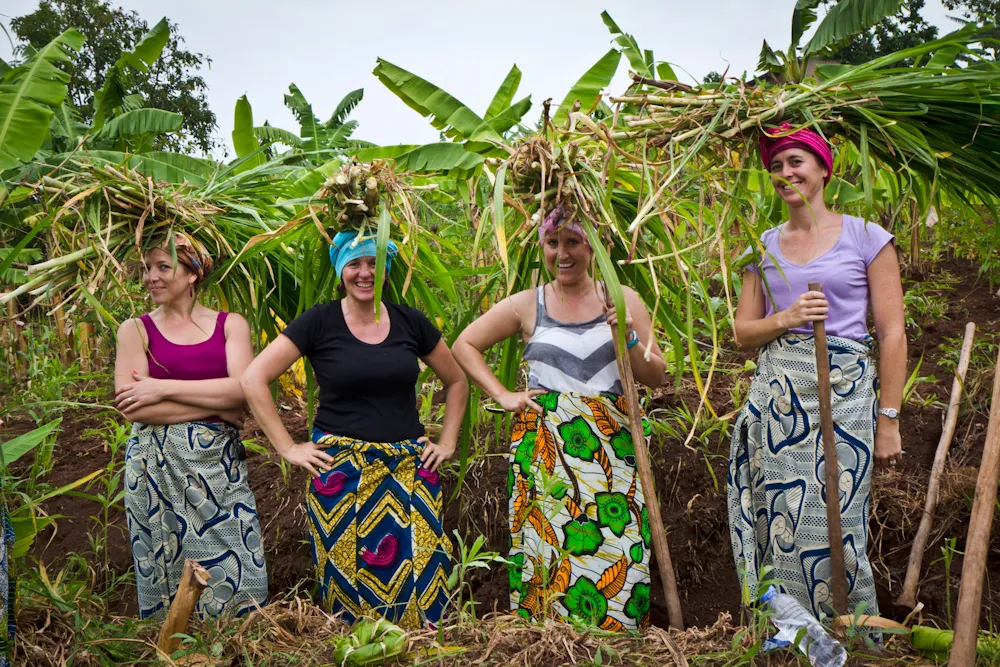
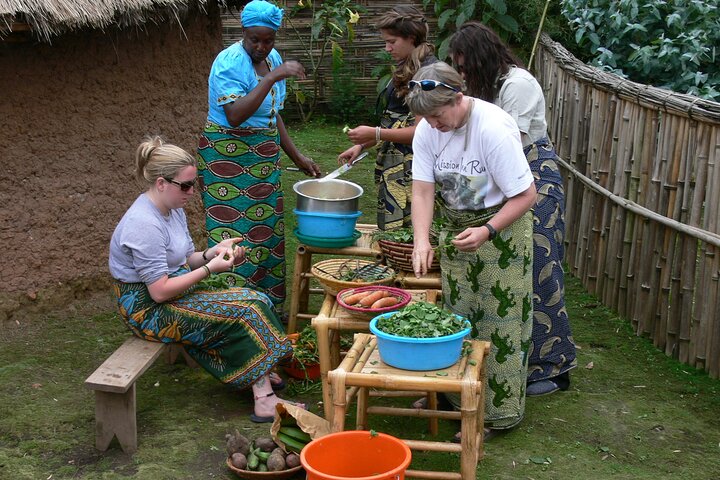
Beyond established cultural centers, village visits in Rwanda offer a raw and honest glimpse into everyday rural life. These experiences are carefully organized with community consent to ensure dignity, respect, and mutual benefit. Visitors may walk through banana plantations, visit local schools, observe farming techniques, or join families in preparing traditional meals.
Rwanda village tours are particularly popular among travelers seeking slow travel, cultural immersion, and meaningful interaction. These visits highlight Rwanda’s agricultural traditions, cooperative spirit, and strong sense of community. For many visitors, sharing simple moments—such as cooking together or learning local greetings—becomes one of the most memorable parts of their trip.
Community Tourism & Gorilla Trekking in Rwanda
One of the unique strengths of community & cultural visits in Rwanda is how seamlessly they integrate with wildlife experiences. Many cultural villages, including Iby’Iwacu, are located near volcanoes national parks, allowing travelers to combine gorilla trekking in Rwanda with cultural engagement on the same day or over multiple days.
This integration enhances the overall safari experience. Travelers not only see Rwanda’s wildlife but also understand the communities living alongside protected areas. This approach reinforces the importance of conservation and demonstrates how tourism revenue directly supports education, healthcare, and infrastructure development in local villages.
Community-Based Tourism & Sustainable Travel in Rwanda
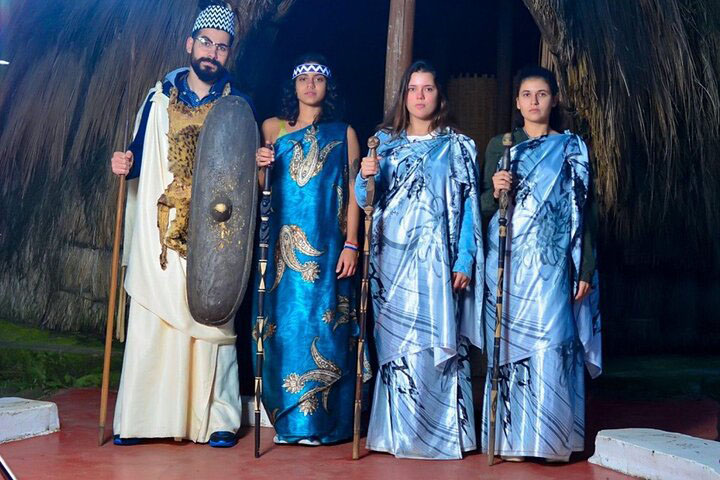 Rwanda is widely recognized as a leader in sustainable tourism in Africa, and community-based tourism plays a central role in this reputation. Community & cultural visits in Rwanda are designed to minimize environmental impact while maximizing social and economic benefits. Local guides, performers, artisans, and farmers are directly involved, ensuring income remains within the community.
This model aligns with global demand for responsible travel in Africa and appeals to travelers who want their journeys to have a positive impact. By choosing cultural visits, travelers actively support cultural preservation, poverty reduction, and wildlife conservation.
Cultural Tours in Kigali & Across Rwanda
 While rural villages offer deep cultural immersion, Kigali cultural tours also play an important role in Rwanda’s cultural landscape. In Kigali, visitors can explore art galleries, craft markets, historical sites, and community centers that showcase Rwanda’s modern creative identity. These experiences complement village visits and provide insight into how tradition and modernity coexist in Rwanda.
When combined, Kigali city cultural tours, Iby’Iwacu Cultural Village, and rural community visits create a well-rounded cultural itinerary that appeals to a wide range of travelers, from first-time visitors to seasoned Africa explorers.
Who Should Choose Community & Cultural Visits in Rwanda?
Community & cultural visits in Rwanda are ideal for:
- Travelers seeking authentic cultural immersion
- Families and educational groups
- Responsible and eco-conscious travelers
- Photographers and storytellers
- Visitors combining safaris with cultural experiences
- These experiences are suitable for all ages and fitness levels, making them accessible and inclusive additions to any Rwanda travel itinerary.
Conclusion: Why Community & Cultural Visits in Rwanda Are Essential
In an era where travelers seek meaning, connection, and authenticity, community & cultural visits in Rwanda stand out as some of the most enriching experiences in Africa. From the inspiring story of Iby’Iwacu Cultural Village to intimate rural village encounters, these experiences reveal the heart of Rwanda—its people, traditions, and resilience.
When combined with wildlife safaris, gorilla trekking, and scenic landscapes, cultural visits transform Rwanda travel into a complete journey of discovery. In 2026 and beyond, Rwanda cultural tourism continues to set a global example of how tourism can preserve heritage, empower communities, and create unforgettable memories for travelers who want more than just a holiday.

Related Posts



[…] The Iby’Iwacu Cultural Village near Volcanoes National Park offers interactive cultural experiences suitable for children of all ages. Families can enjoy traditional dances, drumming sessions, and storytelling. […]
[…] offers luxury hotels, fine dining restaurants, and cultural experiences. For example, visitors can explore art galleries, local markets, and historical […]