
Traveling from Kigali to gorilla trekking in Volcanoes National Park is one of the most…
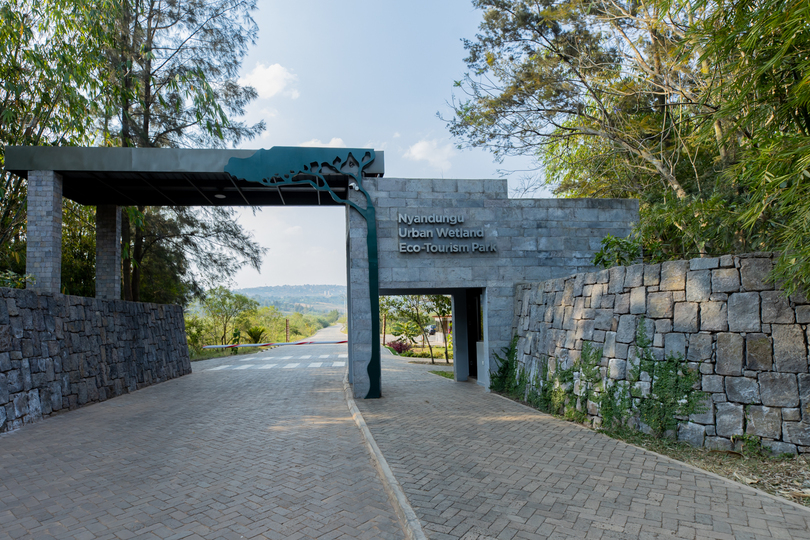
Eco-Tourism in Rwanda – How Your Visit Supports Conservation
Eco-tourism in Rwanda plays a key role in protecting nature and supporting local communities. Rwanda has become a global model for sustainable tourism. The country focuses on conservation, community involvement, and responsible travel.
Many travelers visit Rwanda to see mountain gorillas, wildlife, and forests. However, their visit also supports conservation efforts. Tourism revenue helps protect endangered species and fund national parks.
When you travel to Rwanda, you become part of a system that values nature and people. Every park fee, permit, and tour contributes to long-term sustainability.
What is Eco-Tourism in Rwanda?
Eco-tourism in Rwanda focuses on responsible travel. It protects the environment and benefits local communities. Visitors enjoy natural attractions while minimizing their impact.
Rwanda promotes low-impact tourism. The country limits visitor numbers in sensitive areas. For example, gorilla trekking permits are restricted each day. This protects the animals and their habitat.
Eco-tourism also supports education and conservation awareness. Visitors learn about wildlife, ecosystems, and local culture. This creates a deeper connection with the destination.
Gorilla Conservation and Eco-Tourism

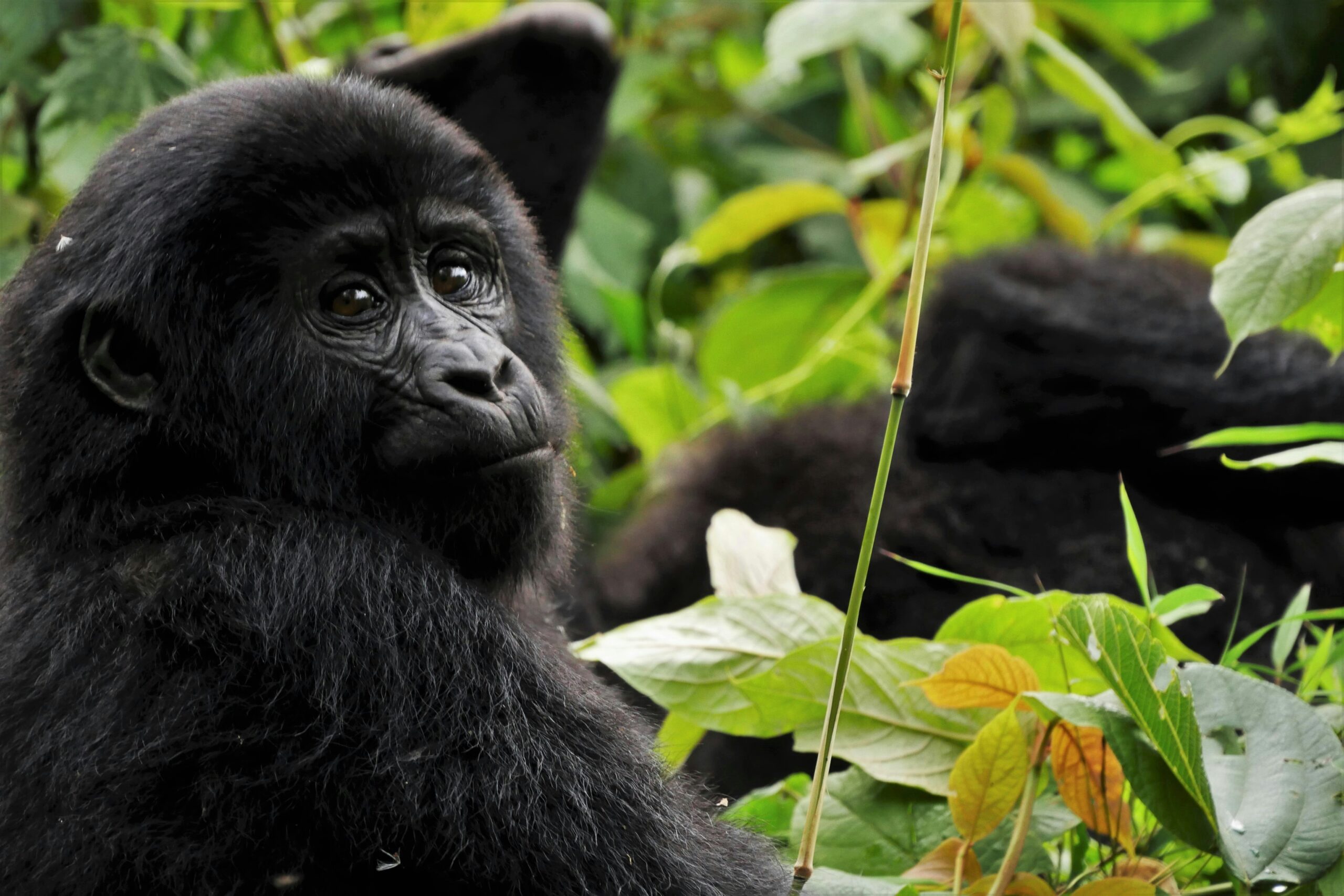
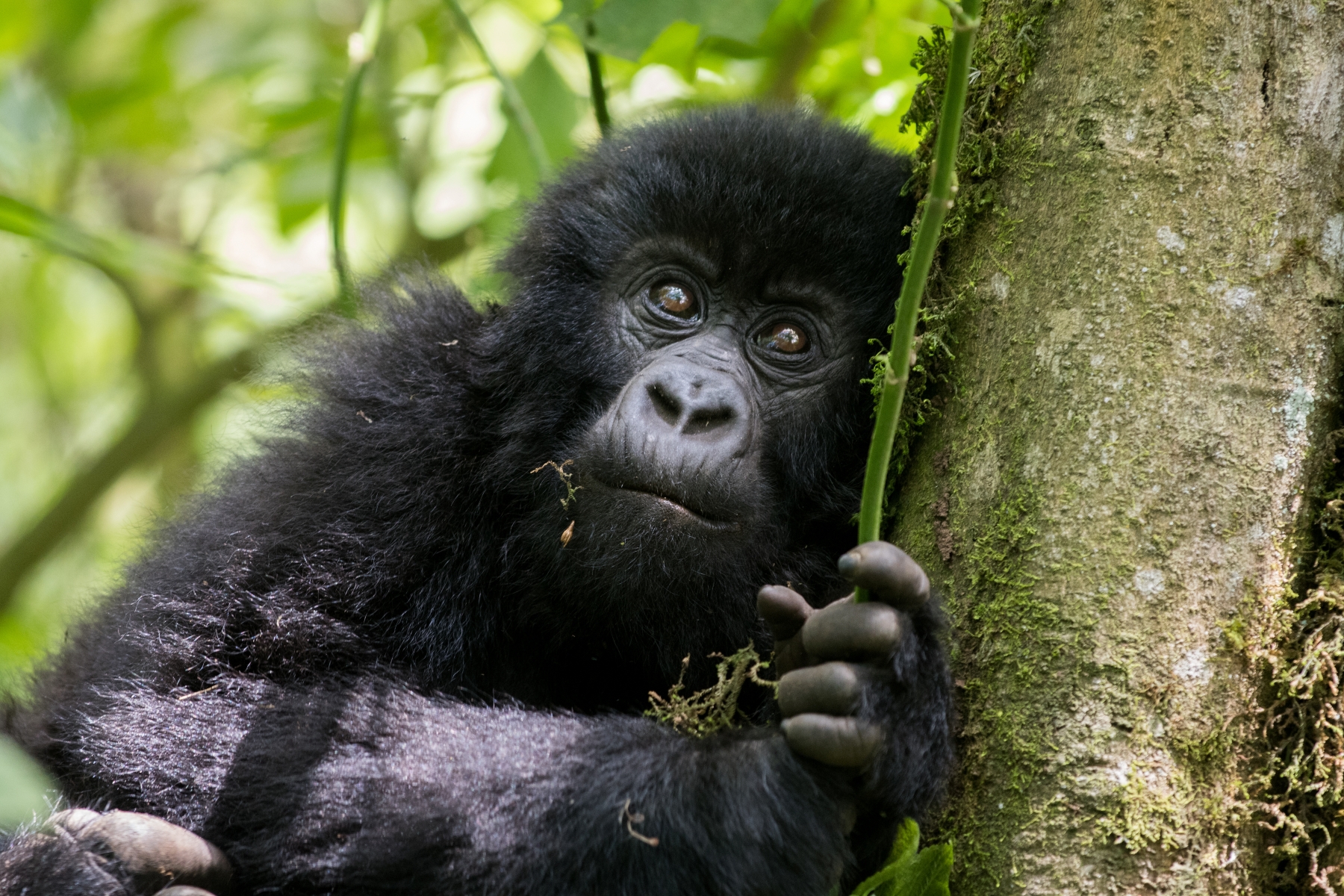
One of the best examples of eco-tourism in Rwanda is gorilla trekking in Volcanoes National Park. Rwanda protects endangered mountain gorillas through strict conservation policies.
Tourists pay for gorilla permits, and part of this revenue funds conservation programs. Rangers protect gorillas from threats such as poaching. Veterinary teams monitor their health.
Local communities also benefit from tourism income. This reduces pressure on forests and encourages people to protect wildlife instead of exploiting it.
As a result, mountain gorilla populations have increased. This shows how eco-tourism in Rwanda directly supports conservation success.
National Parks and Wildlife Protection
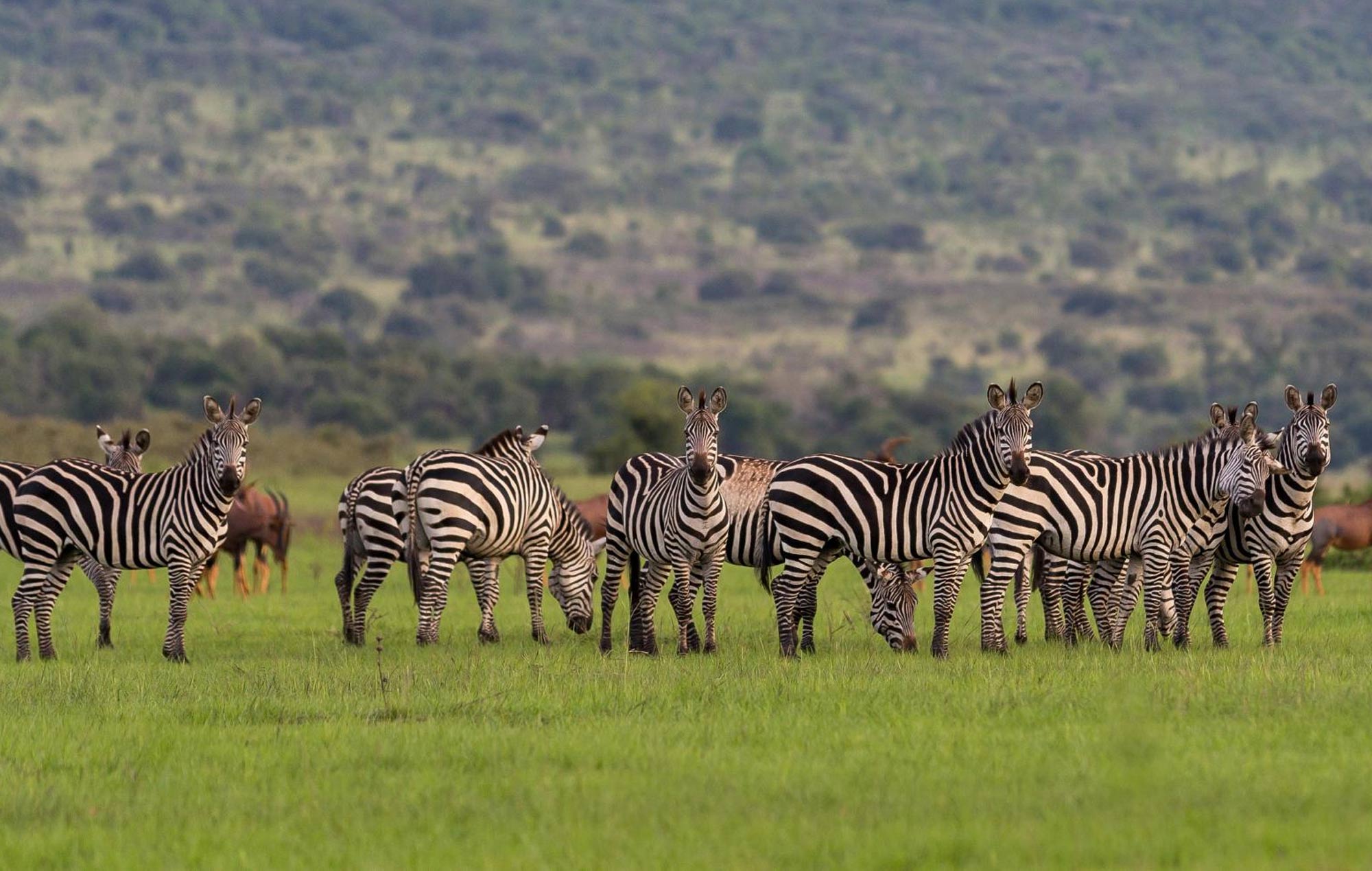
Rwanda’s national parks play a major role in eco-tourism. Each park focuses on protecting biodiversity and restoring ecosystems.
Akagera National Park has seen a major wildlife recovery. Lions and rhinos have been reintroduced, and poaching has decreased. Tourism revenue helps maintain park operations and security.
Nyungwe Forest National Park protects one of Africa’s oldest rainforests. It is home to chimpanzees and many bird species. Eco-tourism supports forest conservation and research.
These parks show how tourism and conservation work together. Visitors enjoy wildlife while helping protect it.
Community Involvement in Eco-Tourism
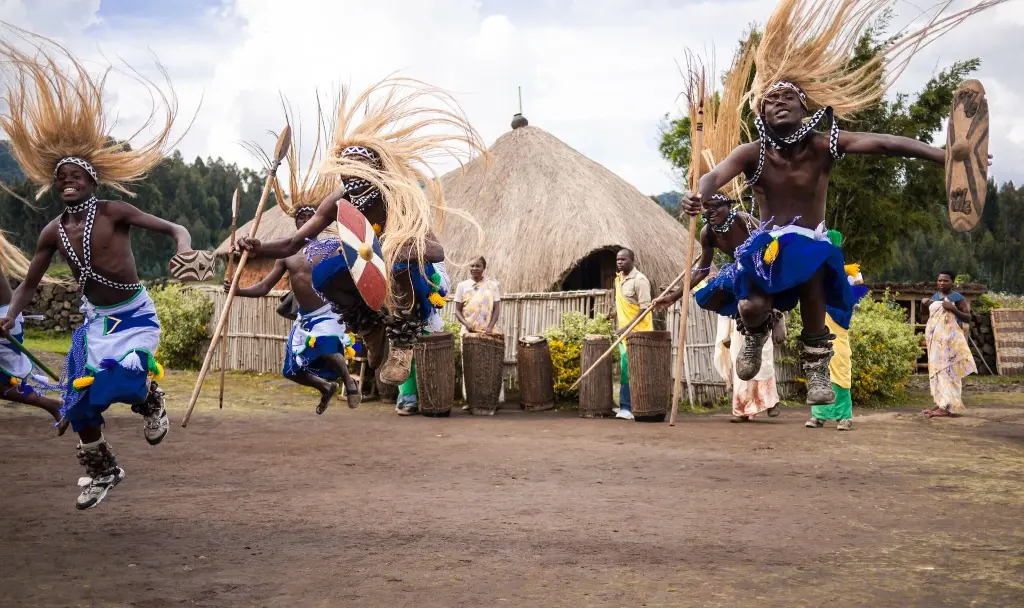
Eco-tourism in Rwanda benefits local communities. A portion of tourism revenue goes directly to community projects. These include schools, health centers, and infrastructure.
Programs like Iby’Iwacu Cultural Village show how communities benefit from tourism. Former poachers now work as guides and performers. This creates jobs and reduces illegal activities.
Visitors can take part in cultural experiences, village tours, and craft workshops. These activities support local income and preserve traditions.
Sustainable Lodges and Green Practices
Eco-tourism in Rwanda also includes environmentally friendly accommodation. Many lodges use solar energy, recycle waste, and conserve water.
Some lodges are built using local materials. They blend with the natural environment and reduce impact. Others support reforestation and wildlife protection programs.
Travelers who choose eco-lodges help reduce their environmental footprint. They also support businesses that prioritize sustainability.
How Your Visit Supports Conservation
Every traveler contributes to eco-tourism in Rwanda. Park fees, permits, and accommodation payments all support conservation.
Your visit helps fund:
- Wildlife protection and anti-poaching efforts
- Community development projects
- Environmental education programs
- Park maintenance and research
Even small actions make a difference. Choosing responsible tours and respecting guidelines helps protect Rwanda’s natural heritage.
Responsible Travel Tips
Travelers can support eco-tourism by making simple choices. Respect wildlife and keep a safe distance. Follow park rules and listen to guides.
Avoid littering and reduce plastic use. Support local businesses and buy handmade products. Choose eco-friendly accommodation when possible.
Respect local culture and traditions. Engage with communities in a positive and respectful way.
Why Eco-Tourism in Rwanda Matters
Eco-tourism in Rwanda creates a balance between tourism and conservation. It protects wildlife while supporting people.
This approach ensures that future generations can enjoy Rwanda’s natural beauty. It also positions Rwanda as a leader in sustainable tourism.
Why Travel with Universal Ventures Rwanda?
Universal Ventures Rwanda promotes eco-tourism in Rwanda through responsible travel services. The company works with local communities and conservation partners.
They design tours that respect nature and support local development. This ensures that your trip has a positive impact.
Conclusion
Eco-tourism in Rwanda allows you to travel with purpose. You enjoy wildlife, landscapes, and culture while supporting conservation.
From gorilla trekking in Volcanoes National Park to wildlife safaris in Akagera National Park, every experience contributes to sustainability.
Your visit helps protect nature, support communities, and create a better future for Rwanda.
Contact Us
Universal Ventures Rwanda
📧 Email: info@universalventuresrwanda.com
📞 Phone/WhatsApp: +250 781441853
📍 Location: Kigali, Rwanda

Related Posts

Comments (0)