
Traveling from Kigali to gorilla trekking in Volcanoes National Park is one of the most…
Gorilla Safari Travel Tips for International Tourists
These Gorilla Safari Travel Tips for International Tourists explain every important stage, from choosing between Rwanda and Uganda to returning from the forest safely and responsibly.
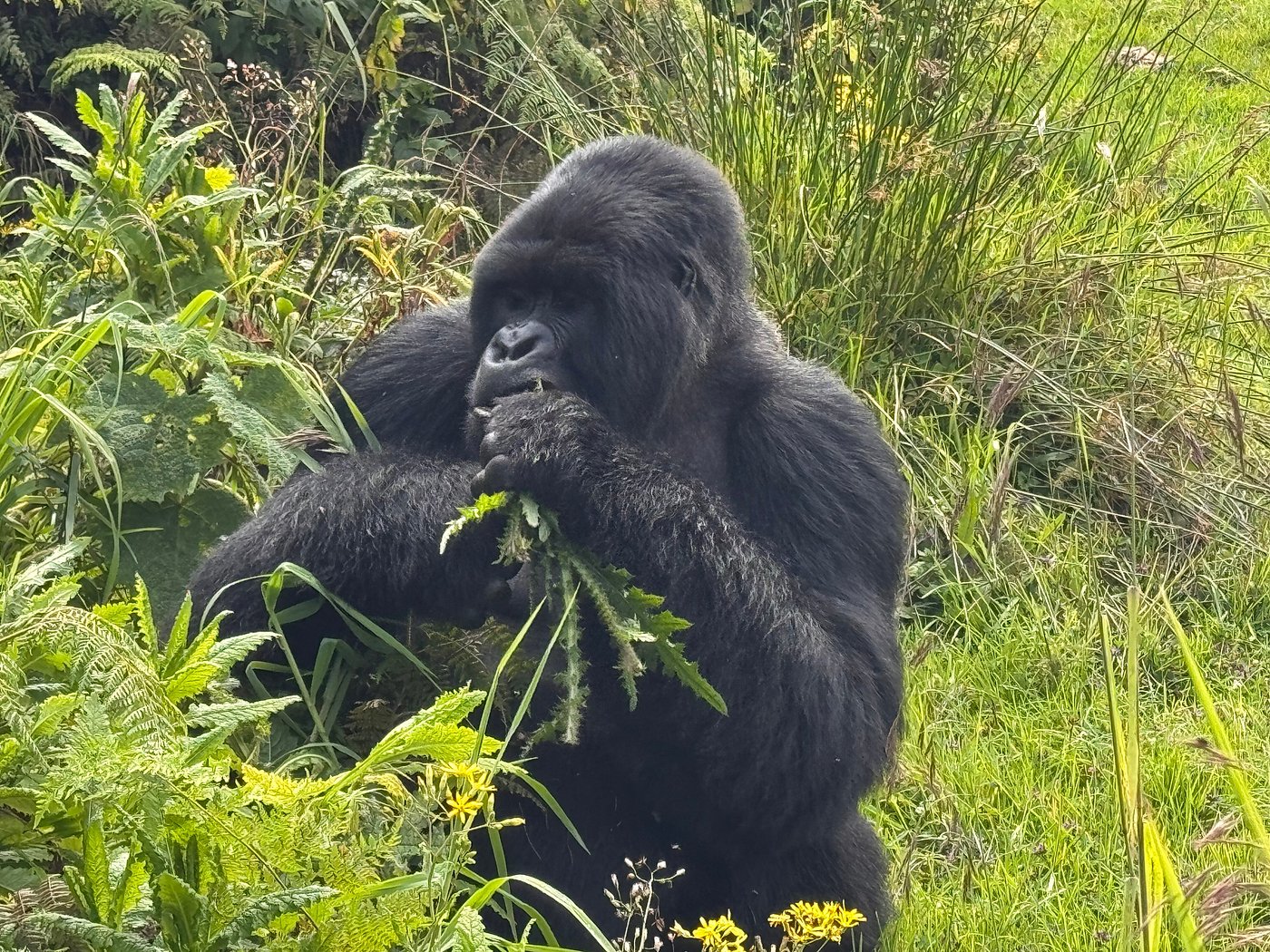
A gorilla safari ranks among the most moving wildlife experiences available in Africa. Instead of watching animals from a safari vehicle, visitors walk through a mountain rainforest with expert trackers and rangers to find a habituated gorilla family living freely in its natural habitat.
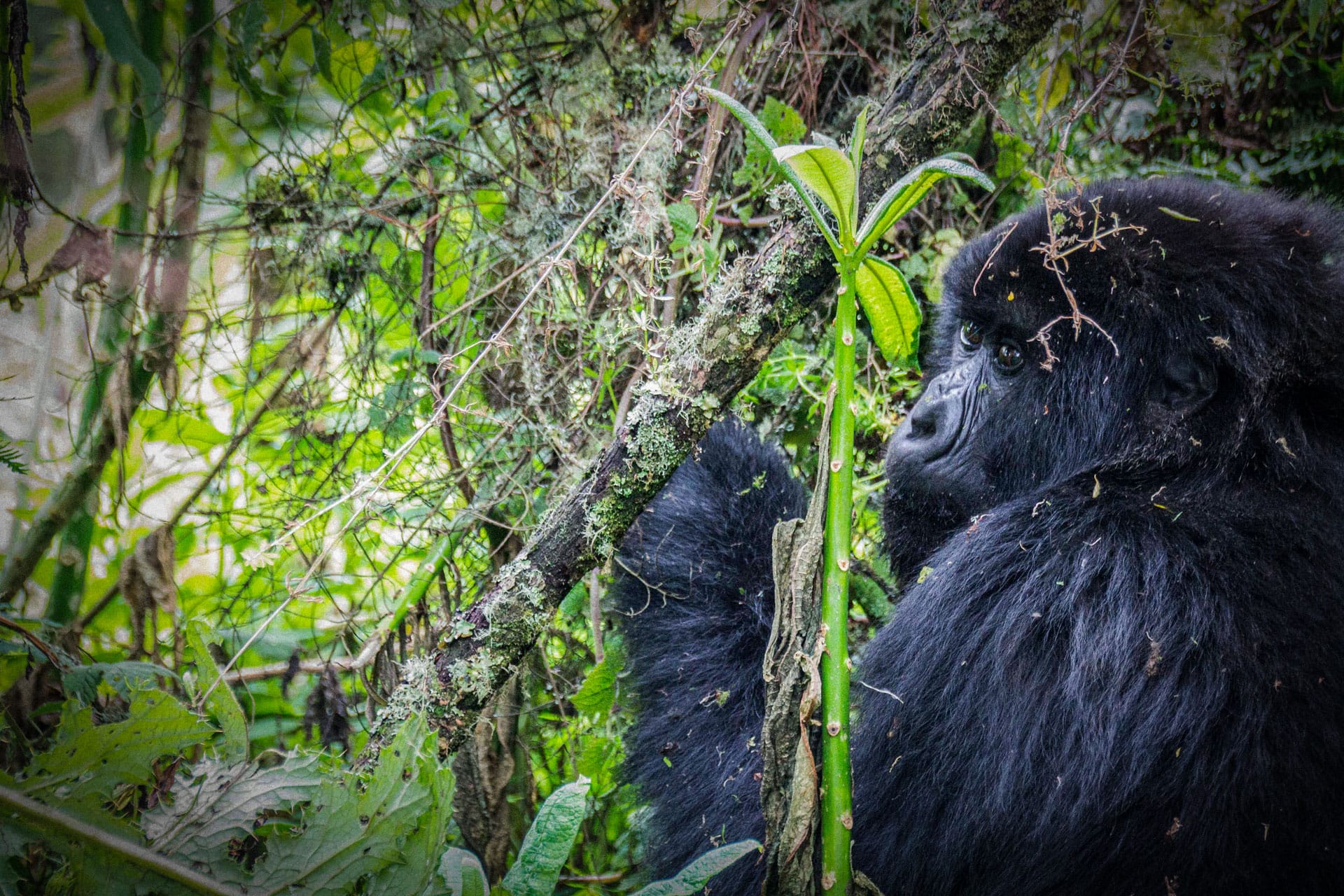
The journey feels exciting long before the gorillas appear. Forest trails climb through bamboo, vines, giant herbs and dense vegetation. Birds call from the canopy, trackers examine signs left by the gorillas, and every bend in the trail creates anticipation.
Once the family is located, the encounter becomes deeply personal. A silverback may sit quietly among the vegetation while mothers care for infants and young gorillas play nearby. Their gestures, social relationships and expressions often feel surprisingly familiar.
However, a successful trip requires careful preparation. International visitors must secure a date-specific permit, choose an appropriate destination, understand visa and health requirements, pack for mountain conditions and prepare for an unpredictable trek.
Where Can International Tourists See Mountain Gorillas?
Wild mountain gorillas live in a limited region of East and Central Africa. Organized tourism encounters primarily take place in Rwanda and Uganda, with the Democratic Republic of Congo historically offering additional opportunities when security and park operations permit.
Gorilla Trekking in Rwanda
Rwanda offers gorilla trekking in Volcanoes National Park, located in the northwestern part of the country. The park forms part of the Virunga mountain ecosystem and lies near the town of Musanze.
Volcanoes National Park is approximately two to two and a half hours from Kigali. This accessibility allows travelers to combine gorilla trekking with a short Rwanda itinerary, although staying near the park before the trek remains strongly recommended.
Rwanda suits visitors who value efficient transfers, well-developed tourism services and the possibility of combining gorillas with Akagera National Park, Nyungwe National Park, Lake Kivu and Kigali.
Gorilla Trekking in Uganda
Uganda offers mountain gorilla trekking in Bwindi Impenetrable National Park and Mgahinga Gorilla National Park.
Bwindi contains several trekking sectors, including Buhoma, Ruhija, Rushaga and Nkuringo. Travelers must book accommodation and transportation near the sector assigned to their permit. Staying in the wrong sector can create an impractical early-morning transfer.
Mgahinga lies in southwestern Uganda near the borders with Rwanda and the Democratic Republic of Congo. It forms part of the Virunga ecosystem and also offers golden monkey tracking.
Uganda can suit visitors building a longer wildlife circuit through Queen Elizabeth, Kibale, Murchison Falls or Lake Mburo national parks.
Gorilla Trekking in the Democratic Republic of Congo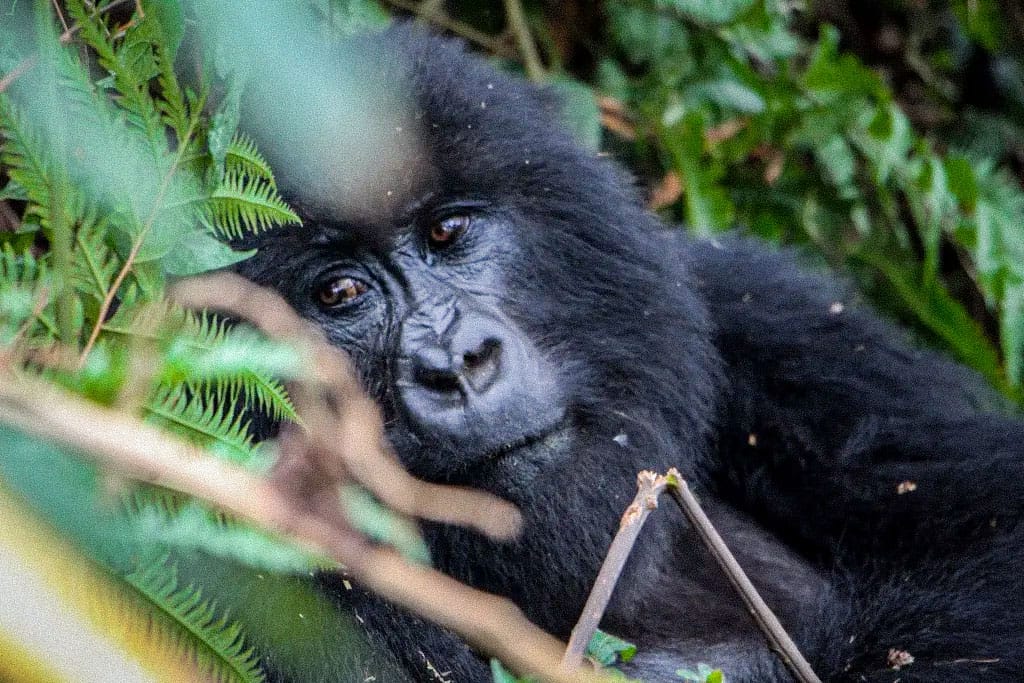
The Democratic Republic of Congo has important gorilla habitats. However, regional security and park operations can change rapidly.
International travelers should never assume that a previous itinerary remains available. Check official government travel advisories, park notices and guidance from established operators before considering travel.
Rwanda and Uganda generally provide the most predictable gorilla safari options for international visitors.
Rwanda or Uganda: Which Destination Should You Choose?
Neither country provides a universally better experience. Both protect wild mountain gorillas, use trained rangers and regulate the number of daily visitors.
Rwanda’s main advantage is accessibility. Kigali International Airport lies relatively close to Volcanoes National Park, making a short two- or three-day gorilla safari possible.
Uganda’s trekking regions usually require longer road transfers from Entebbe or Kampala, although scheduled domestic flights can reduce travel time. Uganda also offers several trekking sectors and longer wildlife circuits.
Price creates another difference. The standard Rwanda gorilla permit costs USD 1,500 per person. Uganda’s standard foreign nonresident permit has generally cost USD 800, although tariff periods and future seasonal rates should always be verified before booking.
Rwanda often appeals to travelers seeking a short, premium or highly efficient itinerary. Uganda may suit visitors looking for a longer journey, a lower standard permit price or a broader national park circuit.
The actual gorilla encounter remains natural and unpredictable in both countries. No destination can guarantee that gorillas will sit in open light or remain in one location.
Reserve the Gorilla Permit Before Finalizing the Trip
The most important of all Gorilla Safari Travel Tips for International Tourists is to check permit availability before confirming nonrefundable flights and accommodation.
A gorilla permit authorizes one eligible visitor to trek on a particular date. It cannot simply be used on another day because a flight changes or a traveler arrives late.
Rwanda Gorilla Permit Price
The official Rwanda Development Board booking portal currently lists the standard permit for a foreign visitor at USD 1,500. It also confirms a minimum trekking age of 15. Rwanda Development Board’s official booking portal provides the current official permit information.
Special categories or promotional rates may apply to eligible residents, citizens or other groups. Travelers should never assume they qualify for a discounted rate without submitting the required documentation.
Uganda Gorilla Permit Price
Uganda’s permit costs depend on visitor category and the applicable tourism tariff. International visitors should confirm the current rate directly with the Uganda Wildlife Authority or a licensed tour operator before payment.
Uganda also offers a gorilla habituation experience in selected circumstances. This activity differs from the standard one-hour visit and costs more. Availability remains extremely limited.
Information Needed to Reserve a Permit
A tour operator normally requests:
- Full name as shown on the passport
- Passport number
- Nationality
- Date of birth
- Preferred trekking date
- Clear passport copy
- Required permit payment
Send passport information only through the operator’s established and secure communication method. Confirm the company identity and payment instructions before transferring money.
How Early Should You Book?
For June through September, December holidays, Christmas, New Year and Easter periods, reserve several months in advance.
Travelers with fixed dates should book as early as possible. Those with flexible schedules may have more success finding short-notice availability.
After permit confirmation, arrange accommodation near the correct briefing point and then finalize the remaining tour.
Check Passport and Visa Requirements
Visa and immigration rules can change, so international visitors should verify them through official government sources shortly before departure.
Passport Validity
A passport should generally remain valid for at least six months beyond entry and contain enough blank pages for immigration stamps or visas.
Check that the name on the gorilla permit matches the passport. Differences involving spelling, surname order or passport numbers can cause administrative complications.
If you renew your passport after booking, notify the tour operator immediately and carry documentation connecting the old and new details if advised.
Rwanda Visa Information
Rwanda permits nationals of all countries to obtain a visa on arrival without submitting an advance application. Some nationalities receive a fee waiver under specific arrangements, while others may need to pay the applicable visa charge. Rwanda’s immigration authority confirms that visas on arrival are available at Kigali International Airport and land borders. Rwanda Directorate General of Immigration and Emigration provides current official information.
Visa type, permitted stay and fees vary according to citizenship and travel purpose. Confirm your exact eligibility rather than relying on a travel blog.
East Africa Tourist Visa
Travelers combining Rwanda, Uganda and Kenya may benefit from an East Africa Tourist Visa when eligible. The application procedure depends on the country through which the traveler first enters the participating region.
Confirm current conditions before applying. The visa does not automatically cover every East African country, and leaving the participating area may affect its validity.
Uganda Visa Information
Most international visitors requiring a Uganda visa should follow Uganda’s current official electronic application process before traveling.
Do not rely on an airline employee, old blog or unofficial visa agency as your only source. Check the official immigration portal, processing times and required documents.
Land-Border Travel
A Rwanda–Uganda itinerary may involve crossing a land border. Carry your passport, visa documentation, yellow fever certificate when applicable and tour confirmation where requested.
Allow enough time for immigration procedures. Do not photograph border installations or officials without permission.
Consult a Travel-Health Professional
Health requirements differ according to nationality, previous destinations, medical history and the route taken before arriving in East Africa.
Arrange a travel-health consultation several weeks before departure. A qualified professional can evaluate routine vaccinations, destination-specific vaccines, malaria prevention and personal medication.
This article provides general planning information, not individual medical advice.
Yellow Fever Requirements
Yellow fever rules depend partly on where the traveler arrives from and where they have transited.
The CDC currently states that yellow fever vaccination is generally not recommended solely for travel to Rwanda. However, an entry certificate may be required when arriving from a country with a risk of yellow fever transmission. Transit history can also matter. CDC Rwanda traveler guidance provides current health and entry information.
Travelers continuing to Uganda or another African destination may face different requirements. Carry the original International Certificate of Vaccination when the itinerary requires it.
Check requirements for every country in the complete journey, including long airport transits.
Malaria Prevention
Malaria risk varies by location and altitude. Gorilla areas can feel cool, but that does not remove the need for professional medical advice regarding the wider itinerary.
A clinician may recommend prescription malaria prevention based on the route and personal health. Some medicines must begin before arrival and continue after departure.
Reduce mosquito bites by using repellent, wearing long sleeves in the evening and sleeping under appropriate protection where provided.
Routine Vaccinations
Ensure routine vaccinations are current. A travel-health professional may discuss hepatitis, typhoid, tetanus, measles and other considerations according to the destination and travel style.
Bring a personal vaccination record and keep digital copies accessible.
Personal Medication
Carry enough medication for the entire journey, plus a reasonable reserve for delays. Keep essential medicines in hand luggage rather than checked baggage.
Use original packaging and carry a prescription or doctor’s letter when appropriate. Confirm whether any medication faces local import restrictions.
A small first-aid kit may include blister care, pain relief, antihistamine, oral rehydration products and personal treatments approved by your clinician.
Do Not Trek If You Are Sick
Mountain gorillas can become vulnerable to human respiratory diseases. Their protection depends on honest behavior from visitors.
If you develop influenza-like symptoms, fever, a persistent cough, vomiting, diarrhea or another contagious condition, inform the operator or park authorities immediately.
Officials may prevent an ill visitor from trekking. Although losing a long-awaited experience would be deeply disappointing, protecting the gorillas must take priority.
Never hide symptoms because of the permit’s cost. Disease transmission could affect an entire gorilla family and undermine years of conservation work.
During the encounter, follow current mask requirements and ranger instructions. Turn away from the gorillas if you need to cough or sneeze, and cover your mouth appropriately.
Avoid touching animals, vegetation they are feeding on or anything the ranger instructs you to avoid.
Purchase Comprehensive Travel Insurance
A gorilla safari represents a significant financial commitment. Permits, lodges and private transportation may have strict cancellation conditions.
Purchase travel insurance immediately after paying the first nonrefundable amount. The policy should match the destination and planned activities.
Check coverage for:
- Trip cancellation
- Trip interruption
- Medical treatment
- Emergency evacuation
- Flight delays
- Delayed or lost baggage
- Missed connections
- Adventure activities
- Pre-existing medical conditions
- Nonrefundable permits
Do not assume a standard policy automatically covers trekking at the relevant elevation. Read the altitude and activity exclusions carefully.
“Cancel for any reason” coverage may provide broader protection, but eligibility rules, purchasing deadlines and reimbursement percentages vary.
Keep the insurer’s emergency telephone number, policy number and procedure for authorization accessible offline.
Improve Your Fitness Before the Gorilla Safari
Trekking difficulty varies from day to day. Gorillas move freely, so nobody knows the exact walking distance in advance.
Some groups locate their assigned family after a relatively manageable trek. Others climb for several hours through mud, roots, vines and steep vegetation.
Begin preparing several weeks before travel. Regular walking builds endurance, while hills and stairs strengthen the legs.
Useful preparation may include:
- Brisk walks several times per week
- Hill or stair climbing
- Moderate hiking
- Balance exercises
- Lower-body strengthening
- Walking while carrying a small backpack
Travelers with heart, respiratory, joint or mobility concerns should consult a medical professional before booking.
Fitness improves comfort, but it does not require competitive athletic ability. A steady pace, good footwear, a porter and communication with the ranger can make a major difference.
Hire a Porter
Hiring a porter is one of the most practical Gorilla Safari Travel Tips for International Tourists.
A porter carries the daypack, water, camera equipment and packed lunch. More importantly, porters can offer a steady hand on slippery slopes and difficult steps.
Even visitors who feel strong at the trailhead may appreciate the help later. Rain, elevation and the unpredictable trekking duration can turn a light backpack into a burden.
Porter employment also provides direct income to people living near the national park. Some porters may have personal or family histories connected to former forest use, so tourism employment can strengthen conservation support.
Arrange cash for the porter fee and an optional tip. Ask your operator for current local guidance rather than depending on outdated online amounts.
What to Wear for Gorilla Trekking
Proper clothing protects against rain, mud, insects, nettles and rough vegetation.
Waterproof Hiking Boots
Choose waterproof boots with strong grip and ankle support. Break them in before traveling to prevent blisters.
Light sports shoes may become slippery and offer little protection against mud or roots. Brand-new boots can also cause discomfort if worn for the first time on trekking day.
Pack the boots in hand luggage when possible. Replacing properly fitted footwear after delayed baggage can be difficult.
Long Trousers
Wear durable, comfortable trousers and tuck them into long socks or gaiters. This arrangement helps protect the ankles from insects and vegetation.
Avoid jeans. They become heavy, cold and uncomfortable when wet.
Long-Sleeved Shirt
A lightweight long-sleeved shirt protects the arms from nettles, branches, insects and sun exposure outside the forest.
Neutral green, brown, grey or khaki colors work well. Bright clothing does not necessarily prevent trekking, but neutral tones feel more appropriate for wildlife activities.
Rain Jacket
Volcanoes and rainforest create changing weather throughout the year. Carry a lightweight waterproof jacket even during the dry season.
A poncho offers coverage but can catch on vegetation and create noise. A fitted rain shell normally works better.
Gardening Gloves
Strong gardening gloves protect the hands when visitors hold branches or vegetation for balance.
Choose gloves that provide grip without becoming too bulky. Keep them accessible rather than buried at the bottom of the bag.
Gaiters and Long Socks
Gaiters keep mud, water and insects away from the lower legs. If gaiters are unavailable, long socks can provide basic protection when trousers are tucked inside them.
Hat and Light Layer
A hat protects against rain and sun before entering dense forest. Early mornings in the highlands can feel cool, so carry a light fleece or warm layer.
Dress in removable layers because climbing generates heat.
Essential Gorilla Trekking Packing List
International travelers should pack practically without carrying unnecessary weight.
Important items include:
- Passport
- Gorilla permit confirmation
- Waterproof hiking boots
- Long trousers
- Long-sleeved shirt
- Rain jacket
- Gardening gloves
- Long socks or gaiters
- Small daypack
- Refillable water bottle
- Packed lunch or snacks
- Sunscreen
- Insect repellent
- Personal medication
- Camera and spare battery
- Waterproof equipment protection
- Binoculars
- Small amount of local cash
Use a waterproof pouch or dry bag for travel documents, money and electronics.
Avoid packing disposable plastic bags without first checking local environmental restrictions. Rwanda maintains strict controls on certain plastic products.
Protect Essential Items from Delayed Baggage
International baggage delays can affect carefully planned safaris. Gorilla trekking cannot always move to another date while a traveler waits for a suitcase.
Carry essential trekking equipment in hand luggage:
- Hiking boots
- One trekking outfit
- Rain jacket
- Medication
- Gloves
- Camera
- Chargers
- Passport
- Insurance documents
Most clothing can be replaced in Kigali or a regional town, but well-fitted hiking boots are more difficult to replace quickly.
Attach contact information to checked baggage and keep a photograph of the suitcase. An electronic luggage tracker can also help, subject to airline rules.
Understand Gorilla Trekking Rules
Trekking regulations protect visitors, gorillas and the forest.
The standard encounter normally limits visits to one hour with the assigned gorilla family. Rwanda’s published guidelines commonly limit a group to eight visitors and require participants to be at least 15 years old. Volcanoes National Park trekking guidelines explain the visitor limits and encounter time.
Rangers provide the final rules during the morning briefing. Their current instructions always take precedence over information from a blog.
Common regulations include:
- Keep the required distance
- Remain quiet
- Follow ranger instructions
- Do not touch gorillas
- Do not use flash photography
- Do not eat or drink near gorillas
- Do not smoke
- Do not litter
- Do not imitate aggressive behavior
- Turn away if coughing or sneezing
- Stay with the assigned group
If a gorilla approaches, remain calm. Do not reach toward it or step away suddenly unless the ranger directs you.
Arrive at the Briefing Point on Time
Gorilla trekking begins early. Visitors normally report to the designated park headquarters or briefing area in the morning.
Stay near the correct trekking destination on the previous night. Driving from Kigali to Volcanoes National Park on the same morning creates unnecessary risk from traffic, weather or vehicle problems.
In Uganda, confirm the trekking sector carefully. Bwindi’s sectors are separated by difficult terrain and long road journeys. A permit for Rushaga cannot be treated as if it were a permit for Buhoma.
Prepare clothes, passport, permit documents and camera equipment the night before. Eat breakfast and leave the lodge according to the guide’s recommended time.
A late arrival may result in missing the briefing and trek without a refund.
What to Expect on Trekking Day
The day begins with registration and a ranger briefing. Groups are then assigned to gorilla families.
After the briefing, the group travels to the relevant trailhead. Porters can be hired before entering the forest.
The first section may pass through farmland or community areas. Once inside the park, rangers follow trails and may cut through dense vegetation where necessary.
Trackers enter the forest earlier and communicate the gorillas’ position to the ranger. Even so, the family may continue moving.
When the gorillas are located, visitors leave unnecessary belongings with porters at a safe location and approach under ranger supervision.
The one-hour encounter begins according to the ranger’s assessment. Afterward, the group walks back to the trailhead and meets the driver-guide.
Some travelers return before lunch. Others may not finish until the afternoon. Avoid booking a fixed flight or long, inflexible transfer immediately after the trek.
Gorilla Photography Tips
Forest photography requires preparation because light can be low and gorillas may move between vegetation.
Turn Off the Flash
Flash photography is prohibited. Disable automatic flash before approaching the gorillas.
Check the setting again after changing camera modes.
Use a Suitable Lens
A medium telephoto or versatile zoom lens works well in many encounters. Extremely long lenses can become difficult when gorillas appear nearby or vegetation limits the field of view.
A second camera body can reduce lens changes in wet or dusty conditions.
Increase ISO When Necessary
A higher ISO allows a faster shutter speed in low light. A sharp photograph with moderate digital noise is usually better than a blurred image.
Watch the Background
Forest scenes can become visually crowded. Look for clean angles, eye contact and behavior rather than photographing continuously.
Protect the Camera
Carry a rain cover or waterproof bag. Moisture can arrive suddenly even when the morning begins with clear weather.
Experience the Moment
The encounter lasts only a limited time. Take photographs, but lower the camera periodically and observe the gorillas directly.
Choose the Best Time for Gorilla Trekking
Gorilla trekking operates throughout the year. The best period depends on weather preferences, availability and the wider safari itinerary.
June to September
The long dry season is popular because trails may contain less mud. However, rain can occur at any time in the mountains.
Demand for permits and accommodation increases, so early booking remains essential.
December to February
The shorter dry season also offers favorable travel conditions. Holiday dates can sell out well in advance.
March to May
The long rainy season creates muddy trails and may increase trekking difficulty. Nevertheless, the forest becomes lush and atmospheric, while visitor numbers may be lower.
Rain should not be viewed as a complete disadvantage. Gorillas may remain within productive vegetation zones, and soft light can support photography.
October and November
The shorter rains bring green landscapes and variable trail conditions. Travelers with suitable clothing can still enjoy an excellent experience.
No month guarantees an easy trek, clear weather or open photographic conditions.
Allow Enough Time in the Itinerary
A rushed safari increases the risk of missed activities and exhaustion.
For Rwanda, a minimum practical itinerary normally includes arrival, transfer to Volcanoes National Park, a dedicated trekking day and return to Kigali. Three days feel more comfortable than attempting an immediate round trip.
Travelers combining Akagera should allow at least four or five days. A six-day journey can include golden monkeys, a Lake Ihema boat safari and a full Akagera game drive.
Uganda generally requires more transfer time unless domestic flights are included. Bwindi can combine naturally with Queen Elizabeth National Park, Lake Bunyonyi or Kibale.
Avoid scheduling an international departure too soon after the trek. Forest delays, road conditions and tiredness can affect the day.
Choose Accommodation by Location, Not Only Price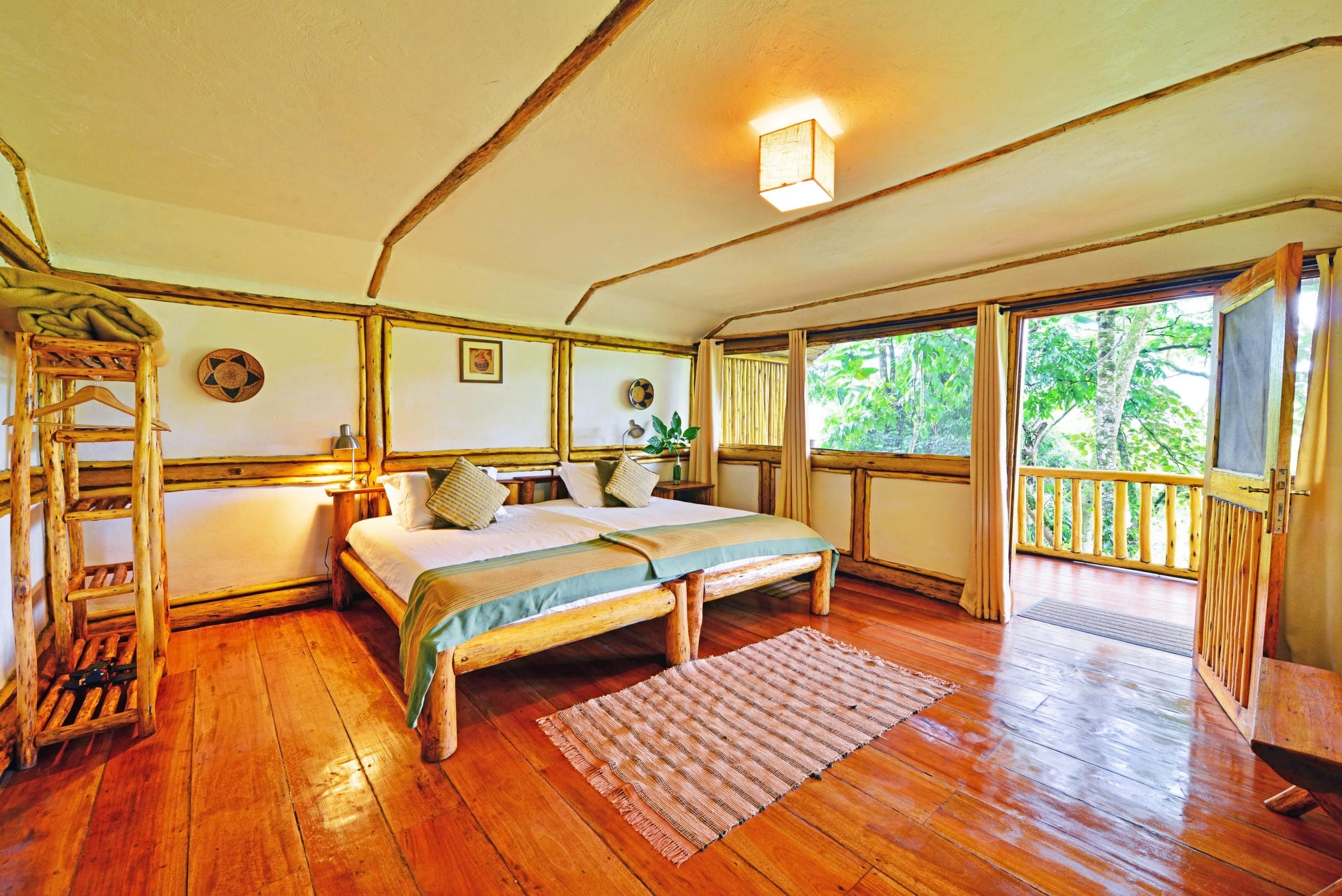
A cheaper lodge may become poor value if it requires a long early-morning drive to the briefing point.
Near Volcanoes National Park, confirm the transfer time to the Kinigi headquarters or relevant trail preparations.
In Bwindi, verify the exact sector. Buhoma, Ruhija, Rushaga and Nkuringo are not interchangeable.
Ask whether the lodge provides:
- Early breakfast
- Packed lunch
- Hot water
- Laundry or boot cleaning
- Trekking equipment assistance
- Porter arrangements
- Reliable vehicle access
- Dietary accommodations
Luxury is optional, but a suitable location and reliable service are essential.
Book a Suitable Safari Vehicle
The vehicle should match the route, road conditions and group size.
A well-maintained 4×4 provides comfort and reliability on mountain and national park roads. Travelers combining gorilla trekking with Akagera, Queen Elizabeth or another wildlife park benefit from a pop-up roof or suitable game-viewing arrangement.
Ask how much luggage the vehicle can hold and whether each traveler has a comfortable seat.
The quotation should clearly state whether fuel, driver-guide expenses, airport transfers and cross-border charges are included.
Money and Payment Tips
Rwanda uses the Rwandan franc, while Uganda uses the Ugandan shilling. US dollars are widely used for many tourism quotations and selected payments.
Carry a combination of payment methods. Cards work at many established hotels and businesses, but small cash payments remain useful for porters, tips, markets and rural purchases.
US dollar notes should be clean, undamaged and relatively recent because older or marked bills may be rejected or exchanged at a lower rate.
Notify your bank about international travel and carry a backup card separately.
Avoid carrying large amounts of cash unnecessarily. Use hotel safes where appropriate and follow the operator’s payment instructions carefully.
Before transferring safari funds, verify the company’s banking details through an established communication channel. Be cautious if payment information changes suddenly by email.
Tipping on a Gorilla Safari
Tipping remains discretionary but is customary for good service.
Potential recipients include:
- Driver-guide
- Gorilla trekking ranger team
- Porter
- Lodge staff
- Boat or activity guides
Ask the tour operator for current guidance because amounts vary according to destination, group size and service duration.
Carry small cash denominations and use local currency or accepted foreign currency according to local advice.
Tipping should reflect service quality and personal comfort. It should not replace fair wages or become the reason for unsafe wildlife proximity.
Stay Connected
International visitors can purchase a local SIM card or use an eligible eSIM. Coverage is generally strongest in cities and towns but may weaken in mountain and forest areas.
Download essential information before leaving Kigali or Entebbe:
- Offline maps
- Hotel addresses
- Operator contacts
- Permit confirmation
- Insurance documents
- Flight details
- Passport copy
Carry a power bank and suitable plug adapters. Rwanda commonly uses European-style two-round-pin plugs, while Uganda uses British-style three-pin plugs. Confirm the voltage requirements of your devices.
Inform relatives about the itinerary, but explain that mobile service may disappear during the trek.
Food and Drinking Water
Drink sealed, treated or otherwise verified safe water. Organized safari packages commonly provide bottled drinking water during transfers and activities.
Ask lodges about refill stations when using a reusable bottle.
Inform the operator about allergies, vegetarian preferences, religious requirements or medical diets before arrival. Remote lodges need advance notice to prepare specialized meals.
Eat breakfast before trekking. Carry the packed lunch or snacks provided, but consume them only when the ranger permits and never near the gorillas.
Limit alcohol on the night before the trek. Early starts, elevation and physical exertion make dehydration and poor sleep particularly unhelpful.
Safety Tips for International Gorilla Tourists
Book through an established operator and follow official park routes. Do not arrange unofficial forest access or purchase permits from unknown individuals.
Keep passports, money and electronics secured. Use ordinary urban precautions in airports, cities and public areas.
During the trek, remain with the group. Inform the ranger if you feel unwell, need to stop or experience an injury.
Do not attempt to follow a gorilla that moves away from the authorized encounter area. Rangers control the group’s position for safety and conservation.
For cross-border itineraries, review official travel advisories shortly before departure. Conditions near international borders can change.
Never allow an operator to substitute an unsafe destination simply because a planned activity becomes unavailable.
Senior Travelers and Visitors with Limited Mobility
Age alone does not determine whether someone can complete a gorilla trek. Fitness, balance, joint health and confidence on uneven ground matter more.
Senior travelers should prepare through regular walking and discuss medical concerns with a qualified professional.
Tell the operator about mobility limitations before permit purchase. This information helps with lodge choice, transport and communication during group allocation.
Hire a porter regardless of current fitness. Additional assistance options may exist in certain locations, but they must be arranged and priced in advance.
Allow a recovery afternoon after the trek rather than scheduling another demanding activity.
Solo Travelers
Solo visitors can safely enjoy a professionally organized private gorilla safari. The driver-guide handles transfers, scheduling and local logistics.
Private travel costs more because one person covers the vehicle and guide. Shared departures can reduce expenses, but availability depends on exact dates and itinerary compatibility.
Do not join an unknown traveler or unverified provider simply to reduce the price. Confirm company registration, reviews, payment terms and emergency contacts.
A private safari provides flexibility over hotel choice, stops and additional activities, although the park still assigns trekkers to a ranger-led group.
Family Gorilla Safari Tips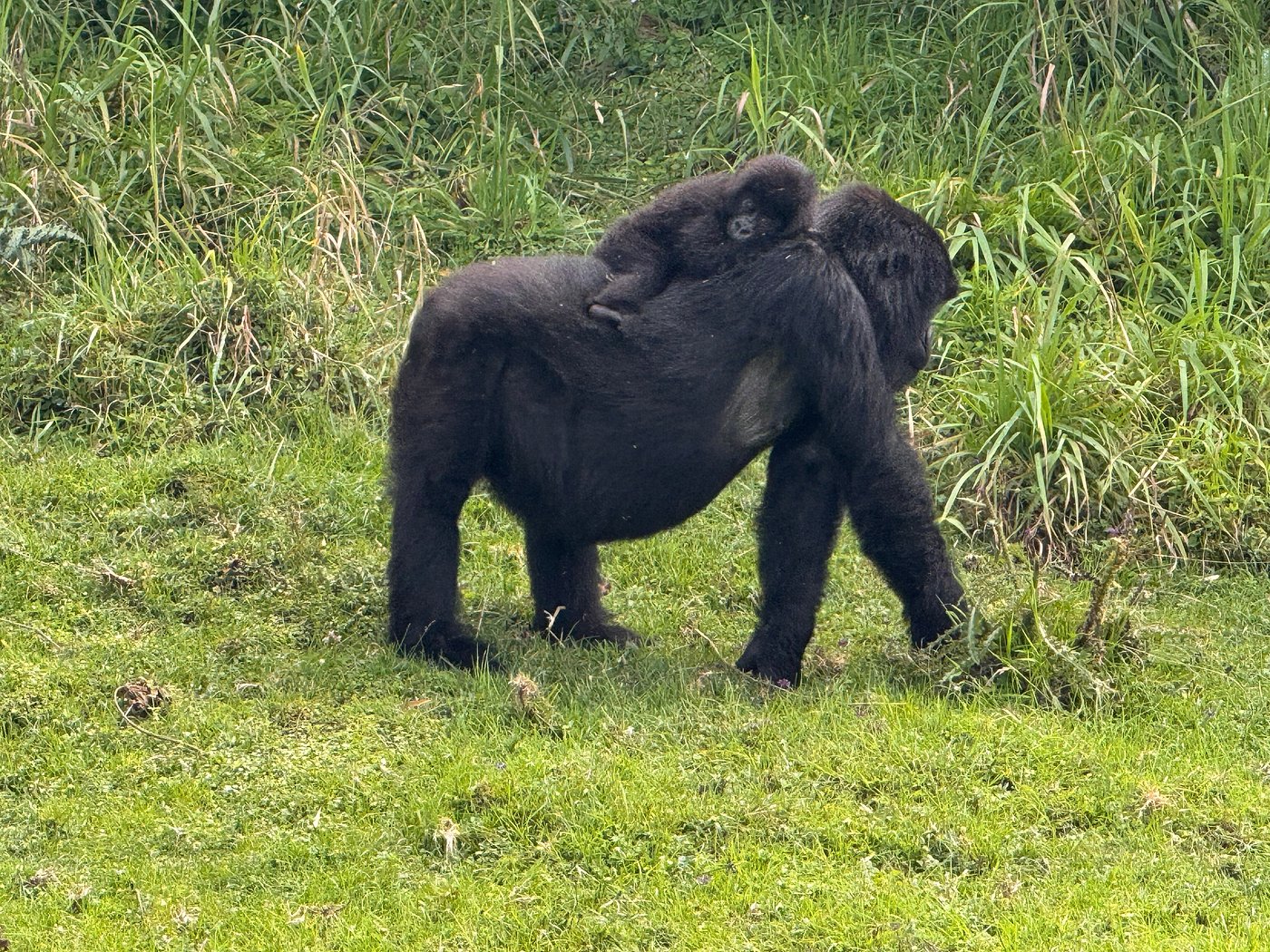
The minimum age for gorilla trekking is 15. Families with younger children need separate supervision and alternative activities.
Never purchase a permit for a child below the minimum age in the hope that officials will make an exception.
Teenagers who meet the age requirement should understand the physical demands and behavioral rules. They must remain quiet, follow the ranger and cope with an unpredictable walking time.
A private family vehicle provides greater flexibility before and after the trek.
Families can add Akagera National Park, Lake Kivu or cultural experiences to create a broader itinerary suitable for different interests.
Responsible Gorilla Tourism
A gorilla safari should support conservation rather than treat wildlife as entertainment.
Permit systems limit daily visitor numbers and generate revenue for protection, monitoring and community programs. Visitors contribute further by employing guides, porters, lodge staff and local service providers.
Follow every distancing and health rule. Do not pressure the ranger for extra encounter time or closer access.
Avoid posting misleading images that suggest touching or deliberately approaching gorillas. Explain the conservation context when sharing the experience.
Support legitimate community projects and purchase crafts fairly. Ask permission before photographing local residents.
Leave no rubbish in the forest and avoid single-use items where possible.
Common Gorilla Safari Mistakes
The first major mistake is booking international flights before confirming the trekking permit.
Another problem involves choosing a Bwindi lodge without checking whether it matches the permit sector.
Some visitors bring unsuitable shoes, assuming that the trek follows a maintained tourist path. Mud, roots and vegetation require proper hiking footwear.
Travelers may also underestimate altitude and physical effort. Fitness preparation and porter support improve the experience.
Scheduling an international flight immediately after trekking creates unnecessary risk. The forest timetable cannot be guaranteed.
Hiding illness endangers gorillas. Inform officials honestly if symptoms develop.
Finally, focusing only on photographs can diminish the encounter. The one-hour visit passes quickly, so spend part of it observing without a camera.
Frequently Asked Questions
How much is a Rwanda gorilla permit?
The standard foreign visitor permit currently costs USD 1,500 per person.
How much is a Uganda gorilla permit?
Uganda’s standard foreign nonresident price has generally been USD 800, but travelers should verify the applicable tariff for their year and season.
How long can visitors spend with the gorillas?
The standard encounter normally allows one hour with the assigned gorilla family.
What is the minimum trekking age?
Visitors must be at least 15 years old in Rwanda and Uganda.
Is seeing gorillas guaranteed?
Trackers have extensive knowledge and sightings are generally reliable, but gorillas remain wild animals. No natural wildlife encounter should receive an absolute guarantee.
Is gorilla trekking dangerous?
The activity operates under experienced ranger supervision. Visitors must follow instructions, remain calm and respect the required distance.
How difficult is the trek?
Difficulty varies from relatively manageable to demanding. Gorilla location, rain, elevation and terrain determine the day’s conditions.
Do I need hiking boots?
Yes. Waterproof hiking boots with good grip are strongly recommended.
Should I hire a porter?
Yes. A porter carries equipment, provides support and directly benefits from tourism income.
Can I trek when I have a cold?
You should report illness immediately. Officials may prevent trekking to protect gorillas from human disease.
Can I touch a gorilla?
No. Visitors must never touch gorillas, even when one approaches.
Can I use flash photography?
No. Disable the flash before the encounter.
What is the best season?
June through September and December through February are popular for relatively dry conditions. Trekking remains available throughout the year.
Is Rwanda visa-free?
Visa treatment depends on citizenship. Nationals of all countries can obtain a visa on arrival, while fee waivers apply to eligible nationalities. Check official immigration information before travel.
Is yellow fever vaccination required?
It depends on the traveler’s origin and transit history. Consult official entry rules and a travel-health professional.
Do I need travel insurance?
Comprehensive travel insurance is strongly recommended because permits and other safari services can have strict cancellation conditions.
How many days should I spend in Rwanda?
Allow at least three days for a comfortable gorilla-focused trip. Five or six days allow visitors to add Akagera, golden monkeys or other experiences.
Final Gorilla Safari Travel Tips for International Tourists
The most important Gorilla Safari Travel Tips for International Tourists begin with good timing. Secure the gorilla permit first, build the itinerary around its date and stay near the correct briefing point on the previous night.
Prepare physically, break in your boots and carry essential trekking equipment in hand luggage. Purchase insurance as soon as nonrefundable payments begin.
Verify visa, vaccination and health requirements through official sources. These rules can change and may depend on nationality, origin and transit itinerary.
During the trek, hire a porter, communicate honestly with the ranger and respect every conservation rule. Do not trek while ill or pressure the guide for closer access.
Finally, remember that a gorilla encounter is not only a photograph or bucket-list achievement. It is a carefully managed opportunity to enter the habitat of an endangered animal. Responsible behavior helps ensure that future travelers can experience the same extraordinary moment.
Plan Your Gorilla Safari with Universal Ventures Rwanda
Universal Ventures Rwanda organizes private gorilla trekking safaris in Rwanda and Uganda for international visitors, solo travelers, couples, families and groups.
Services can include gorilla permit reservations, airport pickup, private 4×4 transportation, professional driver-guides, accommodation, meals, bottled water, porter arrangements and extensions to Akagera National Park, Lake Kivu, Nyungwe National Park or Uganda’s wildlife parks.
Universal Ventures Rwanda
Telephone and WhatsApp: +250 781 441 853
Email: info@universalventuresrwanda.com
Address: KN 15 Road, opposite IPRC Entrance, 1st Floor, SANGWA Plaza, Kigali, Rwanda
Website: www.universalventuresrwanda.com

Related Posts

Comments (0)