
Luxury travel is evolving across Africa. However, one destination is rising faster than the rest—Rwanda…
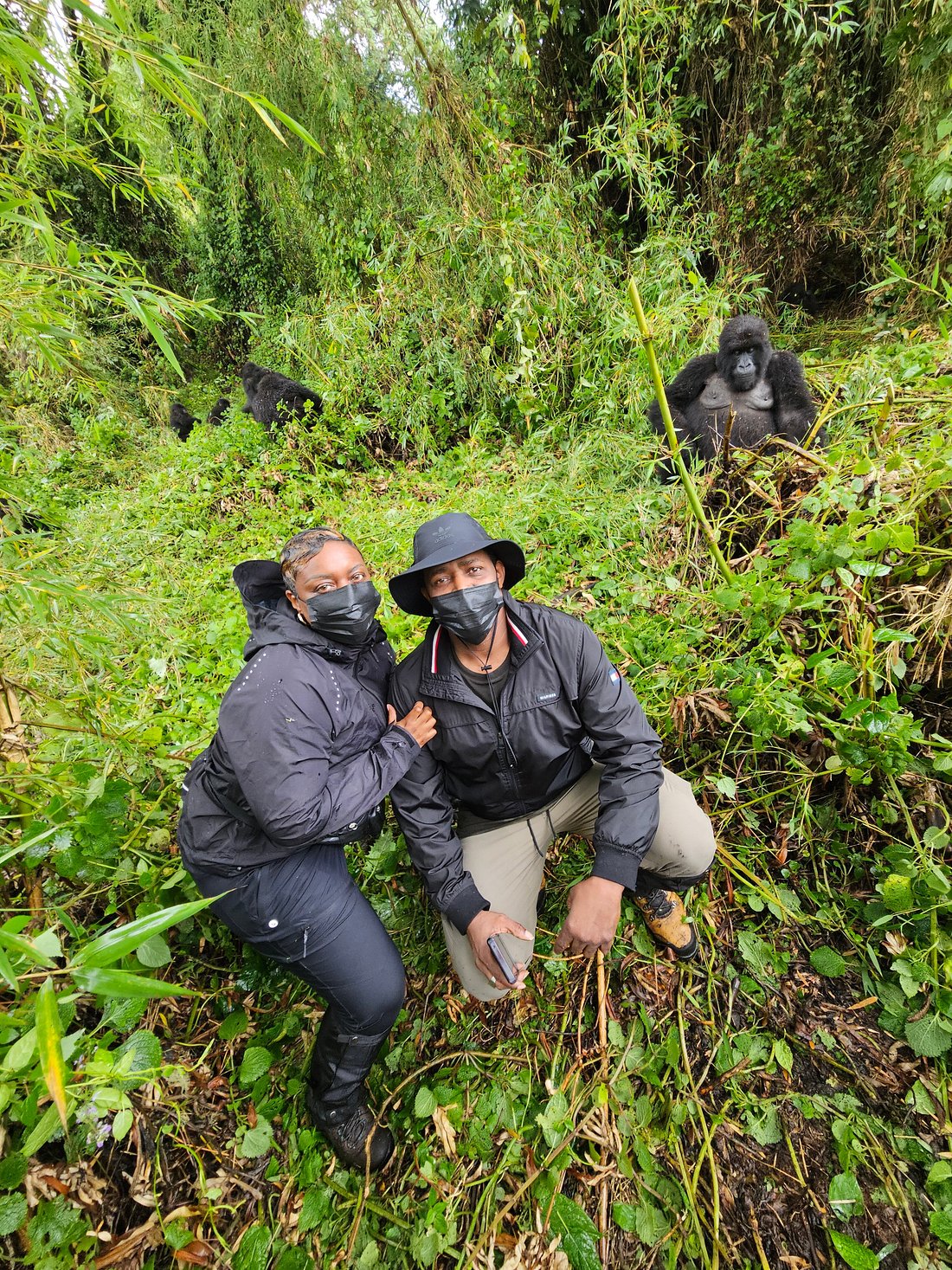
Behind the Scenes: How Rangers Track Gorillas in Volcanoes National Park
When visitors step into the rainforest for gorilla trekking in Volcanoes National Park, they often see only the final chapter of a long, carefully organized process. What most travelers do not witness is the early morning coordination, the silent forest navigation, and the constant conservation monitoring that takes place before they even lace up their hiking boots.
Understanding how rangers track gorillas in Volcanoes National Park reveals a powerful conservation story—one built on discipline, science, experience, and deep respect for endangered mountain gorillas.
The Role of Rangers in Volcanoes National Park
Rangers in Volcanoes National Park are highly trained conservation professionals. Their responsibilities go far beyond guiding tourists. They protect wildlife, prevent poaching, monitor gorilla families, collect ecological data, and ensure visitor safety.
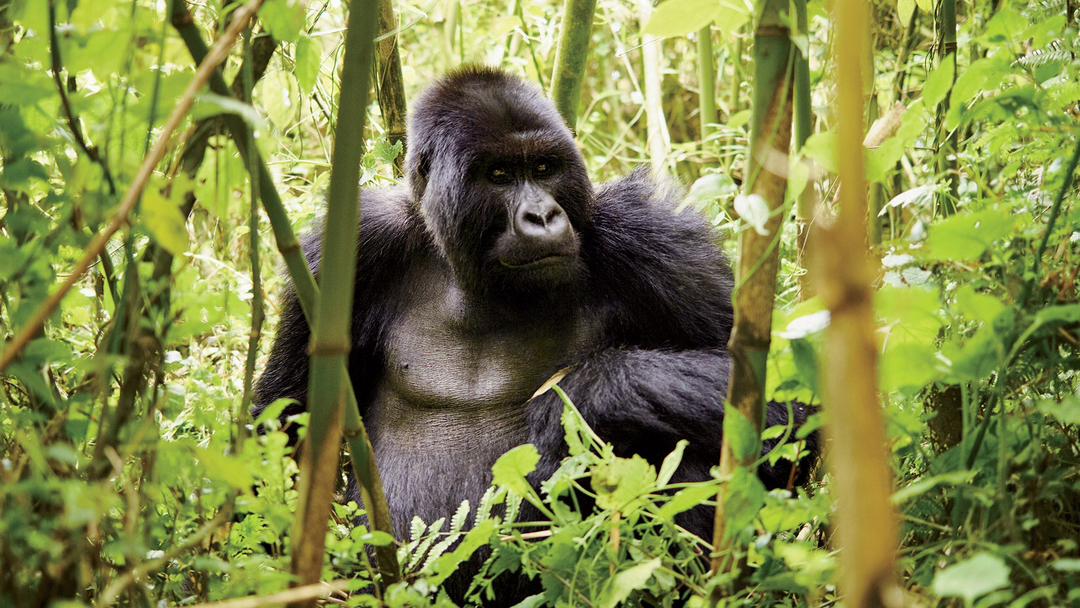 The park is part of the larger Virunga ecosystem, where conservation history was shaped by the pioneering work of Dian Fossey. Today, Rwanda continues her legacy through structured ranger programs and scientific gorilla monitoring systems.
Every successful gorilla trekking experience depends on the invisible groundwork laid by these dedicated teams.
Step 1: Early Morning Tracking Before Tourists Arrive
One of the most important aspects of how rangers track gorillas in Volcanoes National Park begins before sunrise. While visitors gather at the briefing center in Kinigi, a separate team of trackers has already entered the forest hours earlier.
These advance trackers:
- Locate the previous night’s nesting site
- Identify fresh gorilla trails
- Monitor gorilla movement patterns
- Communicate real-time GPS locations to headquarters
Mountain gorillas build new nests every evening using leaves and vegetation. By studying these nests and tracking signs such as broken bamboo, fresh dung, and feeding remains, rangers can determine where a gorilla family has traveled.
This early tracking ensures that tourist groups are assigned efficiently and safely.
Step 2: Using Experience, Not Just Technology
While GPS and radios assist in coordination, much of how rangers track gorillas in Volcanoes National Park relies on deep forest knowledge and instinct developed over years of experience.
Trackers interpret subtle clues, including:
- Freshly chewed bamboo shoots
- Gorilla vocalizations echoing through valleys
- Bent branches along movement paths
- Changes in forest scent
The dense vegetation and steep volcanic terrain make tracking physically demanding. Rangers hike through thick bamboo forests, climb slippery slopes, and navigate mist-covered ridges daily.
Their understanding of gorilla behavior patterns—feeding times, resting habits, and group dynamics—helps them anticipate movement direction.
Step 3: Gorilla Habituation and Monitoring
Not all gorilla families are open to tourism. In Volcanoes National Park, only habituated gorilla groups can be visited. Habituation is a gradual process where gorillas become accustomed to human presence without feeling threatened.
This process can take several years. Rangers and researchers spend limited time near the gorillas daily, allowing them to adjust naturally.
Organizations like Dian Fossey Gorilla Fund International support scientific monitoring and veterinary care in the region. The close collaboration between researchers and park rangers strengthens conservation efforts.
Continuous monitoring allows rangers to:
- Track births and deaths
- Observe health conditions
- Identify injuries or illnesses
- Protect against poaching threats
This structured system is a major reason Rwanda maintains one of the highest mountain gorilla survival rates in Africa.
Step 4: Assigning Gorilla Families to Visitors
Each morning at Volcanoes National Park headquarters, tourists are assigned to specific gorilla families based on:
- Physical fitness level
- Hiking ability
- Age considerations
- Group size limits
Only eight visitors per gorilla family are allowed each day. This strict rule reduces stress on the animals and supports sustainable tourism.
Because trackers already located the gorillas at dawn, guides can determine whether a trek will be short, moderate, or challenging. This ensures a safe and organized gorilla trekking Rwanda experience.
Step 5: Ensuring Safety During the Encounter
When the tourist group approaches the gorillas, rangers take the lead. Understanding how rangers track gorillas in Volcanoes National Park also means understanding how they manage interactions.
Rangers:
- Monitor gorilla body language
- Control visitor positioning
- Enforce the 7-meter distance rule
- Respond calmly to unexpected gorilla movements
If a silverback displays dominance behavior—such as chest beating—rangers instruct visitors to remain calm and avoid eye contact. Their presence ensures that the encounter remains peaceful.
The one-hour viewing limit is strictly enforced to protect gorilla welfare.
Anti-Poaching Patrols and Security Operations
Behind every tracking operation is a broader conservation strategy. Rangers conduct daily anti-poaching patrols across the park to remove snares and monitor illegal activities.
Volcanoes National Park borders other countries within the Virunga region, making coordinated security important. Ranger units patrol on foot, covering large forest areas to ensure gorilla families remain safe.
The success of Rwanda’s gorilla tourism model depends heavily on these security efforts.
Community Collaboration in Gorilla Tracking
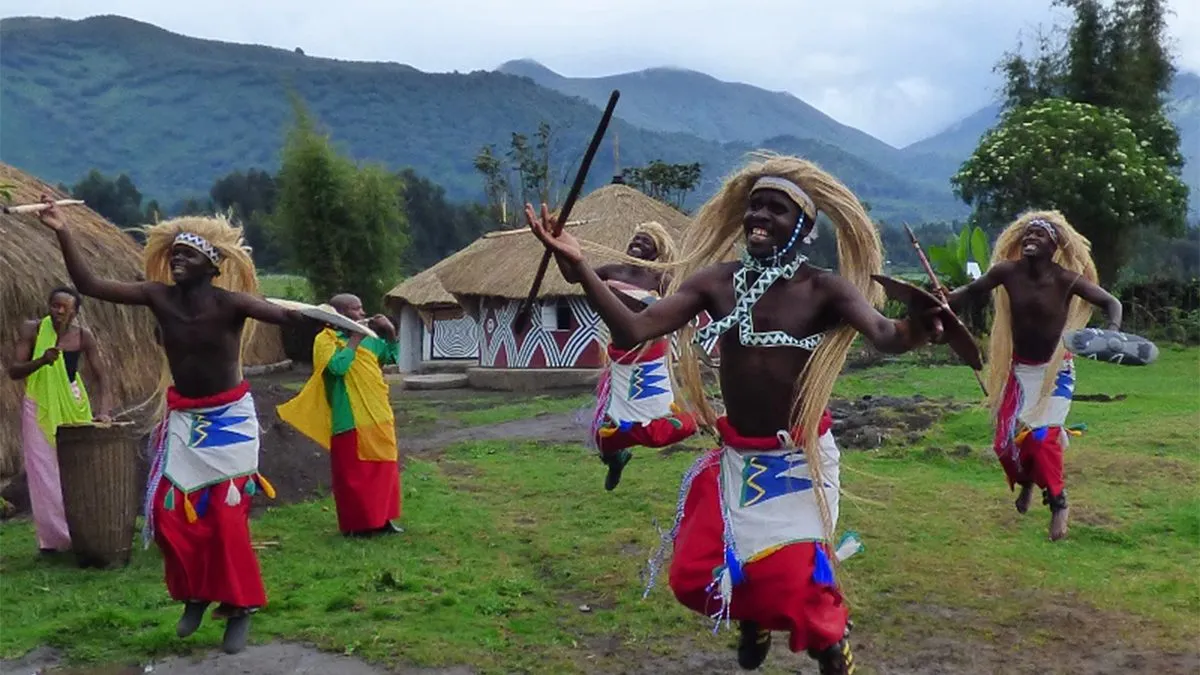 Local communities play a significant role in conservation success. Revenue from gorilla permits supports schools, healthcare facilities, and infrastructure projects in nearby villages.
By involving communities, Rwanda reduces poaching incentives and builds long-term conservation partnerships. Rangers often come from surrounding communities, strengthening trust and cooperation.
Challenges Rangers Face Daily
Tracking gorillas in Volcanoes National Park is not easy. Rangers face:
- Heavy rainfall and muddy terrain, Steep volcanic slopes, Dense vegetation, Long patrol hours, Potential wildlife risks
Despite these challenges, their dedication ensures that mountain gorillas remain protected and accessible for responsible tourism.
How Gorilla Tracking Supports Conservation
The reason travelers can enjoy gorilla trekking in Rwanda today is because of structured monitoring systems and disciplined ranger programs.
By understanding how rangers track gorillas in Volcanoes National Park, visitors gain deeper appreciation for:
- Sustainable tourism practices
- Wildlife conservation success
- Ranger professionalism
- Rwanda’s high-end eco-tourism model
Gorilla tourism generates significant conservation funding while maintaining strict environmental controls.
The Legacy of Conservation in Volcanoes National Park
Volcanoes National Park is one of Africa’s oldest conservation areas. Its protection of mountain gorillas has become a global conservation success story.
 The combination of ranger dedication, scientific research, community involvement, and controlled tourism has allowed the mountain gorilla population to increase steadily over recent decades.
This success would not be possible without the daily behind-the-scenes work of rangers tracking gorillas in the forest.
Conclusion: The Invisible Heroes of Gorilla Trekking
The next time you plan gorilla trekking in Rwanda, remember that your encounter is made possible by hours of early morning tracking, scientific monitoring, and conservation dedication.
Understanding how rangers track gorillas in Volcanoes National Park transforms a simple safari activity into a story of resilience, teamwork, and environmental stewardship.
Rangers are the invisible heroes of Rwanda’s wildlife tourism industry—guardians of the forest, protectors of mountain gorillas, and ambassadors of conservation.
Plan Your Gorilla Trekking Safari in Rwanda
Experience firsthand the incredible work of Volcanoes National Park rangers by joining a professionally organized gorilla trekking safari.
Universal Ventures Rwanda
📧 Email: info@universalventuresrwanda.com
📞 Phone / WhatsApp: +250 781 441 853
Let us design your Rwanda gorilla trekking adventure and show you the remarkable conservation story happening behind the scenes in Volcanoes National Park.

Related Posts

Comments (0)