
Luxury travel is evolving across Africa. However, one destination is rising faster than the rest—Rwanda…
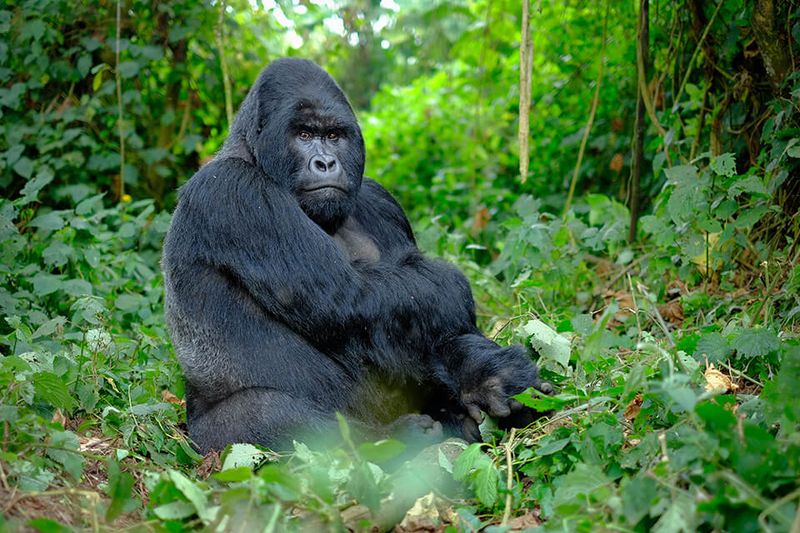
Gorilla Trekking in Rwanda for Photographers – Best Light & Angles
Gorilla Trekking in Rwanda for Photographers is one of the most rewarding wildlife photography experiences in the world. Rwanda offers close, intimate encounters with endangered mountain gorillas in a misty rainforest environment that feels both dramatic and cinematic. The controlled one-hour viewing time, small group sizes, and well-organized trekking system make Rwanda particularly appealing to professional photographers and serious hobbyists.
Gorilla trekking takes place in Volcanoes National Park, located in the Virunga Mountains of Rwanda. The park’s altitude, thick bamboo forest, and filtered natural light create unique photographic conditions that require preparation, skill, and strategic positioning.
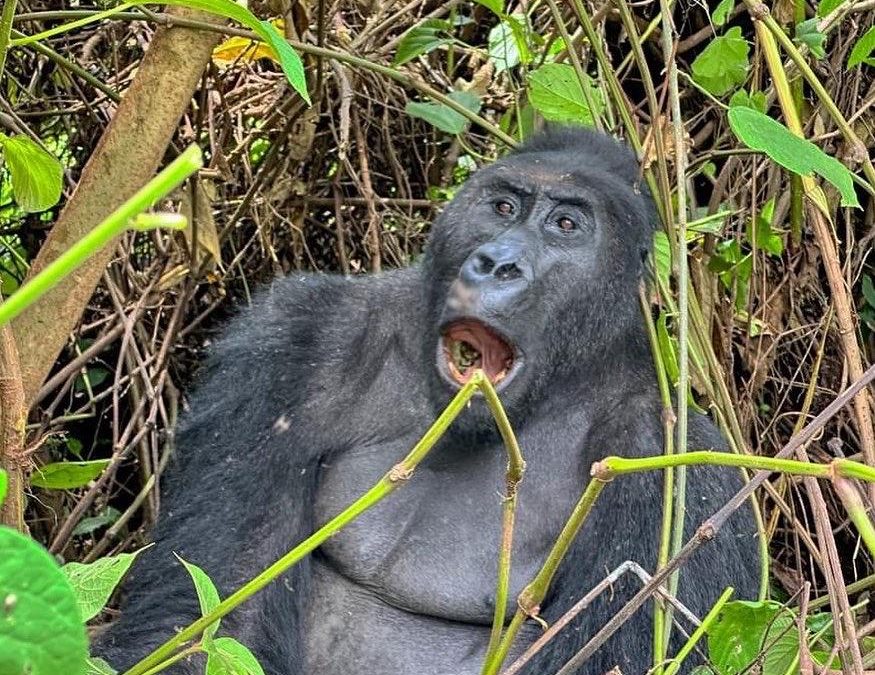 If you are planning Gorilla Trekking in Rwanda for Photographers, understanding light behavior, shooting angles, forest conditions, and gorilla movement patterns will significantly improve your results.
Understanding Light During Gorilla Trekking in Rwanda
1. Morning Light – Soft but Dim
Gorilla trekking in Rwanda begins early in the morning, usually between 8:00 AM and 9:00 AM. For photographers, this is both a blessing and a challenge.
The early morning forest light is soft and diffused, especially when mist hangs over the slopes. This creates moody, atmospheric images with depth and texture. However, because the rainforest canopy blocks direct sunlight, light levels can be low.
Photography Tip:
- Use a fast lens (f/2.8 or wider)
- Increase ISO (800–3200 depending on light)
- Shoot in RAW for maximum editing flexibility
For Gorilla Trekking in Rwanda for Photographers, morning remains the best time because gorillas are active and interacting, which results in more expressive shots.
2. Midday Light – Brighter but Harsher
If your trek takes longer and you meet the gorillas later in the morning, you may encounter stronger light filtering through the canopy. This can create beautiful spotlight effects on the gorilla’s face or silverback’s back fur.
However, harsh overhead light can produce strong shadows.
Photography Tip:
- Position yourself so light falls on the gorilla’s face
- Avoid backlit scenes unless creating silhouette effects
- Use exposure compensation if needed
Best Angles for Gorilla Photography
1. Eye-Level Shots
The most powerful images during Gorilla Trekking in Rwanda for Photographers are taken at eye level. When you position your camera at the gorilla’s eye height, the image feels intimate and respectful.
Mountain gorillas often sit while feeding or resting. Lower yourself slightly (without disturbing vegetation excessively) to align with their gaze.
2. Slight Side Angles for Depth
Rather than shooting directly from the front, move slightly to the side to create depth and texture in the frame. A 30-degree side angle highlights facial structure, fur details, and environmental context.
Avoid standing directly above a gorilla, as this creates an unnatural perspective.
3. Framing with Vegetation
The dense forest can either obstruct your shot or enhance it. Skilled photographers use leaves and branches to create natural frames around the gorilla’s face. This adds storytelling elements to your image and emphasizes the jungle habitat.
For Gorilla Trekking in Rwanda for Photographers, patience is key. Wait for the gorilla to move into a clean background when possible.
Best Camera Settings for Gorilla Trekking in Rwanda
Because of low light conditions, the following settings are recommended:
- Aperture: f/2.8 – f/4
- ISO: 800–3200 (depending on canopy density)
- Shutter Speed: 1/250 minimum for moving subjects
- Continuous autofocus mode
- Silent shooting mode if available
Flash photography is strictly prohibited in Volcanoes National Park. Natural light only.
Gorilla Behavior and Timing for Better Photos
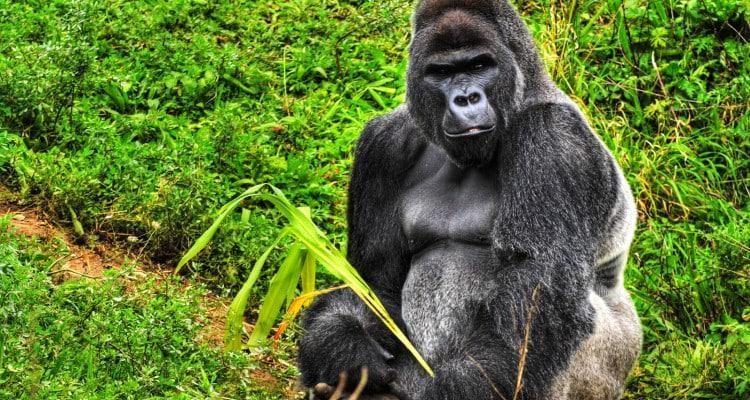 Mountain gorillas are most active in the morning. After leaving their nests at dawn, they begin feeding, grooming, and playing. Juveniles are particularly playful, offering dynamic action shots.
Silverbacks often sit protectively while observing their group. These moments create dramatic portrait opportunities, especially when light highlights their silver fur.
Understanding behavior enhances success during Gorilla Trekking in Rwanda for Photographers.
Weather Considerations for Gorilla Photography
Rwanda’s climate includes both dry and rainy seasons.
Dry Season (June–September & December–February)
- Easier trekking conditions, Clearer forest light, Less mud
Rainy Season (March–May & October–November)
- Lush green backgrounds, Misty atmospheric shots, More challenging lighting
Many photographers actually prefer light rain or mist for mood and drama.
Recommended Lenses for Gorilla Trekking in Rwanda
- 70–200mm f/2.8 (most versatile)
- 100–400mm zoom for distance flexibility
- Wide-angle lens (24–70mm) for environmental storytelling
You must maintain a 7-meter distance from gorillas, so zoom capability is essential.
Working with Rangers and Guides
During Gorilla Trekking in Rwanda for Photographers, park rangers and guides help position visitors safely. Communicate your photography needs politely. Rangers may guide you to a better vantage point if space allows.
Always respect gorilla behavior and avoid blocking their movement.
Physical Preparation for Photographers
Photography gear adds weight. Hiking in Volcanoes National Park can be steep and muddy. Consider:
- Hiring a porter
- Using a lightweight monopod (tripods are often impractical)
- Carrying weather protection for equipment
Preparation ensures you focus on creativity rather than discomfort.
Ethical Photography Guidelines
- No flash photography, Maintain 7-meter distance, Avoid sudden movements, Do not mimic gorilla sounds, Follow ranger instructions
Ethical practices protect both gorillas and visitors.
Why Rwanda Is Ideal for Gorilla Photography
Rwanda’s trekking system is highly organized. Groups are small (maximum 8 visitors per gorilla family), which allows better positioning for photographers compared to crowded wildlife experiences elsewhere.
Additionally, Volcanoes National Park’s bamboo forests provide slightly more open visibility compared to some denser forest areas.
For those serious about wildlife photography, Gorilla Trekking in Rwanda for Photographers offers controlled conditions, dramatic landscapes, and close encounters.
Plan Your Gorilla Photography Safari
If you are planning Gorilla Trekking in Rwanda for Photographers, we can organize:
- Gorilla permits, 4×4 Land Cruiser safari transport, Professional driver-guides, Photographer-friendly lodges, Cross-border extensions to Uganda
Universal Ventures Rwanda
Email: info@universalventuresrwanda.com
Phone / WhatsApp: +250 781 441 853
Location: Kigali, Rwanda
We specialize in customized gorilla photography safaris tailored to your equipment and skill level.
Final Thoughts
Gorilla Trekking in Rwanda for Photographers is about more than capturing an image — it is about telling the story of one of the world’s most endangered species in their natural habitat. By understanding light, positioning, timing, and behavior, you can return home with powerful, emotional images that reflect the true spirit of the Virunga Mountains.

Related Posts

Comments (0)