
Luxury travel is evolving across Africa. However, one destination is rising faster than the rest—Rwanda…
How Rwanda Protects Mountain Gorillas Through Tourism
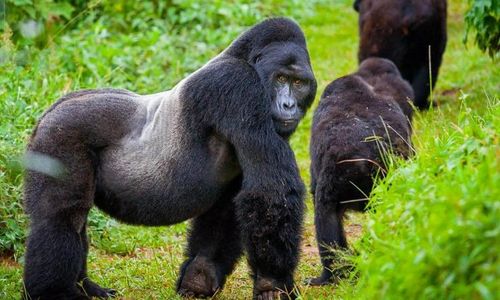
Understanding how Rwanda protects mountain gorillas through tourism reveals one of Africa’s most inspiring conservation success stories. Decades ago, mountain gorillas were critically endangered due to poaching, habitat loss, and regional instability. Today, their population is steadily increasing, and Rwanda stands as a global example of how responsible tourism can directly fund wildlife protection.
Mountain gorillas in Rwanda live primarily in Volcanoes National Park, part of the Virunga Massif shared by Rwanda, Uganda, and Democratic Republic of the Congo. Rwanda’s conservation model links high-value, low-impact tourism with strict environmental protection policies. The result is a balanced system where gorilla trekking generates revenue that is reinvested into wildlife protection and community development.
The High-Value Tourism Model
One of the main ways Rwanda protects mountain gorillas through tourism is by adopting a high-value, low-volume tourism strategy. Gorilla permits in Rwanda are priced at a premium compared to neighboring countries. This pricing strategy limits overcrowding while generating significant conservation revenue.
By restricting the number of daily trekking permits, Rwanda ensures:
- Minimal stress on gorilla families
- Controlled human interaction
- Reduced risk of disease transmission
- Sustainable visitor management
This model proves that conservation success is not about mass tourism, but about carefully managed eco-tourism.
Strict Gorilla Trekking Regulations
 A critical part of how Rwanda protects mountain gorillas through tourism lies in its strict trekking rules. Visitors must follow guidelines designed to safeguard both gorillas and humans:
- Maximum 8 visitors per gorilla family
- One hour viewing limit
- Minimum 7-meter distance
- No flash photography
- No trekking when sick
These rules reduce behavioral disruption and protect gorillas from human-borne diseases, which pose one of the greatest threats to their survival.
Revenue Reinvestment into Conservation
Tourism revenue generated from gorilla permits is directly reinvested into:
- Anti-poaching patrols
- Ranger salaries and training
- Veterinary care
- Habitat restoration
- Park infrastructure
Organizations such as the Rwanda Development Board oversee national park management and ensure tourism funds are allocated toward conservation priorities.
Rangers conduct daily monitoring of gorilla families, remove snares, and patrol park boundaries. Veterinary teams intervene when gorillas are injured or ill. Without tourism revenue, these programs would struggle to operate effectively.
Community Revenue Sharing Program
One of the strongest examples of how Rwanda protects mountain gorillas through tourism is the community revenue-sharing model. A percentage of tourism income is allocated to local communities living near Volcanoes National Park.
Funds support:
- Schools, Health centers, Clean water projects, Road improvements, Small business development
When local communities benefit economically from gorilla tourism, they become partners in conservation rather than threats to it. This reduces illegal hunting and encroachment.
Employment Opportunities for Local Communities
Tourism has created thousands of jobs in the region surrounding Volcanoes National Park. Local residents work as:
- Park rangers, Trackers, Porters, Lodge staff, Driver-guides, Cultural performers
By providing sustainable employment, Rwanda reduces dependence on forest resources and strengthens conservation awareness.
Anti-Poaching and Law Enforcement
Before tourism became a strong economic driver, poaching was a serious threat. Today, anti-poaching units conduct regular patrols within Volcanoes National Park. Technology such as GPS tracking and coordinated cross-border conservation efforts help monitor gorilla movements.
Rwanda collaborates with conservation partners including the Dian Fossey Gorilla Fund, which continues the legacy of Dian Fossey in protecting mountain gorillas.
Veterinary and Health Monitoring Programs
Mountain gorillas are highly susceptible to human diseases. Tourism funds support:
- Gorilla health monitoring, Emergency veterinary interventions, Research and behavioral studies, Disease prevention protocols
Veterinary teams regularly assess gorilla groups and treat injuries caused by snares or natural conflicts.
Habitat Protection and Environmental Policies
Rwanda has expanded conservation boundaries and strengthened forest protection laws. Reforestation projects help restore degraded buffer zones around Volcanoes National Park. Strict land-use policies prevent illegal farming inside protected areas.
Sustainable tourism also reduces pressure on forests by providing alternative income streams for nearby communities.
Education and Conservation Awareness
Understanding how Rwanda protects mountain gorillas through tourism also involves education initiatives. Conservation awareness campaigns teach communities and visitors about the importance of protecting biodiversity.
Tourists attending briefings before trekking receive information about:
- Gorilla behavior, Conservation history, Responsible tourism practices, Environmental protection
This creates a cycle of informed travelers who support conservation efforts globally.
Scientific Research and Monitoring
Tourism income supports long-term research programs focused on:
- Gorilla population growth, Social group dynamics, Habitat health, Genetic diversity
Regular censuses of the Virunga Massif have shown encouraging increases in mountain gorilla populations, demonstrating that Rwanda’s conservation model is working.
Cross-Border Conservation Collaboration
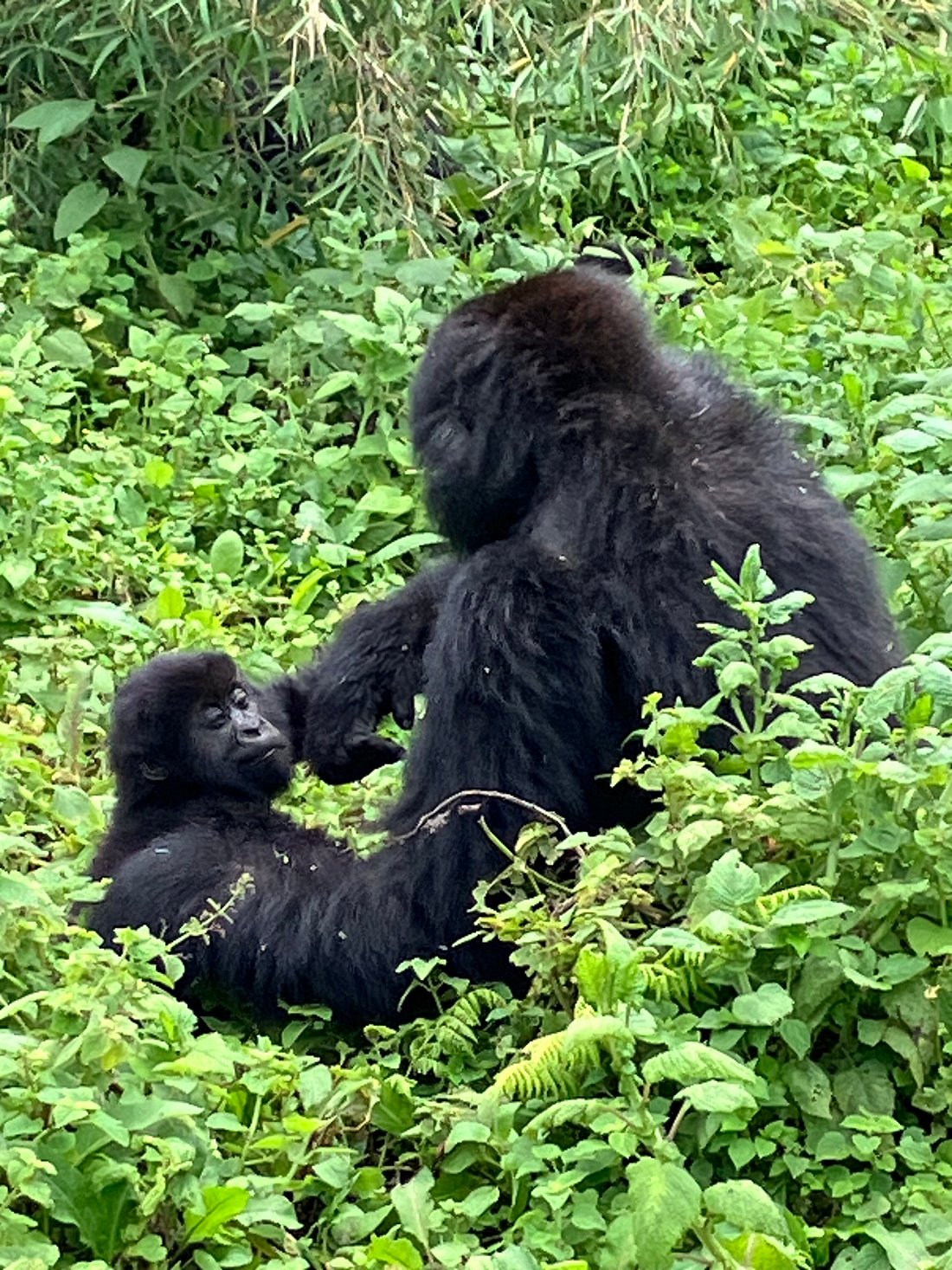 Because mountain gorillas live across Rwanda, Uganda, and the Democratic Republic of the Congo, regional cooperation is essential. Rwanda participates in transboundary conservation programs that coordinate ranger patrols and research efforts.
This collaborative approach strengthens overall protection efforts across the Virunga landscape.
The Positive Impact on Gorilla Population Growth
Decades ago, mountain gorilla numbers were dangerously low. Thanks to tourism-supported conservation, the population has grown steadily. Rwanda’s structured tourism model plays a direct role in this recovery.
The success story of how Rwanda protects mountain gorillas through tourism is now studied internationally as a model for balancing economic development with environmental preservation.
Responsible Tourism: How Visitors Contribute
Every visitor who purchases a gorilla trekking permit contributes directly to conservation. Responsible travelers can further support protection efforts by:
- Following park rules, Hiring local porters, Staying in eco-friendly lodges, Supporting community projects
Sustainable travel strengthens the link between tourism and wildlife protection.
Plan a Responsible Gorilla Trekking Safari
If you are interested in experiencing responsible gorilla tourism while supporting conservation, we can help organize your safari.
Universal Ventures Rwanda
Email: info@universalventuresrwanda.com
Phone / WhatsApp: +250 781 441 853
Location: Kigali, Rwanda
We arrange gorilla permits, 4×4 transport, and conservation-focused safaris that directly contribute to protecting mountain gorillas.
Conclusion: Tourism as a Conservation Tool
The story of how Rwanda protects mountain gorillas through tourism demonstrates that wildlife conservation and economic growth can work together. Through strict regulations, community partnerships, reinvestment of tourism revenue, and international cooperation, Rwanda has transformed gorilla tourism into a powerful conservation engine.
Today, visiting mountain gorillas in Volcanoes National Park is not only a life-changing experience but also a meaningful contribution to one of the world’s most successful wildlife conservation efforts.

Related Posts

Comments (0)