
Combining gorilla trekking with a Big Five safari in Rwanda is one of the most…
Conservation in Nyungwe National Park – Protecting Primates & Forests
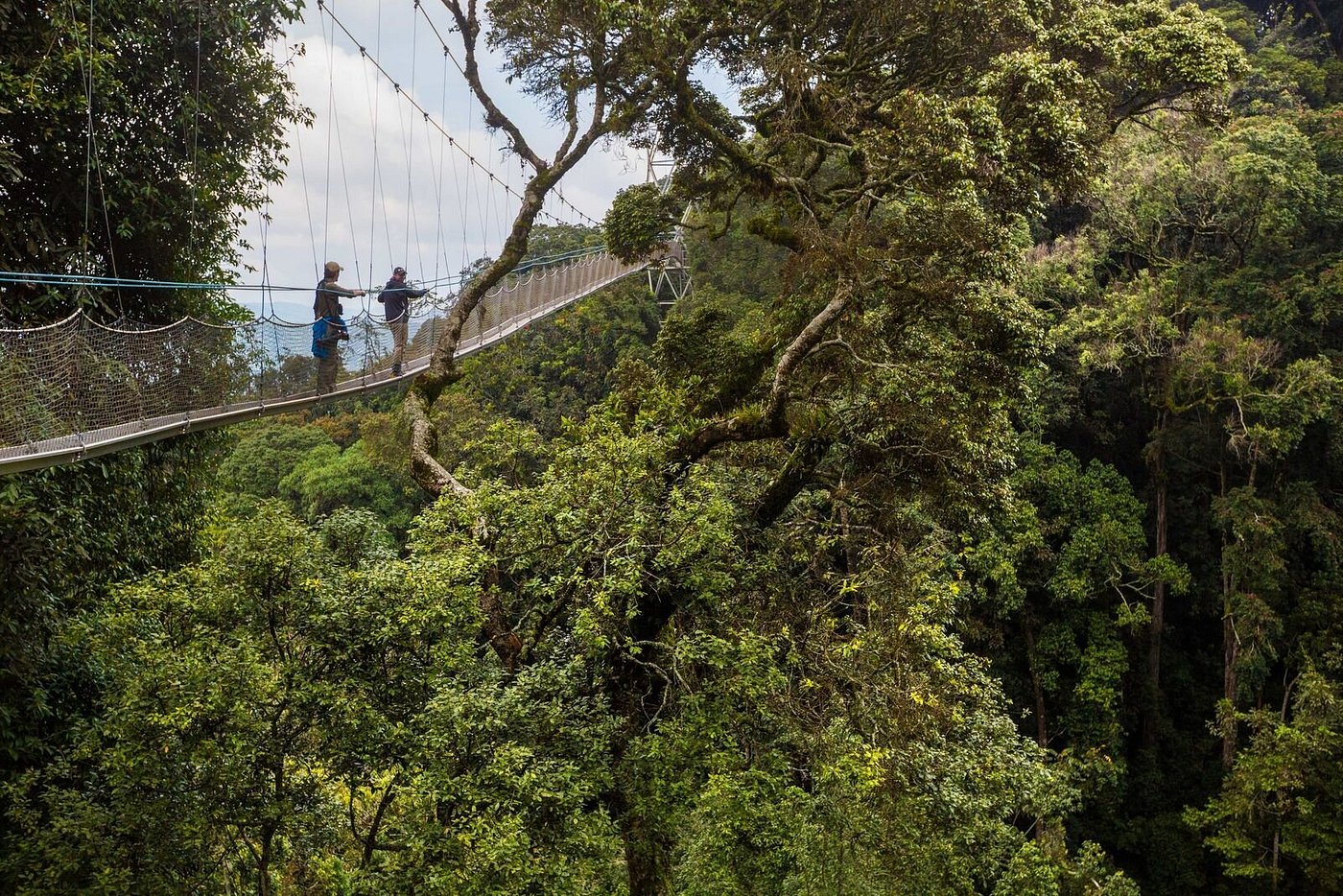
Conservation in Nyungwe National Park plays a critical role in protecting Rwanda’s biodiversity, endangered primates, and one of Africa’s oldest montane rainforests. Located in southwestern Rwanda, Nyungwe National Park covers over 1,000 square kilometers of lush tropical forest and serves as a vital ecological treasure for East Africa. The park is home to chimpanzees, colobus monkeys, rare orchids, hundreds of bird species, and critical water catchment systems that supply much of Rwanda’s freshwater. Protecting this ecosystem ensures not only wildlife survival but also climate stability, community livelihoods, and sustainable tourism growth.
Conservation in Nyungwe National Park combines anti-poaching efforts, community engagement, scientific research, sustainable tourism, and environmental education. Thanks to strong management policies and Rwanda’s conservation-focused tourism model, Nyungwe stands as one of Africa’s best-protected rainforest ecosystems.
Why Conservation in Nyungwe National Park Matters
Nyungwe is more than a safari destination; it is a biodiversity hotspot. The forest provides habitat for:
- 13 primate species including chimpanzees and colobus monkeys
- Over 300 bird species
- More than 1,000 plant species
- Numerous reptiles, amphibians, and butterflies
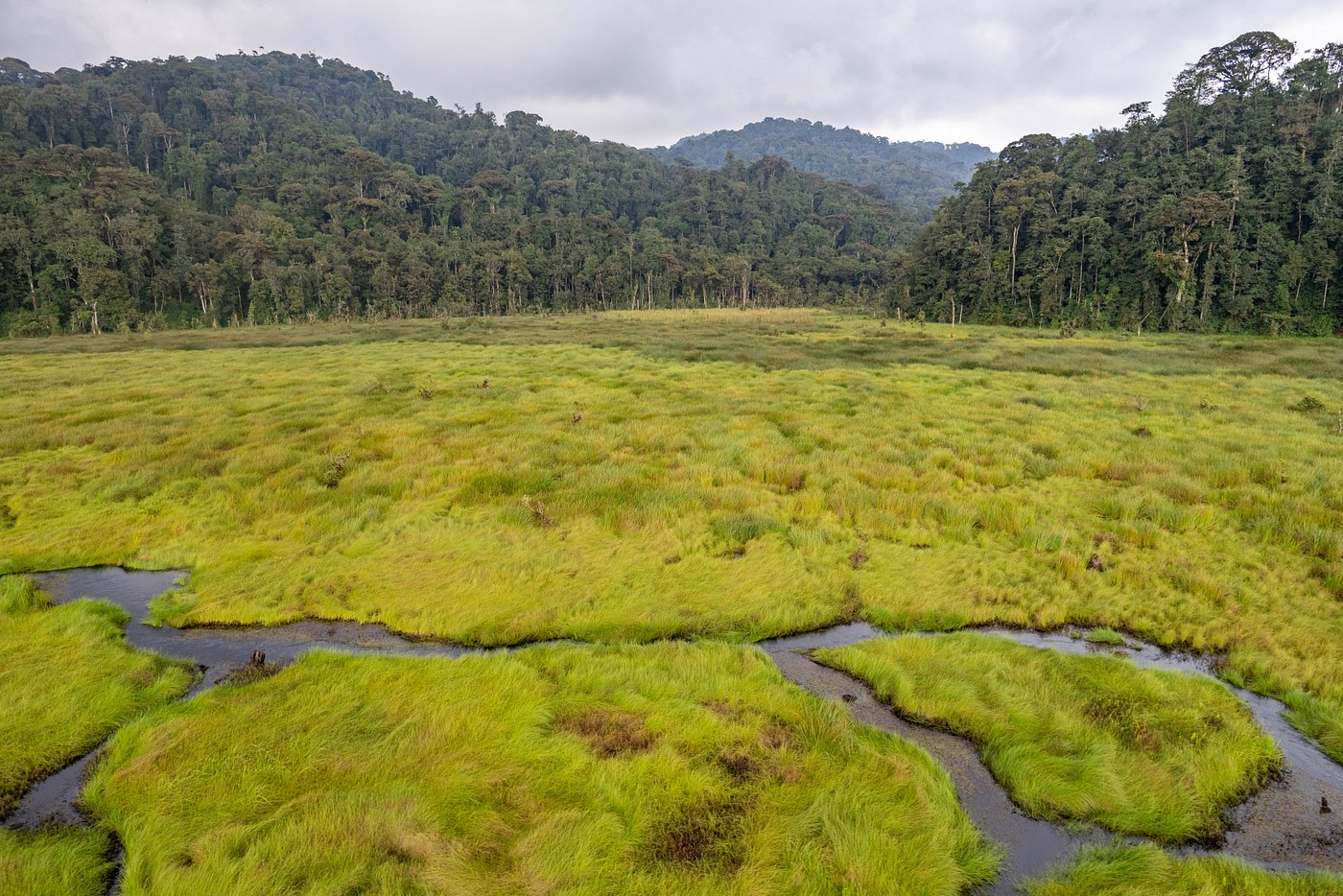 Because of its altitude and ecological importance, Nyungwe also acts as a major water source feeding the Nile and Congo River basins. Therefore, conservation in Nyungwe National Park directly supports environmental sustainability across the region.
Without strong conservation policies, threats such as deforestation, illegal logging, poaching, and climate change could damage this delicate ecosystem.
Protecting Primates in Nyungwe Forest
One of the most visible aspects of conservation in Nyungwe National Park is primate protection. The park hosts one of the largest populations of chimpanzees in Rwanda and Africa’s largest troop of Angolan colobus monkeys.
1. Anti-Poaching Patrols
Trained rangers conduct regular patrols to remove snares and prevent illegal hunting. These efforts significantly reduce wildlife threats.
2. Regulated Chimpanzee Trekking
Chimpanzee trekking in Nyungwe operates under strict guidelines:
- Limited daily visitor numbers
- Minimum age restrictions
- Controlled viewing distance
- No direct contact
These measures protect primates from disease transmission and stress while allowing sustainable tourism revenue.
3. Research & Monitoring
Conservation teams track primate behavior, population growth, and habitat changes. This data helps improve long-term protection strategies.
Forest Conservation & Reforestation Efforts
Protecting primates alone is not enough; forest preservation is equally important. Conservation in Nyungwe National Park includes:
- Preventing illegal logging
- Controlling forest fires
- Monitoring climate impact
- Supporting reforestation initiatives
The park also works closely with surrounding communities to reduce reliance on forest resources. By promoting alternative income sources, conservation programs help minimize human-wildlife conflict.
Community Involvement & Sustainable Tourism
A key strength of conservation in Nyungwe National Park lies in community participation. Rwanda’s tourism model ensures that a portion of park revenue supports local development projects such as schools, health centers, and infrastructure.
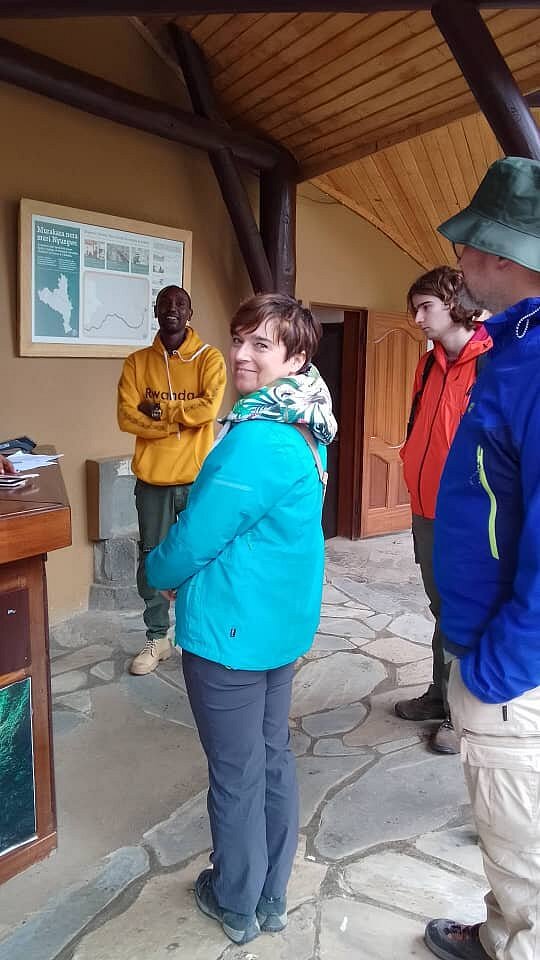 Local communities benefit from:
- Employment as ranger guides and lodge staff
- Handicraft sales to tourists
- Cultural tourism programs
- Revenue-sharing initiatives
When communities benefit from tourism, they actively support conservation efforts.
Eco-Tourism & Responsible Travel in Nyungwe
Sustainable tourism is central to conservation in Nyungwe National Park. Visitors contribute through park entry fees, chimpanzee permits, and guided experiences. These funds finance conservation programs and ranger operations.
Responsible safari practices include:
- Staying on designated trails
- Avoiding littering
- Maintaining safe wildlife distances
- Choosing eco-certified lodges
Luxury properties such as One&Only Nyungwe House incorporate eco-friendly architecture and sustainability programs that align with conservation goals.
Climate Change & Future Protection
Climate change poses long-term challenges to rainforest ecosystems. Rising temperatures and unpredictable rainfall patterns may affect primate habitats and plant diversity. Conservation teams monitor environmental shifts and adapt management strategies accordingly.
Continued investment in research, sustainable tourism, and reforestation ensures Nyungwe remains resilient.
How Visitors Support Conservation in Nyungwe National Park
Every traveler contributes to conservation simply by visiting responsibly. Booking guided chimpanzee trekking experiences, using licensed 4×4 safari vehicles, and staying in eco-lodges directly funds protection initiatives.
Travelers who:
- Rent a car to Nyungwe National Park through licensed operators
- Use professional 4×4 safari cars to Nyungwe National Park
- Book guided transfers to Nyungwe National Park
help maintain regulated tourism standards that protect wildlife and forests.
The Role of Government & Conservation Partnerships
The Rwandan government has made conservation a national priority. Strict environmental laws, strong park management, and partnerships with conservation organizations have positioned Nyungwe as a model for sustainable rainforest tourism in Africa.
These partnerships support:
- Scientific biodiversity studies
- Ranger training programs
- Environmental education campaigns
- Infrastructure development
Final Thoughts on Conservation in Nyungwe National Park
Conservation in Nyungwe National Park ensures the survival of endangered primates, protects critical water systems, and preserves one of Africa’s most ancient rainforests. Through anti-poaching patrols, community engagement, eco-tourism, and scientific research, Rwanda continues to demonstrate how wildlife protection and tourism can work together.
For travelers planning Rwanda safari tours, visiting Nyungwe is not only an adventure but also a meaningful way to support environmental protection. Every permit purchased and every responsible travel choice contributes to safeguarding primates and forests for future generations.
Plan Your Responsible Nyungwe Safari
For eco-friendly safari packages, chimpanzee trekking permits, car rental to Nyungwe National Park, 4×4 safari vehicles, or private transfers to Nyungwe National Park, contact:
Universal Ventures Rwanda
📞 +250 781 441 853
📧 info@universalventuresrwanda.com
Travel responsibly and help protect Nyungwe’s primates and forests.

Related Posts

Comments (0)