 Skip to content
Planning a safari to Africa is an exciting journey, and understanding how to plan a…
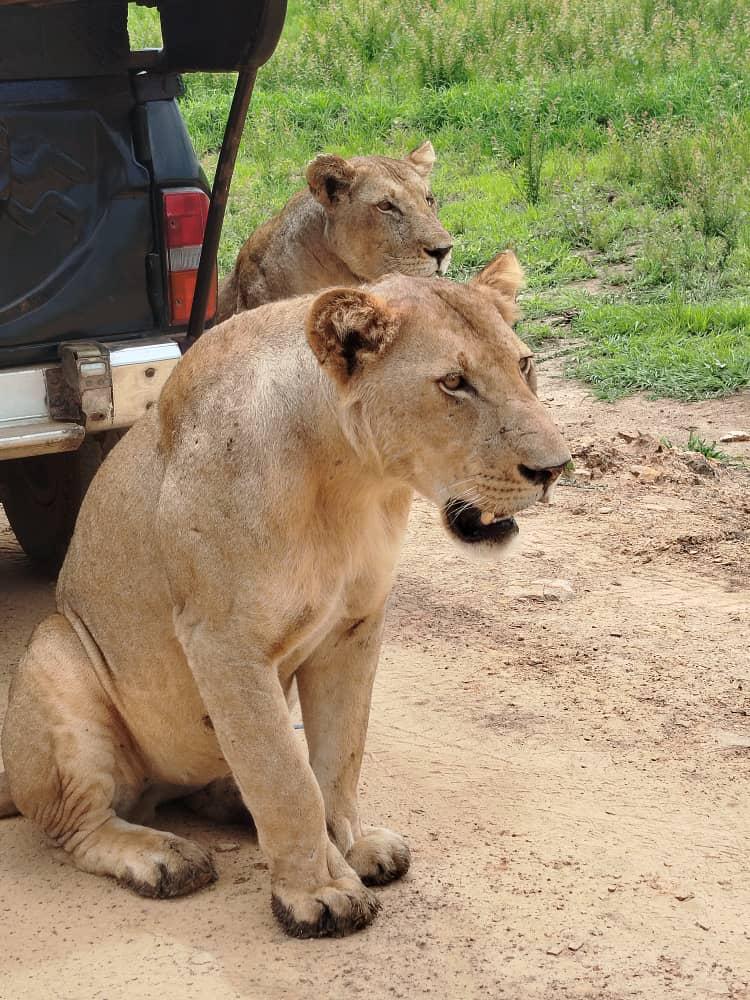
Conservation Success: How Rwanda Reintroduced Lions & Rhinos
Rwanda has rapidly become one of Africa’s greatest conservation success stories, transforming Akagera National Park from a heavily poached, degraded landscape into a thriving Big Five destination. Through strategic partnerships, strong government leadership, wildlife protection initiatives, and community involvement, Rwanda achieved what many thought impossible: the successful reintroduction of both lions and black rhinos after decades of local extinction. Today, Akagera National Park stands as a shining example of modern conservation, attracting global recognition for its innovative approach to restoring ecosystems and protecting endangered wildlife.
The story of Conservation Success: How Rwanda Reintroduced Lions & Rhinos represents more than bringing back iconic species—it reflects Rwanda’s national commitment to safeguarding biodiversity, empowering communities, promoting sustainable tourism, and building long-term environmental resilience. From careful planning and international cooperation to post-release monitoring and the creation of safe habitats, each step of the rewilding process has been a milestone in Rwanda’s conservation journey.
This detailed guide explores how Rwanda revived its predator and megafauna populations, the challenges encountered, the scientific methods used, and the future of wildlife conservation in the country. Let’s dive into the incredible story of Conservation Success: How Rwanda Reintroduced Lions & Rhinos—a transformation that changed the face of Rwanda’s safari industry forever.
Overview – Conservation Success: How Rwanda Reintroduced Lions & Rhinos
When the 1994 genocide devastated Rwanda, Akagera National Park faced extreme pressure. Wildlife populations collapsed due to poaching, illegal grazing, human encroachment, and habitat destruction. By the early 2000s, lions had disappeared, and black rhinos were declared locally extinct, leaving Akagera without key species essential to maintaining ecological balance.
In 2010, a historic partnership between the Rwanda Development Board (RDB) and African Parks marked the beginning of a new era. Together, they initiated a comprehensive restoration strategy involving law enforcement, park management reforms, community programs, habitat rehabilitation, and species reintroduction. The success of Conservation Success: How Rwanda Reintroduced Lions & Rhinos is a result of this long-term, meticulously coordinated effort.
Today, Akagera is home to a healthy lion population, a growing black rhino population, and thriving wildlife numbers across the park. This remarkable comeback has revitalized tourism, created jobs, boosted local economies, and positioned Rwanda as a leader in Africa’s conservation industry.
The Return of Lions – A Landmark Conservation Achievement
Why Lions Disappeared in Akagera
Before their extinction, Akagera had a strong lion population. However, following the post-genocide resettlement, communities cleared large areas for farming and pastoralism. Livestock attacks by lions increased, leading to retaliatory killings. By 1995, the last remaining lions had been poisoned or eliminated.
The loss of lions disrupted Akagera’s ecosystem, leading to overpopulation of herbivores in certain areas and altering predator-prey dynamics.
Planning the Lion Reintroduction
In 2015, Rwanda initiated an ambitious plan to bring back lions. Experts conducted:
-
Habitat suitability assessments
-
Prey population studies
-
Genetic analyses
-
Veterinary evaluations
-
Community consultations
Their goal: ensure that Akagera could support a sustainable lion population.
Arrival of the First Lions
In July 2015, seven lions—five females and two males—were translocated from South Africa. They were carefully selected for:
-
Health
-
Age
-
Genetic diversity
-
Social compatibility
Upon arrival, the lions spent time in a boma enclosure, adapting to the new environment before release.
Lion Population Growth
The lions adapted remarkably well. Just months after release, two lionesses gave birth to eight cubs, marking a monumental milestone. Since then, the population has grown significantly through natural breeding.
Today, Akagera has over 40 lions, making it one of the fastest-growing lion populations in Africa.
Why the Lion Reintroduction Succeeded
-
Strong anti-poaching measures
-
24/7 ranger patrols
-
GPS collars for monitoring
-
Safe habitat protected by fencing
-
Community compensation programs
The successful lion reintroduction became a global symbol of Rwanda’s conservation leadership.
The Historic Reintroduction of Black Rhinos
Rhinos in Akagera Before Extinction
Akagera once had a thriving black rhino population introduced in the 1950s. But due to intense poaching in the 1970s–1990s, the last rhino was sighted in 2007.
For nearly a decade, the species was absent from the park.
The 2017 Black Rhino Reintroduction
In 2017, Rwanda undertook one of the largest and most complex translocation operations in Africa: the reintroduction of 18 eastern black rhinos from South Africa.
This monumental effort required:
-
Specialized crates
-
Aircraft transportation
-
Sedation and veterinary care
-
Security coordination
-
Extensive monitoring systems
The 2019 and 2021 Reinforcements
To strengthen genetic diversity and boost breeding, more rhinos were introduced:
-
2019: Five rhinos from European zoos (EAZA)
-
2021: Another group arrived to expand the population
Rhino Monitoring & Protection
Rwanda established elite rhino monitoring teams equipped with:
-
GPS tracking
-
Veterinary units
-
Drones
-
Intensive foot patrols
These operations ensure the rhinos remain protected from poaching—a major threat across Africa.
Population Growth and Healthy Breeding
Since their reintroduction, rhinos have successfully bred inside Akagera, proving that the habitat is thriving and secure.
This success cemented Rwanda’s place among countries committed to saving endangered species.
What Made the Reintroductions a Success?
1. Strong Government Leadership
The Rwandan government prioritizes conservation as part of national development and tourism strategies.
2. Partnership with African Parks
African Parks brought expertise in:
-
Law enforcement
-
Ecological restoration
-
Wildlife translocation
-
Community engagement
3. Zero-Tolerance Approach to Poaching
Akagera now uses:
-
A dedicated canine unit
-
Rapid reaction forces
-
Smart monitoring technology
-
Electrified perimeter fencing
4. Community Empowerment
Local communities benefit from:
-
Employment
-
Revenue sharing
-
Tourism opportunities
-
Education programs
This reduces conflict and increases support for conservation.
5. Tourism Revenue Supports Conservation
Revenue from safaris, lodges, and park fees funds ongoing wildlife protection.
Conservation Success: How Rwanda Reintroduced Lions & Rhinos – Impact on Tourism
Rise of Big Five Safaris
With lions and rhinos back, Rwanda now offers full Big Five safaris in Akagera National Park, boosting the country’s overall tourism appeal.
Increased Wildlife Sightings
Predator-prey dynamics have stabilized, leading to healthier animal populations.
Luxury Tourism Growth
Exclusive lodges like Magashi Camp attract high-end travelers from around the world.
Rwanda on the Global Conservation Stage
The country has gained recognition from:
-
National Geographic
-
BBC Earth
-
Conservation NGOs
-
International tourism organizations
Challenges and Future Plans
Maintaining Genetic Diversity
More translocations may be necessary in the future.
Balancing Tourism & Conservation
Tourism must remain sustainable to protect the park’s ecological integrity.
Continued Anti-Poaching Investment
Akagera must maintain vigilance against illegal wildlife activity.
Expanding Community Outreach
Future conservation success depends on strong relationships with local populations.
Final Thoughts – Conservation Success: How Rwanda Reintroduced Lions & Rhinos
Rwanda’s reintroduction of lions and rhinos stands among Africa’s most inspiring conservation triumphs. It showcases the power of political will, scientific planning, community involvement, and international collaboration. Conservation Success: How Rwanda Reintroduced Lions & Rhinos is not just a story about bringing wildlife back—it is a testament to Rwanda’s commitment to restoring nature, empowering people, and building a sustainable future for generations to come.
From near extinction to flourishing populations, Rwanda’s wildlife revival continues to inspire global conservation efforts and solidify Akagera National Park as an iconic Big Five destination.

Related Posts

Comments (0)