
Crossing the Gorilla Safari Borders Guide between Rwanda and Uganda is a common and practical…
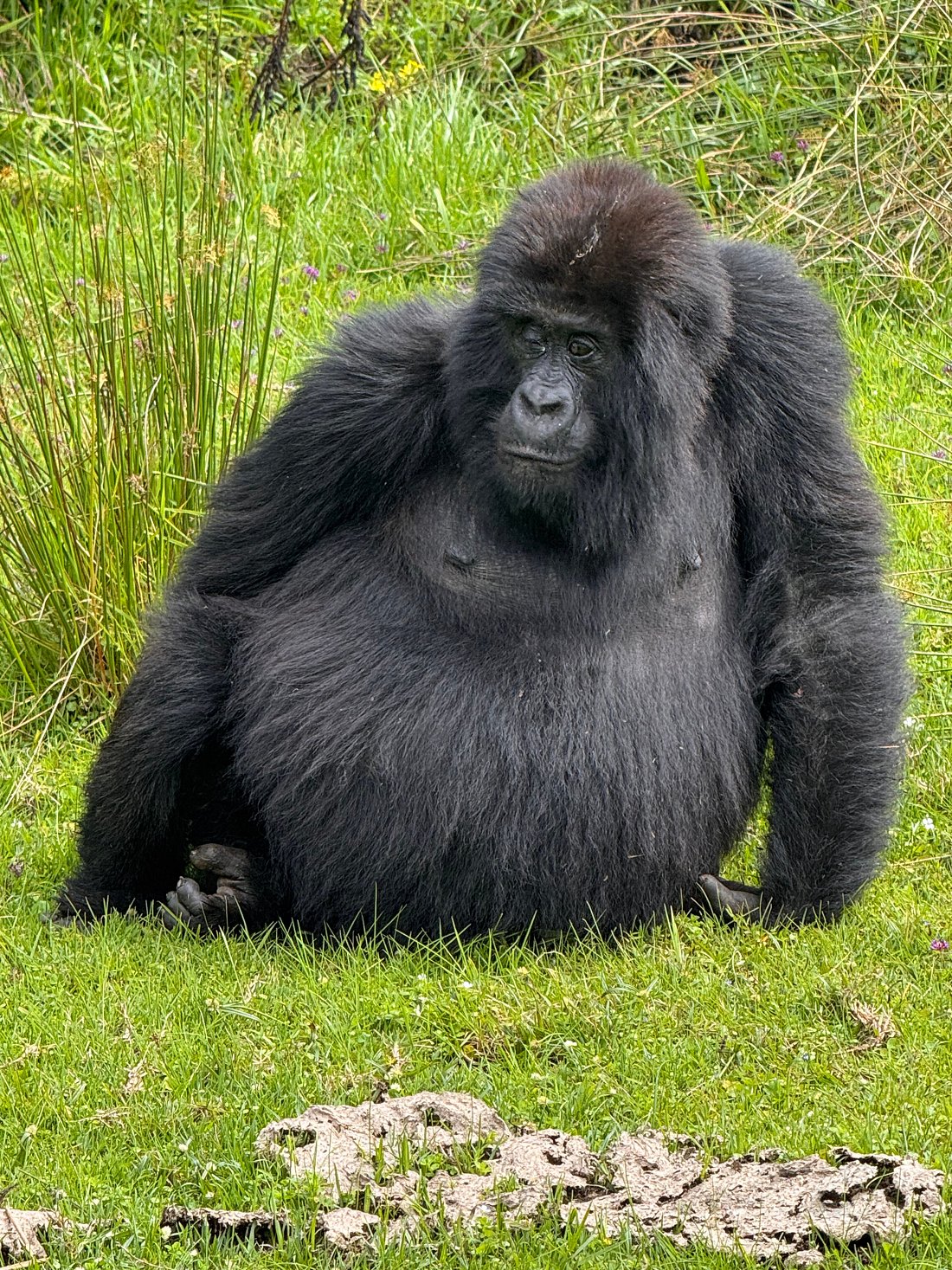
Rwanda vs Uganda Gorilla Trekking – Which Is Better?
Rwanda vs Uganda gorilla trekking is one of the most important decisions travelers face when planning a safari in East Africa. Both countries offer an extraordinary opportunity to see endangered mountain gorillas in their natural habitat, yet the overall experience differs in several key ways. From accessibility and cost to trekking difficulty and accommodation style, understanding these differences will help you choose the destination that matches your expectations.
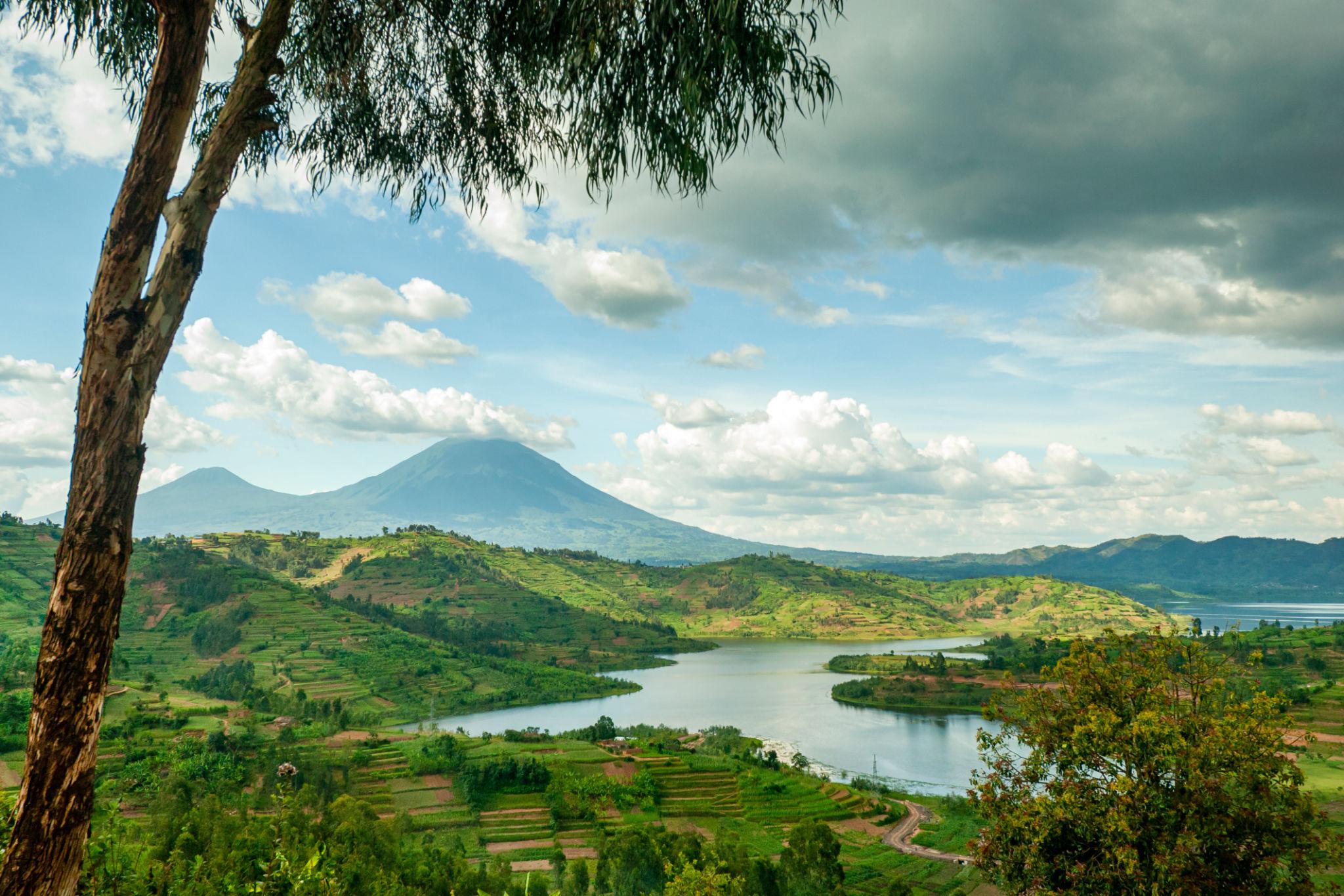
Gorilla trekking in Rwanda takes place in Volcanoes National Park, a scenic park located in the Virunga Mountains just a short drive from Kigali. In Uganda, trekking happens mainly in Bwindi Impenetrable National Park, a vast and ancient rainforest known for its dense vegetation and rugged terrain. While both destinations offer the same magical moment of meeting gorillas face-to-face, the journey leading to that encounter can feel very different.
Rwanda vs Uganda Gorilla Trekking Cost and Value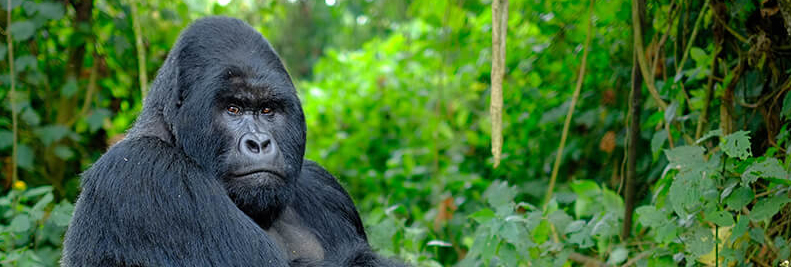
When comparing Rwanda vs Uganda gorilla trekking, cost is often the first factor travelers consider. Rwanda positions itself as a high-end destination, and its gorilla permit is priced at $1,500 per person. Uganda, on the other hand, offers a more affordable alternative with permits costing around $800. This difference makes Uganda highly attractive for travelers looking to experience gorilla trekking without a premium price tag.
However, the overall value goes beyond the permit cost. Rwanda’s proximity to the trekking park means you spend less time traveling and potentially fewer nights in accommodation, which can offset part of the higher permit price. Uganda requires a longer journey, often involving a full day of travel or a domestic flight, which adds to the total expense. For this reason, Rwanda vs Uganda gorilla trekking is not simply a question of price, but rather a balance between cost, time, and convenience.
Accessibility and Travel Experience
Accessibility is where Rwanda clearly stands out in the Rwanda vs Uganda gorilla trekking comparison. Volcanoes National Park is only about two to three hours from Kigali, making it one of the easiest gorilla trekking destinations in Africa to reach. This allows travelers to arrive in the morning and be at the park the same day, or even plan a short two- or three-day trip.
Uganda offers a more remote and immersive journey. Reaching Bwindi Impenetrable National Park from Entebbe or Kampala can take between eight and ten hours by road, passing through changing landscapes of hills, villages, and forests. While this longer journey requires more time and planning, it also provides a deeper sense of adventure and connection to the region. For some travelers, this is part of the appeal when considering Rwanda vs Uganda gorilla trekking.
Trekking Difficulty and Physical Challenge
Another key difference in Rwanda vs Uganda gorilla trekking lies in the trekking conditions. Rwanda’s Volcanoes National Park features more open terrain, including bamboo forests and gentle slopes, which often makes trekking less physically demanding. While the duration of the trek still varies depending on the location of the gorillas, many visitors find Rwanda slightly easier and more manageable.
In contrast, Bwindi Impenetrable National Park in Uganda offers a more challenging trekking experience. The forest is thicker, the trails steeper, and the terrain more rugged. Treks can take longer and require more effort, especially during wet conditions when the ground becomes slippery. For travelers seeking a true adventure and a sense of exploration, this aspect of Rwanda vs Uganda gorilla trekking can make Uganda especially rewarding.
The Gorilla Encounter Experience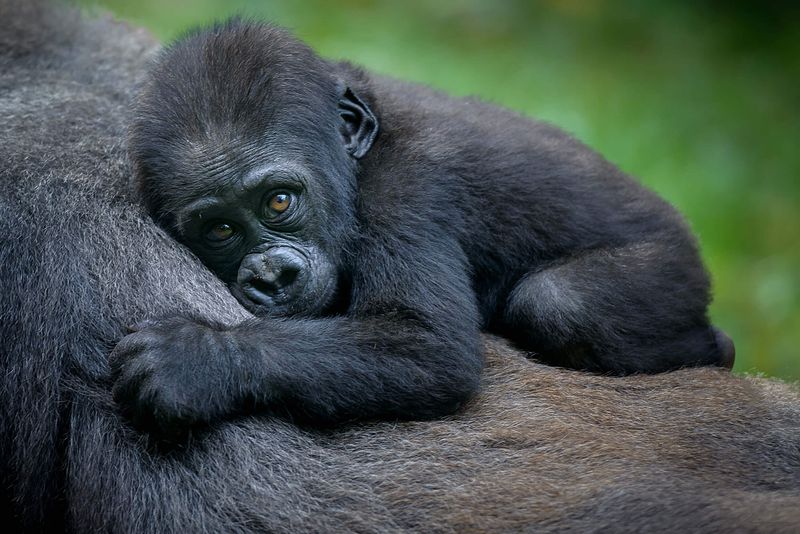
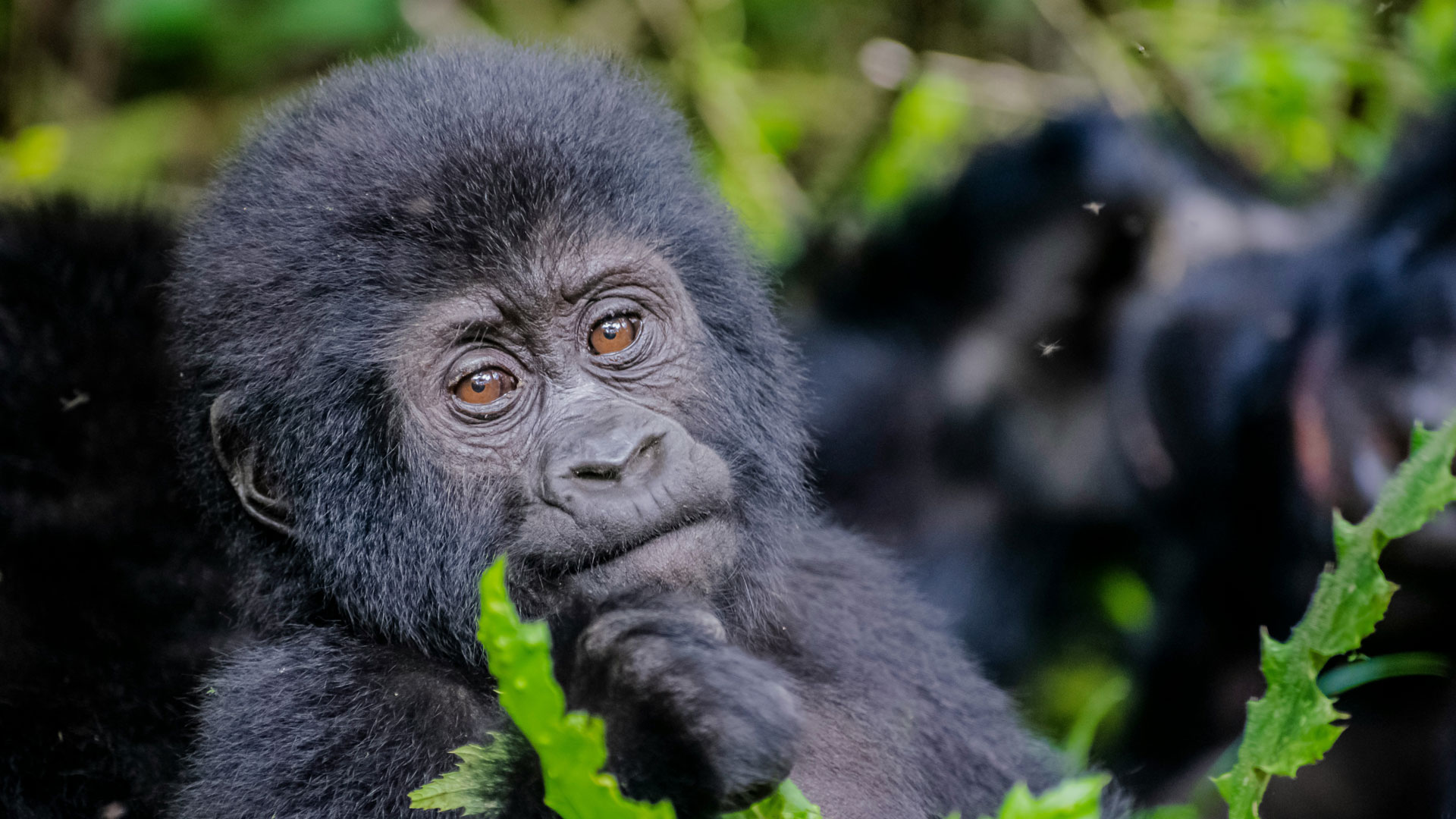
Despite the differences in terrain and logistics, the actual gorilla encounter is remarkably similar in both countries. In both Rwanda and Uganda, visitors spend one hour with a habituated gorilla family once they are located. During this time, you can observe their behavior, watch them interact, and take photographs while following strict conservation guidelines.
Where Uganda adds a unique dimension to Rwanda vs Uganda gorilla trekking is through the gorilla habituation experience. This allows visitors to spend up to four hours with a gorilla group that is still becoming accustomed to human presence. It is a deeper and more immersive experience, though also more physically demanding and slightly more expensive than standard trekking in Uganda.
Accommodation and Safari Style
Accommodation is another area where Rwanda vs Uganda gorilla trekking differs significantly. Rwanda is known for its luxury lodges, offering high-end services, exceptional design, and premium comfort. Staying near Volcanoes National Park often means enjoying world-class hospitality with stunning views of the Virunga Mountains.
Uganda provides a broader range of accommodation options, from budget lodges to mid-range camps and luxury stays. This flexibility allows travelers to design a safari that fits their budget while still enjoying a high-quality experience. As a result, Rwanda vs Uganda gorilla trekking often comes down to whether you prefer a luxury-focused trip or a more varied and customizable travel style.
Wildlife and Safari Combinations
While gorilla trekking is the highlight, many travelers want to combine it with other safari experiences. Uganda stands out in this aspect of Rwanda vs Uganda gorilla trekking, as it offers a wider range of national parks and wildlife encounters. Visitors can easily combine gorilla trekking with game drives, boat safaris, and chimpanzee tracking in parks such as Queen Elizabeth National Park and Murchison Falls National Park.
Rwanda also offers excellent options, including wildlife safaris in Akagera National Park and primate tracking in Nyungwe Forest National Park. However, Uganda generally provides a more extensive and diverse safari circuit, which can be a deciding factor for travelers planning longer trips.
Safety, Organization, and Overall Experience
Both Rwanda and Uganda are safe and well-managed destinations for gorilla trekking. Rwanda is often praised for its cleanliness, infrastructure, and highly organized tourism system. The entire experience feels smooth, efficient, and premium from start to finish.
Uganda offers a slightly more raw and authentic feel, with a stronger sense of wilderness and exploration. This difference in atmosphere is an important consideration in Rwanda vs Uganda gorilla trekking, as it shapes the overall travel experience beyond the trek itself.
Best Time to Visit
The best time for Rwanda vs Uganda gorilla trekking is during the dry seasons, which typically run from June to September and from December to February. During these months, trails are easier to navigate, and visibility is better, making the trekking experience more enjoyable.
That said, gorilla trekking is possible year-round in both countries, and each season offers its own unique atmosphere, especially with lush green landscapes during the rainy months.
Final Verdict – Rwanda vs Uganda Gorilla Trekking
Rwanda vs Uganda gorilla trekking is not about choosing a better destination in absolute terms, but rather finding the one that fits your travel style. Rwanda offers a refined, luxury experience with easy access and shorter travel times, making it ideal for travelers seeking comfort and efficiency. Uganda provides a more adventurous and budget-friendly option, with deeper trekking and a wider range of wildlife experiences.
For many travelers, the best solution is to combine both destinations by starting in Kigali and crossing into Uganda for trekking. This approach allows you to benefit from Rwanda’s accessibility while enjoying Uganda’s affordability and adventure.
Plan Your Gorilla Trekking Safari
📧 Email: info@universalventuresrwanda.com
📞 Phone/WhatsApp: +250781441853
Let Universal Ventures Rwanda help you plan the perfect gorilla trekking experience tailored to your needs.

Related Posts
Comments (0)