
A Rwanda Safari for Small Groups is one of the most rewarding ways to explore…
Why Rwanda Is Called the Land of a Thousand Hills
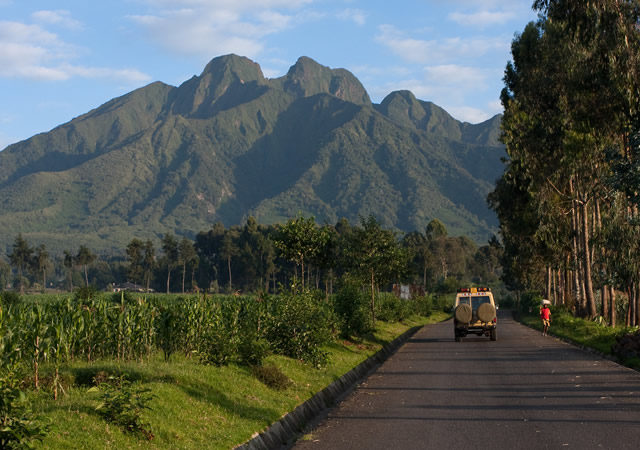
Rwanda is famously known as the “Land of a Thousand Hills”, a name that perfectly reflects its breathtaking natural landscape. From the moment you arrive, you will notice that Rwanda is not flat like many other African countries. Instead, it is covered with rolling hills, lush green valleys, misty mountains, and scenic ridges that stretch as far as the eye can see. This unique geography is what gives Rwanda its poetic nickname and makes it one of the most visually stunning destinations in Africa.
The Meaning Behind “Land of a Thousand Hills”

The phrase “Land of a Thousand Hills” does not literally mean Rwanda has exactly one thousand hills. Instead, it describes the countless hills and undulating terrain that define the country’s landscape. Wherever you travel in Rwanda—whether in rural villages or near urban centers—you will constantly move up and down hills.
This nickname captures the essence of Rwanda’s identity: a country shaped by elevation, beauty, and natural harmony. The hills are not just a geographical feature; they are part of daily life, agriculture, culture, and tourism.
Rwanda’s Unique Geography
Rwanda is located in East-Central Africa and lies within the Albertine Rift, which is part of the larger Great Rift Valley system. This geological formation has created a landscape filled with mountains, hills, and valleys.
One of the most iconic regions is the Virunga Mountains, located in the northwest. These volcanic mountains are home to Volcanoes National Park and the endangered mountain gorillas. The high altitude and volcanic activity have shaped the surrounding hills, making them fertile and green throughout the year.
In contrast, eastern Rwanda, including Akagera National Park, features gently rolling savannah hills, while the southwest is dominated by the dense rainforest of Nyungwe Forest National Park. Despite these regional differences, hills remain a constant feature across the country.
Fertile Hills and Agriculture

The hills of Rwanda are not only beautiful but also incredibly fertile and productive. Over generations, local communities have adapted to the terrain by creating terraced farming systems, which prevent soil erosion and maximize land use.
These hills support the growth of key crops such as coffee, tea, bananas, and maize. In fact, Rwanda’s world-renowned coffee is often grown on these elevated slopes, where the climate and soil conditions are ideal.
Agriculture is deeply connected to Rwanda’s identity, and the hills play a central role in sustaining livelihoods and food production.
Climate and Natural Beauty
Rwanda’s elevation—ranging from about 1,000 to over 4,500 meters above sea level—gives it a cooler and more temperate climate compared to many equatorial countries. The hills help create microclimates, which contribute to the country’s lush greenery and year-round vegetation.
The combination of altitude, rainfall, and fertile soil results in landscapes that are consistently green, earning Rwanda another nickname: the “Land of Eternal Spring.”
Morning mist often covers the hills, especially in mountainous regions, creating dramatic and photogenic scenery that attracts travelers and photographers from around the world.
Hills and Wildlife Tourism

The hills of Rwanda are also essential to its thriving tourism industry. They provide habitats for diverse wildlife and create some of Africa’s most unique safari experiences.
In Volcanoes National Park, the mountainous terrain supports gorilla trekking adventures. In Akagera National Park, rolling hills blend with savannah plains, offering classic safari views. Meanwhile, the forested hills of Nyungwe Forest National Park are home to chimpanzees and rare bird species.
Even Lake Kivu is surrounded by hills, creating spectacular viewpoints and sunset photography opportunities.
Cultural Connection to the Hills
Rwanda’s hills are deeply tied to its culture and way of life. Traditionally, communities are built along hillsides rather than clustered in flat areas. This settlement pattern offers natural protection, better drainage, and scenic views.
The hills also influence social interactions, as people travel between valleys and ridges daily. In many ways, the landscape shapes the rhythm of life in Rwanda.
Conclusion
Rwanda is called the Land of a Thousand Hills because of its endless rolling landscapes that define the country’s geography, culture, and beauty. These hills are more than just a physical feature—they are the heart of Rwanda’s identity, supporting agriculture, enhancing tourism, and creating one of the most scenic environments in Africa.
Whether you are exploring national parks, visiting local communities, or simply driving through the countryside, the hills of Rwanda will leave a lasting impression.
Plan Your Trip to Rwanda
If you are inspired to experience the beauty of the Land of a Thousand Hills, we are ready to help you plan a personalized safari, cultural tour, or photography journey across Rwanda.
Universal Ventures Rwanda
📧 Email: info@universalventuresrwanda.com
📞 Call/WhatsApp: +250 781441853
🌐 Website: www.universalventuresrwanda.com
Our team specializes in customized Rwanda safaris, gorilla trekking tours, and guided travel experiences designed to give you unforgettable memories.

Related Posts
Comments (0)