
Traveling from Kigali to gorilla trekking in Volcanoes National Park is one of the most…
Gorilla Safari Itinerary for Families Rwanda and Uganda
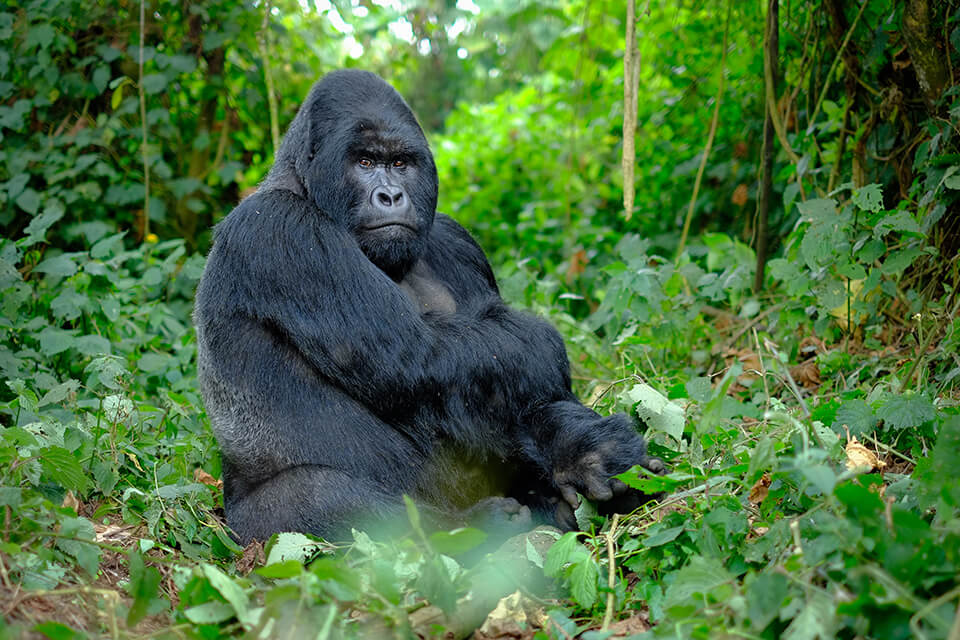
A Gorilla Safari Itinerary for Families Rwanda and Uganda offers much more than a wildlife holiday. It gives parents, teenagers, and adult children a chance to explore ancient forests, meet local communities, see mountain gorillas, and travel through two of East Africa’s most beautiful countries. Families can combine gorilla trekking with golden monkey tracking, boat trips, game drives, cultural visits, and relaxing stays beside Lake Kivu or Lake Bunyonyi.
However, a successful family gorilla safari needs careful planning. Gorilla trekking has a minimum age of 15 in both Rwanda and Uganda. The terrain can also be steep, wet, and uneven. In addition, permits sell quickly, border crossings take time, and long drives may feel tiring for younger travelers. Therefore, the best family safari balances adventure with rest.
This guide explains how to design a safe, comfortable, and memorable Rwanda and Uganda family safari. It includes a recommended 10-day itinerary, shorter and longer alternatives, permit information, accommodation advice, packing tips, travel costs, and suitable activities for children who cannot trek.
Why Choose a Gorilla Safari Itinerary for Families Rwanda and Uganda?
Rwanda and Uganda work very well together because they offer different but complementary experiences. Rwanda provides smooth roads, short travel distances, organized tourism services, and easy access to Volcanoes National Park. Uganda offers several gorilla trekking sectors, a wide choice of lodges, and opportunities to combine primate encounters with classic wildlife safaris.
Together, the two countries create a varied journey. One day, your family may explore Kigali’s museums and art centers. The next day, you could walk through a bamboo forest in search of golden monkeys. Later, you may cross into Uganda and trek through Bwindi Impenetrable National Park. Finally, you can relax beside Lake Bunyonyi or continue to Queen Elizabeth National Park for game drives and a boat safari.
This variety is especially useful for families. Children and teenagers often enjoy a trip more when the activities change from day to day. Forest walks, cultural experiences, scenic drives, wildlife viewing, and free time create a better rhythm than a holiday filled with difficult hikes.
A combined safari also allows families to compare two destinations. Rwanda feels compact and highly accessible. Uganda feels larger, greener, and more adventurous. As a result, travelers experience two different sides of East Africa during one journey.
Is Gorilla Trekking Suitable for Families?
Yes, gorilla trekking can be an excellent family experience. Nevertheless, every participating family member must meet the minimum age requirement and have a reasonable level of mobility.
The minimum age for gorilla tracking in both countries is 15 years. Rwanda’s official tourism website currently lists a minimum tracking age of 15 and a standard international permit price of USD 1,500 per person. Visit Rwanda confirms both conditions. Uganda Wildlife Authority also sets the minimum age for tracking and viewing gorillas at 15. Uganda Wildlife Authority’s primate-tracking guidelines provide the official rule.
Therefore, parents traveling with children under 15 must arrange another supervised activity for them during the trek. A responsible tour operator can organize a lodge-based program, a village experience, a short nature walk, or another age-appropriate excursion with a qualified guide. Parents should never leave younger children alone at the lodge.
Teenagers aged 15 and above can usually join the trek. However, parents should still consider their stamina, confidence, interest in wildlife, and ability to follow ranger instructions. The walk can last from a short period to several hours, depending on the gorillas’ location.
The experience begins early in the morning with registration and a ranger briefing. Visitors then enter the forest in small groups. Once trackers locate the assigned gorilla family, visitors usually spend up to one hour observing it. During that time, everyone must remain calm and follow the ranger’s instructions.
What Makes a Family Gorilla Safari Different?
A family safari requires a different pace from a standard adult tour. Adults traveling alone may accept consecutive early starts, long transfers, and demanding hikes. However, families generally need more rest, more flexible meal times, and more frequent comfort stops.
An effective family itinerary should include the following features:
- No more than one major activity on a demanding travel day
- Comfortable vehicles with enough room for passengers and luggage
- Planned bathroom and refreshment stops
- Family rooms or interconnected rooms
- Flexible meals for younger travelers
- At least one relaxing afternoon after gorilla trekking
- Age-appropriate activities for children under 15
- A guide who communicates well with both adults and young travelers
- Enough time at the Rwanda–Uganda border
- Access to clean drinking water and suitable snacks
These details may appear small. However, they often determine whether the holiday feels exciting or exhausting.
Rwanda or Uganda: Which Is Better for a Family Gorilla Safari?
Both countries provide excellent mountain gorilla experiences. The right choice depends on your family’s ages, budget, available time, and preferred travel style.
Gorilla Trekking in Rwanda for Families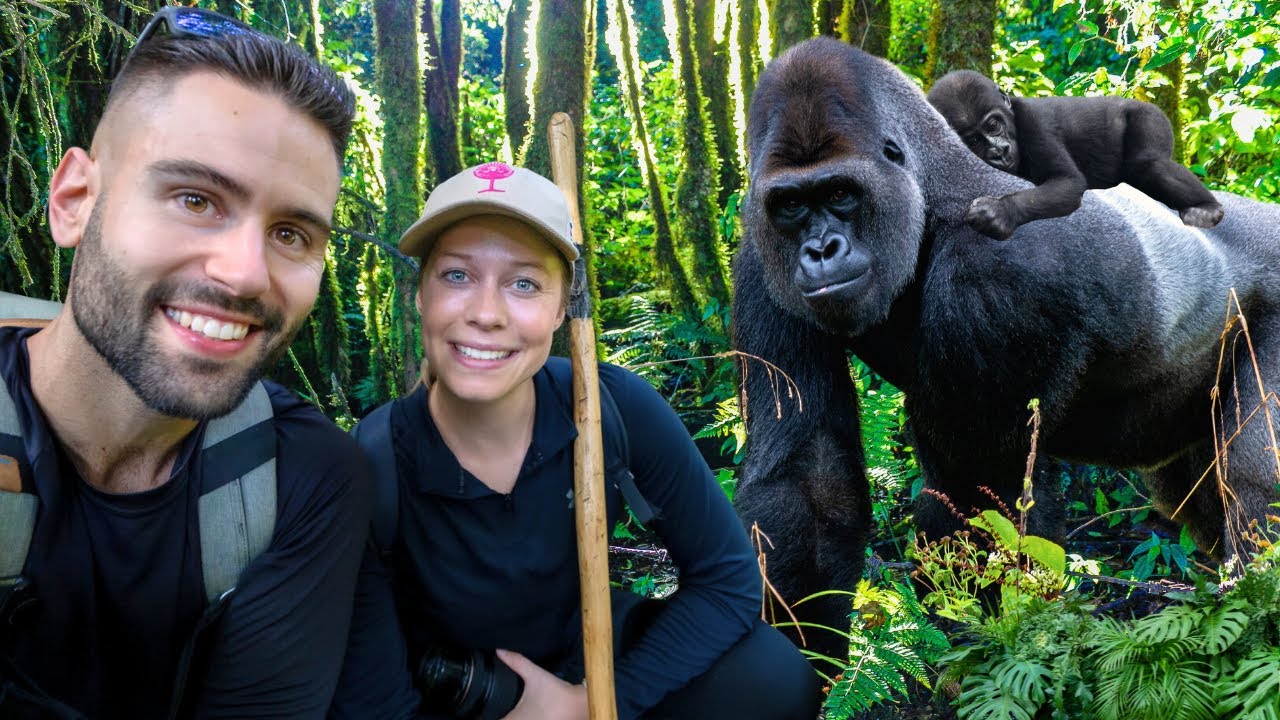
Rwanda’s gorilla trekking takes place in Volcanoes National Park. The main tourism town, Musanze, is normally reached by road from Kigali in about two and a half to three hours, depending on traffic and stops. This short transfer makes Rwanda attractive to families with limited time.
The park headquarters are close to many lodges. Therefore, families do not need to wake up as early as travelers staying far from the park. Roads in the main tourism areas are generally good, and high-quality accommodation is available in several price ranges.
Rwanda is particularly suitable for families that value convenience. A trip can include Kigali, Volcanoes National Park, Lake Kivu, and Akagera National Park without extremely long transfers.
The main limitation is cost. A standard international gorilla permit in Rwanda costs USD 1,500 per person per day. Consequently, a family of four eligible trekkers would spend USD 6,000 on permits alone. Travelers should confirm the applicable permit category and current rate before payment because promotions and resident rates may differ.
Gorilla Trekking in Uganda for Families
Uganda offers gorilla trekking in Bwindi Impenetrable National Park and Mgahinga Gorilla National Park. Bwindi is the more commonly included destination because it has several trekking sectors and a broad range of accommodation.
The four main Bwindi sectors are Buhoma, Ruhija, Rushaga, and Nkuringo. A permit is linked to a particular location. Therefore, families must book accommodation near the correct sector. Staying in the wrong area can create a very long and difficult morning transfer.
Uganda may suit families seeking a longer adventure or a lower permit cost. Under the Uganda Wildlife Authority tariff covering July 2024 through June 2026, a foreign non-resident gorilla permit was listed at USD 800. Because the current date is beyond that tariff period, travelers must request the newest confirmed rate before booking rather than relying on the expired schedule. Uganda Wildlife Authority is the official source for current tariffs.
Uganda also makes it easy to continue to Lake Bunyonyi, Queen Elizabeth National Park, or Kibale National Park. However, driving distances can be longer than they are in Rwanda.
Choosing Between the Two Countries
Choose Rwanda if your family prefers shorter drives, a compact itinerary, easy access, and a high level of comfort. Choose Uganda if your family wants a longer road adventure, more trekking-sector options, and additional wildlife destinations.
Alternatively, combine them. Many families arrive in Kigali, visit Volcanoes National Park, cross into Uganda, and trek in Bwindi. This route reduces the need to drive from Entebbe to Bwindi, which can take most of a day.
Recommended 10-Day Gorilla Safari Itinerary for Families Rwanda and Uganda
The following itinerary provides a balanced combination of education, wildlife, culture, trekking, and relaxation. It is best for families with teenagers aged 15 or older. Families with younger children can still use the itinerary, although alternative activities must be arranged on gorilla trekking day.
Day 1: Arrival in Kigali, Rwanda
Your family arrives at Kigali International Airport, where a professional driver-guide welcomes you. After immigration and luggage collection, you transfer to a comfortable hotel in Kigali.
The first day should remain simple. International flights can leave both adults and children tired. Therefore, avoid placing a long city tour directly after arrival. Check in, rest, enjoy a light meal, and discuss the journey with your guide.
If your flight arrives early, the family may take a short neighborhood drive or enjoy the hotel pool. Still, rest should remain the main priority. A calm first day helps everyone adjust to the time zone and prepare for the adventure.
Overnight in Kigali.
Day 2: Kigali Family Tour and Transfer to Volcanoes National Park
After breakfast, begin a carefully planned Kigali city tour. Older children and teenagers can visit the Kigali Genocide Memorial with their parents. The memorial deals with difficult history, so parents should decide whether the visit is suitable for each child. A guide can explain the context in an age-sensitive and respectful way.
The family may also visit an art center, a local market, or a community enterprise. These lighter activities show modern Rwandan life and balance the serious historical experience.
After lunch, travel north toward Volcanoes National Park. The road passes green hills, cultivated valleys, and busy towns. The journey usually takes around two and a half to three hours, although traffic and stops can affect the time.
Upon arrival, check in at a lodge near Musanze or Kinigi. Families should request interconnected rooms or a family cottage where possible. Enjoy dinner and prepare for the next day.
Overnight near Volcanoes National Park.
Day 3: Golden Monkey Tracking or Family Nature Activities
Golden monkey tracking provides a lively introduction to Volcanoes National Park. These rare primates live mainly in bamboo forest and move quickly through the vegetation. The walk is often less demanding than gorilla trekking, although forest conditions can still be muddy.
Before booking, confirm current minimum-age rules directly with the park or your tour operator. Regulations can change, and the suitability of the activity also depends on the child’s ability to walk quietly and follow instructions.
Family members who do not participate can visit the Ellen DeGeneres Campus of the Dian Fossey Gorilla Fund, explore Musanze, or enjoy a supervised cultural experience. The campus offers an educational introduction to gorilla research and conservation. It can help teenagers understand why trekking rules matter.
In the afternoon, the whole family can reunite for a relaxed lodge experience or a community visit. Avoid adding a hard hike because eligible trekkers need energy for the next morning.
Overnight near Volcanoes National Park.
Day 4: Rwanda Gorilla Trekking and Afternoon Rest
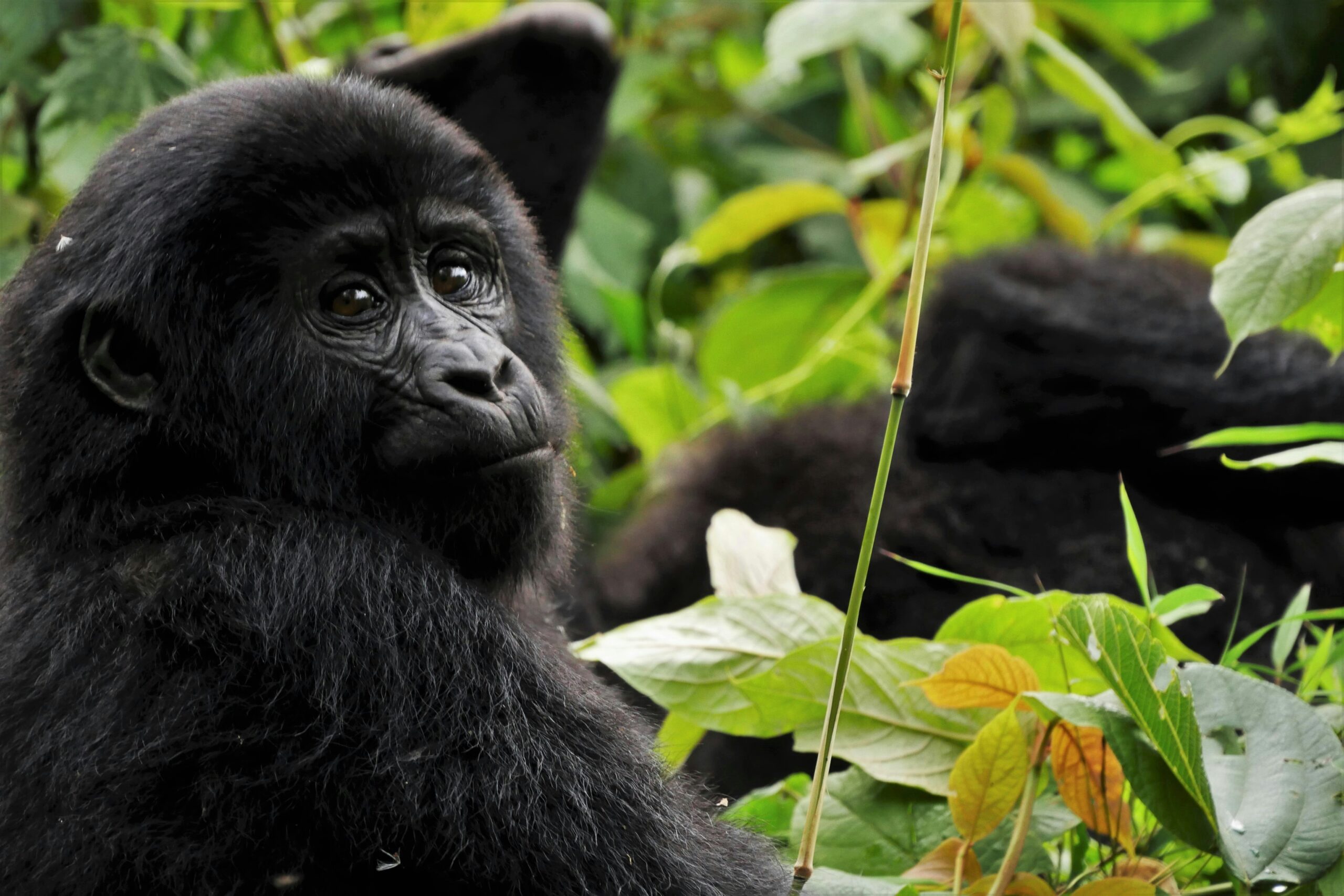
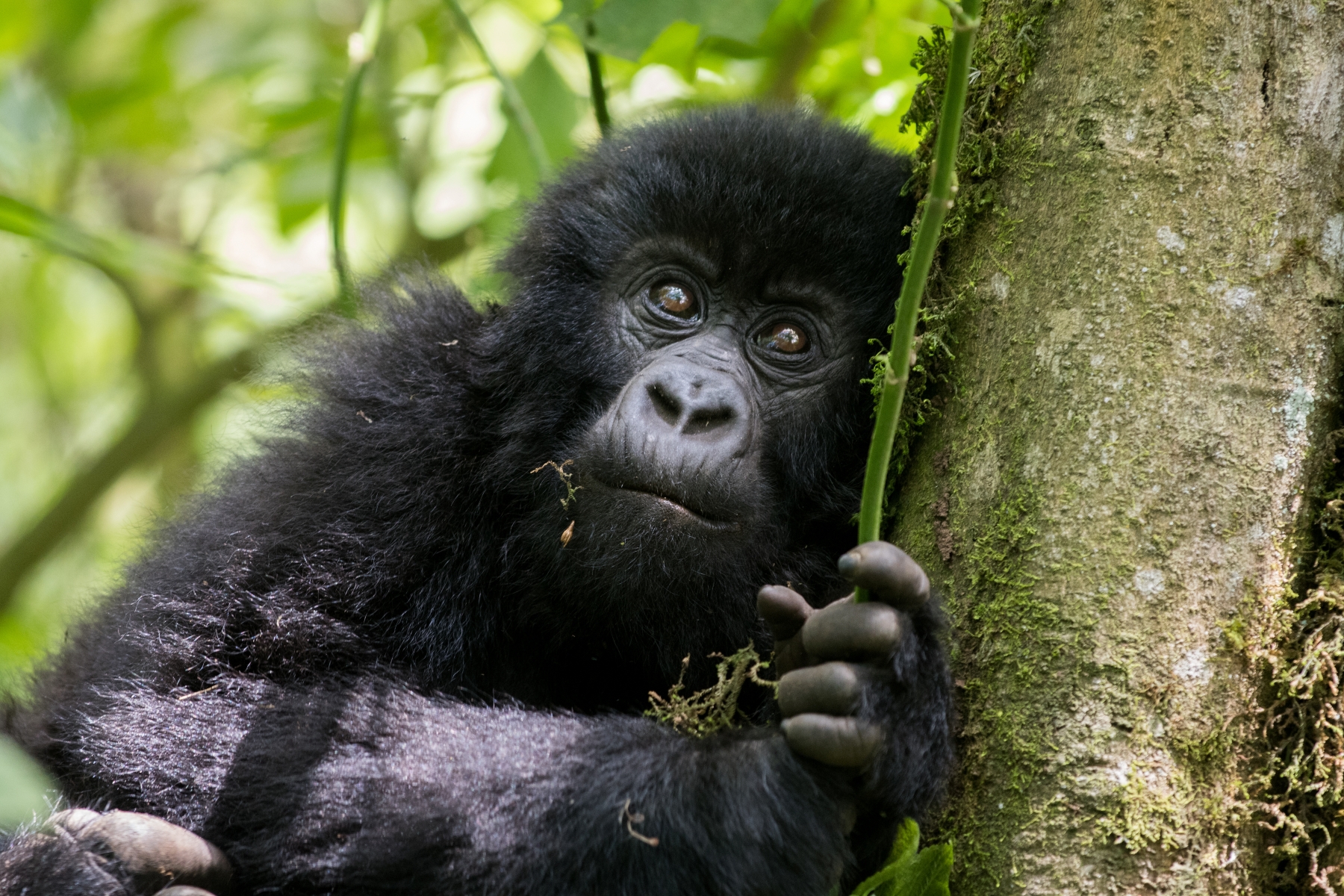
Today is a major highlight of the Gorilla Safari Itinerary for Families Rwanda and Uganda. Eligible family members eat an early breakfast and travel to the park headquarters for registration and a safety briefing.
During registration, your guide may communicate relevant information about the group’s walking ability. Rangers then assign trekkers to available gorilla families. Although an easier trek can be requested, nobody can guarantee the walking distance. Gorillas move freely, and their location changes.
The trek may pass through farmland, bamboo, and thick mountain forest. Conditions can be wet, so waterproof boots and gaiters are useful. Hiring a porter is strongly recommended. Porters carry daypacks, offer support on difficult ground, and earn income through tourism.
Once the group reaches the gorillas, the ranger controls the viewing experience. Visitors should speak quietly, avoid sudden movements, and respect the required distance. If a gorilla moves closer, follow the ranger’s direction instead of moving independently.
Family members under 15 can join a prearranged supervised program. Suitable options may include educational lodge activities, a guided village walk, storytelling, crafts, or a short nature experience. The exact program should be confirmed before the safari.
After trekking, return to the lodge for lunch, showers, and rest. Do not schedule another demanding activity. A calm afternoon allows everyone to discuss the experience and recover.
Overnight near Volcanoes National Park.
Day 5: Twin Lakes, Cultural Experience and Transfer Toward Uganda
After breakfast, visit the Twin Lakes of Burera and Ruhondo or enjoy another gentle scenic experience. These lakes sit below the Virunga volcanoes and provide beautiful views on a clear day.
The visit may include a viewpoint, a short village walk, or a boat activity where conditions and safety arrangements permit. Families should select a program that matches the ages and mobility of all participants.
Later, continue toward the Rwanda–Uganda border. The most suitable crossing depends on the booked Bwindi sector. Families traveling toward Rushaga or Nkuringo often use a route through the southern border region. Those traveling elsewhere may need a different crossing.
Border procedures can take time. Keep passports, visas, vaccination documents, and tour paperwork in an accessible folder. Parents should also carry water, snacks, wipes, and light entertainment for children.
After entering Uganda, continue to a lodge near the assigned Bwindi trekking sector. The final roads can be winding and uneven. Therefore, a reliable four-wheel-drive safari vehicle is important.
Overnight near Bwindi Impenetrable National Park.
Day 6: Uganda Gorilla Trekking in Bwindi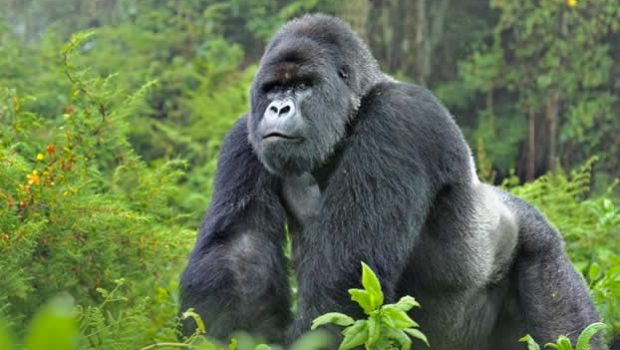
Families who want to trek in both countries can complete a second gorilla experience today. The landscape in Bwindi differs from the bamboo and volcanic scenery of Rwanda. Bwindi is an ancient rainforest with steep ridges, deep valleys, and dense vegetation. UNESCO recognizes it for its exceptional biodiversity, including its endangered mountain gorillas. UNESCO describes the park as a 32,000-hectare site with remarkable plant and animal diversity.
Trekking twice is optional. Some families prefer to trek only once and use the second permit budget for better accommodation, a longer wildlife safari, or extra nights at Lake Bunyonyi.
If you trek again, the day follows a similar structure. After breakfast, travel to the correct sector headquarters. Attend the ranger briefing and enter the forest with your assigned group.
Even if the Rwanda trek was short, the Uganda trek may be longer. Each experience depends on terrain, weather, and the gorillas’ movements. Carry enough water, a packed lunch, rain protection, and any personal medication.
Younger family members should follow a supervised alternative program. Depending on the lodge and location, this could include a community visit, craft activity, guided birding around the lodge, or a safe nature walk outside restricted trekking areas.
Afterward, return to the lodge for a quiet evening.
Overnight near Bwindi.
Day 7: Bwindi Community Experience and Transfer to Lake Bunyonyi
After two possible forest days, the family needs a slower pace. Begin with a responsible community experience near Bwindi. Choose a program that benefits local people and treats cultural traditions with respect.
Activities may include a village walk, craft demonstration, dance performance, farm visit, or meeting with a community guide. Ask whether fees go directly to the participants and whether photography is welcome. Children should learn to request permission before photographing people.
Later, travel to Lake Bunyonyi. The lake is surrounded by terraced hills and small islands. Its calm scenery makes it a popular place to rest after gorilla trekking.
Check in at a family-friendly lodge. Spend the afternoon enjoying the view, playing games, or relaxing together. Boat activities should use established operators, suitable safety equipment, and appropriate supervision.
Overnight at Lake Bunyonyi.
Day 8: Lake Bunyonyi Family Activities
Enjoy a full day around Lake Bunyonyi. After several early starts, let the morning move slowly. Have breakfast with a view and select one or two easy activities.
A guided boat trip can introduce the family to the lake’s islands and communities. Alternatively, take a short hill walk, visit a local project, watch birds, or relax at the lodge.
Families should avoid overloading the day. Free time gives children space to enjoy the holiday in their own way. It also creates a useful weather buffer in case an earlier transfer or activity takes longer than expected.
Overnight at Lake Bunyonyi.
Day 9: Return to Kigali
After breakfast, begin the drive back to Rwanda. Complete border formalities and continue toward Kigali. Your guide should schedule comfort stops along the way.
If time allows, stop for lunch or visit a craft center. However, keep the arrival time in mind. Reaching Kigali before dark provides a more relaxed end to the journey.
Check in at your hotel and enjoy a farewell dinner. The family can review photographs, talk about favorite experiences, and prepare for the flight home.
Overnight in Kigali.
Day 10: Kigali Shopping and Departure
Depending on the flight schedule, spend the morning at leisure. Families may visit a reliable craft shop, enjoy a café, or take a short final city drive.
Your guide then transfers you to Kigali International Airport. Arrive early enough for check-in and departure procedures.
This marks the end of the Gorilla Safari Itinerary for Families Rwanda and Uganda.
A Shorter Seven-Day Family Gorilla Safari
Families with less time can follow a seven-day route:
Day 1: Arrival in Kigali
Arrive, meet your guide, and rest at a Kigali hotel.
Day 2: Kigali to Volcanoes National Park
Take a short city tour before transferring to Musanze or Kinigi.
Day 3: Golden Monkeys and Conservation Experience
Track golden monkeys where suitable, visit a conservation center, and rest.
Day 4: Gorilla Trekking in Rwanda
Eligible travelers trek gorillas while younger children join a supervised alternative program.
Day 5: Transfer to Bwindi, Uganda
Cross the border and continue to the correct Bwindi sector.
Day 6: Bwindi Experience
Choose between a second gorilla trek, community tourism, or a family nature program.
Day 7: Return to Kigali and Depart
Travel back to Kigali. A late flight or final Kigali overnight may be necessary.
This route is possible, but it moves quickly. A family with younger children may find nine or ten days more comfortable.
A Longer 14-Day Rwanda and Uganda Family Safari
A two-week holiday allows families to include classic wildlife experiences without rushing. After the gorilla region, continue through Uganda or add Akagera National Park in Rwanda.
A strong 14-day route may include:
- Two nights in Kigali
- Three nights near Volcanoes National Park
- Two nights near Bwindi
- Two nights at Lake Bunyonyi
- Two nights in Queen Elizabeth National Park
- Two nights in Akagera National Park
- One final night in Kigali
Queen Elizabeth National Park offers game drives and a boat cruise on the Kazinga Channel. Families may see elephants, buffaloes, hippos, crocodiles, antelopes, and many birds. Wildlife sightings are never guaranteed, but the variety keeps the experience exciting.
Akagera National Park provides another excellent family safari. Its savannah, woodland, lakes, and wetlands contrast sharply with the gorilla forests. A boat trip on Lake Ihema and an open-roof game drive can complete the journey.
Choosing the Best Bwindi Gorilla Trekking Sector for Families
Selecting the correct sector is essential because Bwindi is not one single entrance. The sectors sit in different areas, and road travel between them can take hours.
Buhoma Sector
Buhoma is one of Bwindi’s best-known tourism areas. It has a wide range of lodges and established community activities. Families often value its accommodation choices and tourism services.
However, Buhoma is not always the most convenient sector for a short journey from Kigali. The driving route can be longer than the journey to southern Bwindi.
Ruhija Sector
Ruhija lies in eastern Bwindi and is known for high-altitude forest scenery and birdlife. It can work well in an itinerary connecting Bwindi with Kabale or Queen Elizabeth National Park.
The roads may be rough, especially during rainy periods. Families should use an experienced driver and a suitable vehicle.
Rushaga Sector
Rushaga is in southern Bwindi and is commonly used on safaris that begin in Kigali. It offers several accommodation choices and is relatively convenient for cross-border routes.
The landscape is hilly. Therefore, families should choose a lodge close to the briefing point.
Nkuringo Sector
Nkuringo provides dramatic views and access to southern Bwindi. It works well with a Lake Mutanda or Lake Bunyonyi extension.
Some treks can involve steep terrain. Still, the exact challenge varies daily because the gorillas move.
Gorilla Permits and Family Booking Advice
Gorilla permits are limited. Each permit is issued for a specific date and destination. In Uganda, it is also connected to a trekking sector. Families should secure permits before paying for non-refundable flights or finalizing hotels.
Provide the correct passport names and details during booking. Permit authorities may require passport information, and trekkers normally present identification during registration.
A permit generally covers entry for the gorilla experience, ranger guidance, tracking services, and the permitted viewing period. It does not usually include transportation, accommodation, porters, personal equipment, or tips.
Permits are subject to strict cancellation and amendment conditions. Therefore, families should read the applicable policy before payment. Comprehensive travel insurance is strongly recommended, although policy coverage varies.
Because tariffs and promotional conditions can change, always confirm the final price in writing. This is particularly important for Uganda travel after June 2026, since the previously published UWA tariff period ended on that date.
How Far in Advance Should Families Book?
For popular travel months, book six to twelve months in advance. This is particularly important for July, August, Christmas, New Year, Easter, and other school-holiday periods.
Early booking gives the family a better chance of obtaining:
- Gorilla permits on the preferred date
- Rooms near the correct trekking entrance
- Family cottages or interconnected rooms
- A spacious private safari vehicle
- Experienced family guides
- Suitable supervised programs for younger children
- Preferred meal arrangements
Last-minute safaris may still be possible. However, the itinerary will depend on remaining permits and rooms.
Best Time for a Family Gorilla Safari in Rwanda and Uganda
Gorilla trekking operates throughout the year. Each season has benefits and challenges.
June to September
These months are often popular because conditions may be drier. Trails can feel firmer, and many families travel during school holidays. However, this is also a busy period. Permits and family rooms may sell out early.
December to February
This period can also offer relatively favorable trekking conditions. Christmas and New Year dates are popular, so advance reservations remain important.
March to May
These months often bring more rain. Trails may become muddy, and forest walks can feel more demanding. On the positive side, the scenery is green, lodges may be quieter, and some properties offer lower rates.
October and November
Rain is possible, but weather patterns are never completely predictable. Families willing to prepare for wet conditions can still enjoy an excellent safari.
Rain can occur in any month because gorilla habitats are tropical mountain forests. Therefore, waterproof clothing is necessary even during a generally dry season.
Family Accommodation in Rwanda and Uganda
The right lodge should do more than provide a bed. It should reduce travel time, prepare suitable meals, offer secure surroundings, and provide enough space for the family.
Ask about the exact room arrangement before confirming. The term “family room” can mean a cottage, a large room with extra beds, or two connected rooms. Parents should confirm bed types, bathroom arrangements, room distance, and maximum occupancy.
For gorilla trekking nights, location matters more than extra luxury. A beautiful lodge far from the briefing point may create a stressful early drive. Instead, stay close to the correct park entrance.
Useful family features include:
- Interconnected rooms
- Family cottages
- Reliable hot water
- Private bathrooms
- Early breakfast service
- Packed lunch preparation
- Laundry service
- Indoor common areas
- Gardens or safe outdoor space
- Flexible menus
- Electricity for charging devices
- Wi-Fi where available
Power and internet can be less consistent in remote areas. Families should carry power banks and download entertainment before leaving Kigali.
Bathrooms and Comfort Stops During the Safari
Parents often worry about bathroom access, especially when traveling with teenagers. Lodges normally have private bathroom facilities in guest rooms. Standards vary by accommodation category, so request photographs or written details if this is a major concern.
During road transfers, the guide can stop at hotels, restaurants, fuel stations, park facilities, or other suitable locations. Families should tell the guide early rather than waiting for an urgent situation. A private safari allows greater flexibility than shared group transport.
Facilities inside forests are limited. Trekkers should use the bathroom before leaving the park headquarters. If an urgent need arises during the trek, speak privately with the ranger. The ranger will explain the park’s approved procedure while protecting the environment.
Parents can carry tissues, hand sanitizer, wipes, and small disposal bags. However, nothing should be left in the forest.
What to Pack for a Family Gorilla Safari
Pack light, practical clothing that can handle changing weather. Avoid filling suitcases with items that will not be used.
Each trekker should have waterproof hiking boots with good grip. Wear long trousers and a long-sleeved shirt to protect the skin from vegetation and insects. Add a lightweight waterproof jacket, gardening-style gloves, long socks, and gaiters if available.
A small daypack should contain water, a packed lunch, sunscreen, insect repellent, personal medication, and basic camera equipment. Porters can carry the bag and assist on difficult sections.
For the complete holiday, bring:
- Passports and visa documents
- Travel insurance information
- Yellow fever certificates where required
- Copies of permit confirmations
- Comfortable travel clothes
- Warm layers for cool mountain mornings
- Sun hats and sunglasses
- Reusable water bottles
- Chargers and power banks
- Binoculars
- A simple first-aid kit
- Any prescribed medicine
- Wet-weather protection
- Small games or books for driving days
Do not wear camouflage-pattern clothing. Military-style patterns may be restricted or viewed as inappropriate in parts of the region.
Health and Safety for Family Gorilla Trekking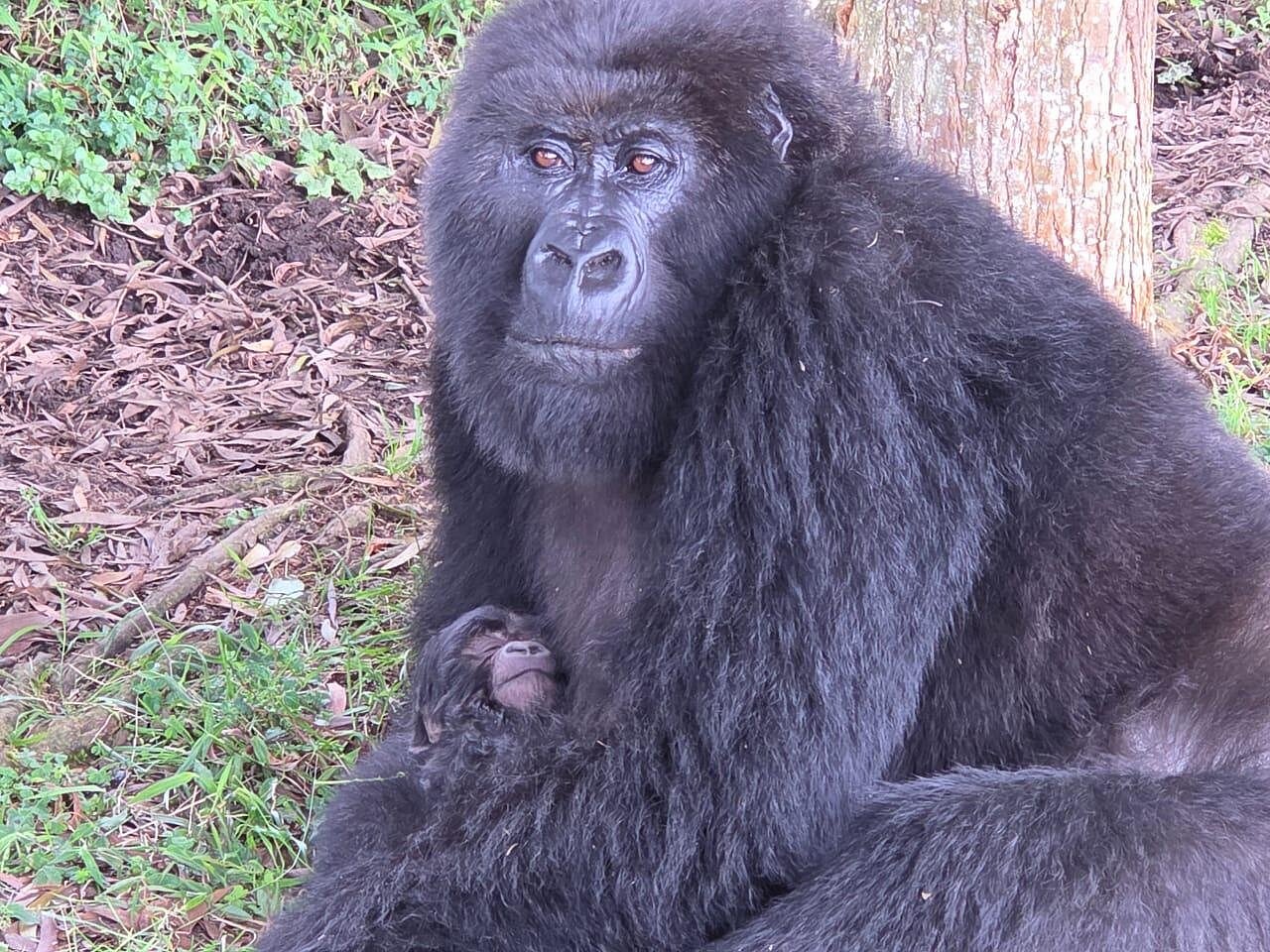
Gorillas can catch some human illnesses. Therefore, anyone who feels unwell must inform the guide or ranger. Do not hide symptoms in an attempt to join the trek. Protecting the gorillas is part of responsible tourism.
Before traveling, families should consult a qualified travel-health professional. Advice may depend on nationality, medical history, travel route, and the countries visited before or after the safari.
Drink treated or bottled water. Wash or sanitize hands before eating. In addition, use insect repellent and follow professional advice about malaria prevention.
During the trek, stay with the ranger group. Do not run, shout, eat near the gorillas, or use flash photography. If a gorilla approaches, remain calm and follow the ranger’s instructions.
Parents should also prepare teenagers for limited phone service. The forest experience requires attention and quiet behavior.
Crossing the Rwanda–Uganda Border as a Family
Families must check visa rules according to each traveler’s passport. Requirements can change, so consult official immigration sources before departure.
The East Africa Tourist Visa may suit eligible visitors who plan to travel between Rwanda, Uganda, and Kenya. Rwanda’s immigration authority states that it costs USD 100, remains valid for 90 days, and permits multiple entry while the holder stays within the participating countries. It also states that travelers applying before arrival must first enter through the country that issued the visa. Rwanda Directorate General of Immigration and Emigration provides the official details.
Check every child’s passport validity. Parents traveling without the child’s other legal guardian should also confirm whether consent documents or birth certificates are required by airlines or border authorities.
Keep these items together:
- Valid passports
- Visa approvals
- Yellow fever certificates
- Travel itinerary
- Accommodation information
- Emergency contacts
- Parental-consent documents where applicable
- Copies stored separately from the originals
Estimated Cost of a Family Gorilla Safari
The total price depends on group size, permit choice, accommodation level, season, vehicle type, and the number of activities.
Gorilla permits usually form the largest single cost. A family of four international visitors trekking in Rwanda at the standard USD 1,500 rate would pay USD 6,000 for one trek. Uganda may cost less, but travelers must verify the tariff that applies to their date and residency category.
Other major costs include:
- Private four-wheel-drive transportation
- Professional driver-guide
- Accommodation and meals
- Park entrance fees
- Border transfers
- Golden monkey permits
- Boat trips
- Cultural activities
- Airport transfers
- Drinking water
- Administrative and logistical services
A private family tour often offers better value than buying separate transfers. The vehicle remains available for comfort stops, luggage, border travel, and itinerary changes.
When comparing quotations, check whether the price includes taxes, permits, meals, bottled water, park fees, and border transportation. A low initial price may exclude essential items.
How to Reduce the Cost Without Reducing Quality
Families can manage their budget in several ways.
First, complete one gorilla trek instead of trekking in both countries. A second trek is rewarding, but it is not necessary for every family.
Second, choose comfortable midrange lodges near the park rather than luxury lodges farther away. Location and service often matter more than elaborate facilities.
Third, travel as one private group. Transport costs can be shared across the family.
Fourth, limit domestic flights. Road travel from Kigali to the gorilla regions can be practical and scenic.
Finally, book early. Better room availability allows more choice across different price levels.
Never reduce costs by using unlicensed guides, uncertain permits, unsuitable vehicles, or unsupervised childcare.
Responsible Family Travel and Gorilla Conservation
A gorilla safari gives parents an excellent opportunity to teach children about conservation. Before the trip, explain that the forest is the gorillas’ home. Visitors must adapt their behavior rather than expecting wildlife to perform for them.
Use licensed guides and authorized permits. Follow ranger instructions, stay on approved routes, and avoid littering. Support community-run tourism activities that offer clear benefits to residents.
During cultural visits, encourage children to ask respectful questions. Avoid treating communities as entertainment. A good experience should involve learning, conversation, and fair payment.
Families should also keep a responsible distance from wildlife. Never request physical contact or attempt to attract an animal for a photograph.
Photography Tips for Families
Forest photography can be challenging because light levels are low and vegetation is dense. Prepare the camera before reaching the gorillas so you do not waste the viewing period changing settings.
Flash photography is not allowed. Use a camera that performs well in low light, and carry spare batteries. A moderate zoom lens is usually more practical than very heavy equipment.
Protect cameras from rain with a waterproof cover or dry bag. Phones can also produce good images, although families should spend time observing with their own eyes.
Teenagers may enjoy creating a photo journal. They can record landscapes, plants, signs, meals, and family moments rather than concentrating only on gorillas.
Common Mistakes to Avoid
One common mistake is planning too many activities. Early starts and long drives can make children tired. Build in free afternoons and slower mornings.
Another mistake is booking the wrong Bwindi sector. Always match the lodge, permit, and briefing point.
Some families also underestimate the trek. Regular walking before the trip can improve confidence, but the goal should be safe preparation and comfort—not extreme training.
Do not assume an easier gorilla group can be guaranteed. Rangers may consider a visitor’s mobility, yet the animals’ movements remain unpredictable.
Finally, do not arrange informal childcare at the last minute. Younger children need a planned, supervised, and age-appropriate program.
Frequently Asked Questions
What is the minimum age for gorilla trekking?
The minimum age is 15 in both Rwanda and Uganda. Confirm the rule again before booking because park regulations may be updated.
Can a child who is almost 15 join the trek?
Do not assume an exception will be granted. The family should follow the official minimum-age rule and plan an alternative activity.
Which country offers easier gorilla trekking?
Neither country can guarantee an easy trek. Rwanda often offers shorter road access, while the trekking distance itself depends on the gorillas’ location. Bwindi terrain varies by sector and daily conditions.
Can grandparents join a family gorilla safari?
Yes, provided they meet the age, health, and mobility requirements. Discuss walking ability honestly with the tour operator. Porters can provide valuable support, but they cannot remove every challenge.
How long do visitors stay with the gorillas?
Standard gorilla tracking normally allows up to one hour with the assigned gorilla family once it is located. Ranger instructions and exceptional circumstances may affect the experience.
Are gorilla sightings guaranteed?
Trackers monitor habituated gorilla families, so the success rate is generally high. However, gorillas are wild animals. No responsible operator should promise a completely guaranteed sighting.
Can families trek gorillas in Rwanda and Uganda on the same holiday?
Yes. This is one of the main benefits of a cross-border itinerary. Allow enough time for rest, border procedures, and the transfer between parks.
Is the safari safe for children?
A professionally organized safari can be suitable for families. Safety depends on using trained guides, suitable vehicles, secure accommodation, planned supervision, and age-appropriate activities.
Do family members need hiking experience?
Advanced hiking experience is not essential. However, trekkers should feel comfortable walking on muddy, uneven, and sometimes steep ground.
Should we hire porters?
Yes. Porters carry bags and provide support on difficult ground. Hiring them also directs tourism income to people living near the parks.
What happens if it rains?
Trekking usually continues in rain unless park authorities decide conditions are unsafe. Carry waterproof clothing and protect cameras and documents.
Can children under 15 enter the national parks?
They may join other permitted park or community activities, but they cannot participate in gorilla tracking. Activity-specific age rules must be checked separately.
Final Thoughts on a Gorilla Safari Itinerary for Families Rwanda and Uganda
A carefully designed Gorilla Safari Itinerary for Families Rwanda and Uganda can become one of the most meaningful journeys a family takes together. The holiday combines rare wildlife, striking landscapes, cultural learning, conservation education, and shared adventure.
The key is balance. Allow enough time between activities. Match accommodation to the correct trekking entrance. Confirm age restrictions before paying for permits. In addition, arrange engaging supervision for younger children and use a reliable private vehicle for border travel.
Rwanda offers convenience, short transfers, and excellent tourism infrastructure. Uganda adds ancient rainforest, diverse trekking sectors, and wider safari possibilities. When combined thoughtfully, the two destinations create a rich family experience without unnecessary pressure.
Universal Ventures Rwanda can customize this family gorilla safari according to the children’s ages, preferred accommodation level, available travel time, trekking ability, and budget. A personalized plan can include Rwanda, Uganda, or both countries, with suitable alternative activities for family members who are too young to trek.
Book Your Family Gorilla Safari with Universal Ventures Rwanda
Universal Ventures Rwanda organizes private and tailor-made family safaris across Rwanda and Uganda. The company can arrange gorilla permits, family-friendly accommodation, private four-wheel-drive transportation, professional driver-guides, border assistance, cultural experiences, and supervised activities for children who are too young to trek.
Every Gorilla Safari Itinerary for Families Rwanda and Uganda can be adjusted according to your children’s ages, travel dates, preferred hotels, fitness levels, and budget. Families may choose a short gorilla tour from Kigali, a relaxed 10-day cross-border journey, or a longer safari that includes Akagera National Park, Lake Kivu, Lake Bunyonyi, Queen Elizabeth National Park, and Bwindi Impenetrable National Park.
Universal Ventures Rwanda
Address: KN 15 Road, opposite the IPRC entrance, 1st Floor, SANGWA Plaza, Kigali, Rwanda
Telephone/WhatsApp: +250 781 441 853
Email: info@universalventuresrwanda.com
Website: www.universalventuresrwanda.com

Related Posts

Comments (0)