
A Rwanda Safari for Small Groups is one of the most rewarding ways to explore…
Responsible Tourism & Conservation in Rwanda
Responsible tourism & conservation in Rwanda stand as one of Africa’s most inspiring success stories, demonstrating how tourism, when managed ethically and sustainably, can become a powerful engine for wildlife protection, environmental preservation, and community development. Rwanda has deliberately chosen a tourism model that values conservation over mass numbers, long-term impact over short-term profit, and shared benefits over exploitation. As a result, travelers to Rwanda are not just visitors—they become active contributors to conservation and social progress.
Today, responsible tourism in Rwanda is deeply embedded in national policy, park management, and tourism operations. From mountain gorilla conservation in the Volcanoes Mountain to savannah restoration in Akagera national park and rainforest protection in Nyungwe national park, every safari and nature-based experience plays a direct role in protecting ecosystems and improving local livelihoods. This approach has positioned Rwanda as a global leader in sustainable tourism in Africa.
This comprehensive guide explains how Rwanda conservation tourism works, why it matters, and how travelers can experience Rwanda ethically while making a meaningful positive impact.
Understanding Responsible Tourism in Rwanda
Responsible tourism in Rwanda is built on the principle that tourism must benefit nature, people, and visitors equally. It goes beyond eco-friendly practices to include social responsibility, cultural respect, and economic inclusion.
Core Pillars of Responsible Tourism in Rwanda
- Wildlife conservation and habitat protection
- Community-based tourism and revenue sharing
- Sustainable tourism development
- Ethical wildlife encounters
- Environmental responsibility and climate awareness
These pillars ensure that eco-friendly safaris in Rwanda protect biodiversity while improving the quality of life for communities living near protected areas.
Why Rwanda Is a Global Leader in Conservation Tourism
Rwanda’s conservation achievements are not accidental. They result from strong governance, strict enforcement of park regulations, and close collaboration between government, conservation organizations, and local communities.
Low-Volume, High-Value Tourism Model
Instead of mass tourism, Rwanda has adopted a low-volume, high-value approach. Fewer visitors are allowed into sensitive ecosystems, but tourism revenue remains strong. This reduces environmental pressure while generating sufficient funds for conservation, park management, and community projects.
Strong Protection of Natural Areas
National parks are well managed, ranger teams are well trained, and anti-poaching efforts are highly effective. Tourism revenue directly supports patrols, scientific research, and habitat restoration, reinforcing the link between travel and conservation.
Gorilla Conservation in Rwanda – A Global Conservation Success
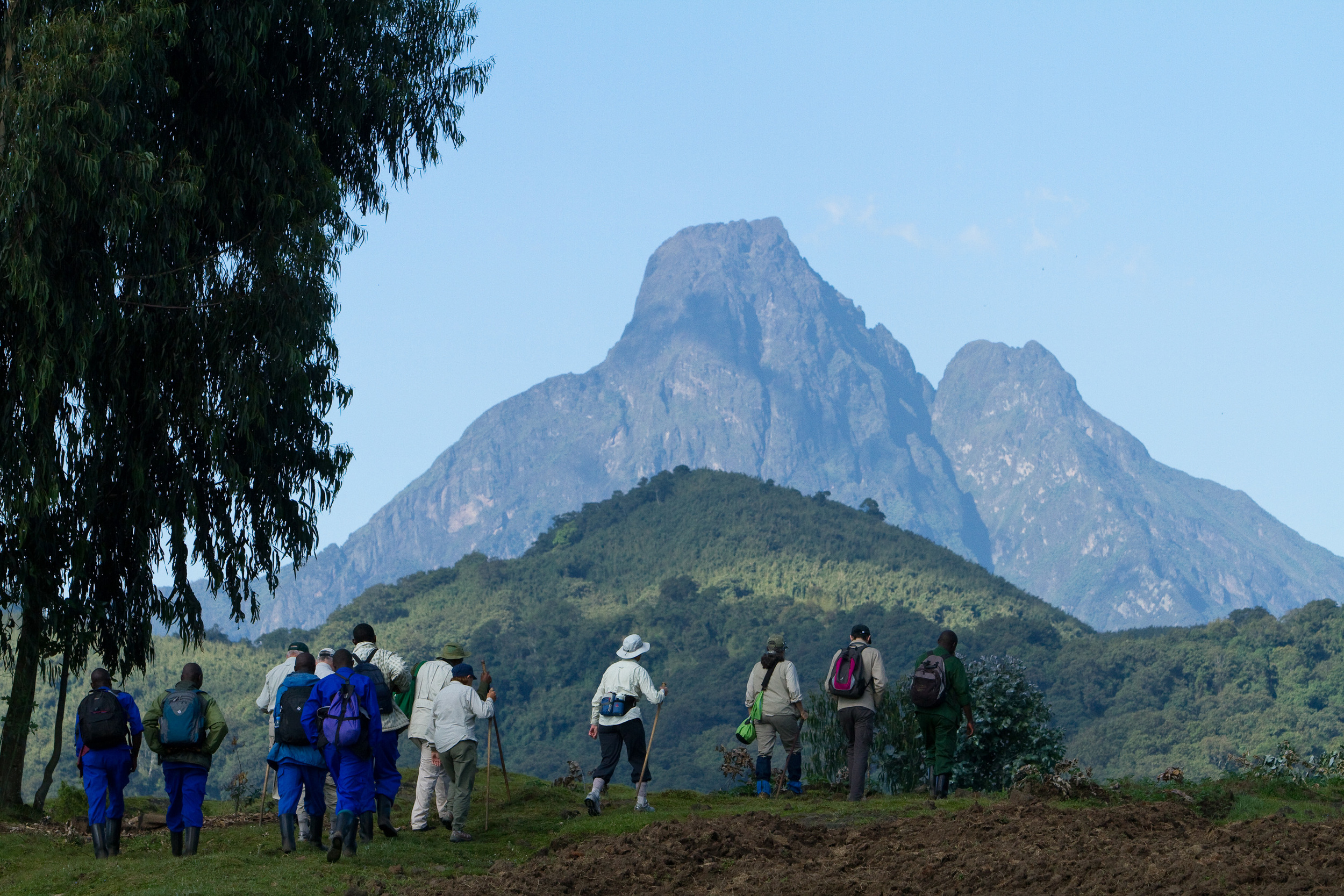
Gorilla conservation in Rwanda is one of the strongest examples of how responsible tourism can save a species from extinction. In Volcanoes National Park, carefully managed gorilla trekking generates vital funding for conservation while minimizing disturbance to the animals.
How Responsible Tourism Protects Gorillas
- Limited daily trekking permits
- Small trekking groups
- Strict health and distance rules
- High permit fees reinvested into conservation
- Support for veterinary care and research
Revenue from gorilla tourism funds ranger salaries, forest protection, veterinary interventions, and community projects, ensuring local people benefit from conservation rather than competing with it.
Akagera National Park – Conservation Through Sustainable Safaris
Akagera National Park illustrates how Akagera conservation safaris have transformed a once-degraded ecosystem into a thriving wildlife destination. Through conservation partnerships and responsible tourism, Akagera has been fully restored.
Conservation Achievements in Akagera
- Reintroduction of lions and rhinos
- Effective anti-poaching operations
- Restoration of savannah habitats
- Community engagement and employment
Tourism revenue supports park protection and local development, proving that wildlife conservation in Rwanda can coexist with economic growth.
Nyungwe Rainforest Conservation – Protecting Biodiversity and Climate

Nyungwe National Park is one of Africa’s oldest rainforests and a cornerstone of Nyungwe rainforest conservation. Responsible tourism here focuses on low-impact activities such as chimpanzee tracking, canopy walks, and guided forest hikes.
Nyungwe plays a vital role in:
- Biodiversity conservation
- Water catchment protection
- Climate regulation and carbon storage
- Scientific research and education
Tourism revenue ensures this critical ecosystem remains protected while supporting nearby communities.
Community-Based Tourism in Rwanda – Conservation With People at the Center
A defining feature of community-based tourism in Rwanda is the belief that conservation succeeds only when local communities benefit directly.
Revenue Sharing Programs
A percentage of national park revenue is allocated to surrounding communities to fund:
- Schools and health facilities
- Clean water projects
- Roads and infrastructure
- Alternative livelihoods
This reduces human-wildlife conflict and builds strong local support for conservation.
Cultural & Experiential Tourism
Community visits, cultural centers, and cooperatives allow travelers to experience Rwanda authentically while generating income for local families. These experiences promote cultural pride and economic resilience.
Sustainable Lodges & Eco-Friendly Safaris in Rwanda
Sustainable tourism in Rwanda extends to accommodation and operations. Many lodges and safari camps embrace eco-conscious practices such as:
- Solar energy and energy efficiency
- Rainwater harvesting
- Waste reduction and recycling
- Locally sourced food and materials
- Employment and training of local staff
Choosing eco-friendly safaris in Rwanda ensures that your stay aligns with conservation values.
Ethical Wildlife Tourism in Rwanda
Rwanda enforces strict rules to ensure ethical travel in Rwanda. Wildlife experiences prioritize animal welfare and natural behavior. There are:
- No animal performances
- No feeding or touching wildlife
- No exploitative attractions
All encounters are guided, regulated, and conservation-focused, reinforcing Rwanda’s reputation as a responsible safari destination.
How Travelers Can Support Responsible Tourism in Rwanda
Visitors play a crucial role in conservation success.
Responsible Travel Tips
- Follow park rules and guide instructions
- Avoid single-use plastics
- Respect local cultures and traditions
- Choose licensed, ethical tour operators
- Support community-run initiatives
Small choices collectively make a significant difference.
The Role of Ethical Tour Operators
Tour operators are key drivers of responsible tourism & conservation in Rwanda. Ethical operators:
- Employ local guides and staff
- Support conservation initiatives
- Promote fair wages and training
- Minimize environmental impact
Choosing the right operator ensures your trip contributes positively to Rwanda’s conservation goals.
The Future of Responsible Tourism in Rwanda
Rwanda continues to invest in conservation innovation, environmental education, and sustainable tourism infrastructure. With strong policies and global partnerships, Rwanda is shaping a future where tourism protects nature while improving lives.
As awareness of sustainable travel grows worldwide, Rwanda remains a model destination for travelers seeking meaningful, ethical experiences.
Why Responsible Tourism & Conservation in Rwanda Matter
Responsible tourism & conservation in Rwanda demonstrate that tourism can be a force for good. Every gorilla trek, conservation safari, and community visit helps protect wildlife, preserve ecosystems, and empower local people. By choosing Rwanda, travelers actively participate in one of the world’s most successful conservation-driven tourism models.
Related High-Value Keywords Used
- Responsible tourism in Rwanda
- Rwanda conservation tourism
- Sustainable tourism in Rwanda
- Eco-friendly safaris Rwanda
- Wildlife conservation in Rwanda
- Community-based tourism Rwanda
- Ethical travel in Rwanda
- Gorilla conservation Rwanda
- Akagera conservation safari
- Nyungwe rainforest conservation
More Information & Responsible Safari Planning
For more information about responsible tourism & conservation in Rwanda, ethical safari planning, and sustainable travel experiences:
📞 Phone / WhatsApp: +250781441853
📧 Email: info@universaljourneysrwanda.com
Travel responsibly. Protect wildlife. Support communities. Discover Rwanda sustainably.

Related Posts
Rwanda is famously known as the “Land of a Thousand Hills”, a name that perfectly…
Rwanda has long been recognized as one of Africa’s safest and most organized destinations, and…
Comments (0)