
Traveling from Kigali to gorilla trekking in Volcanoes National Park is one of the most…
Student Gorilla Safari Trips Rwanda and Uganda
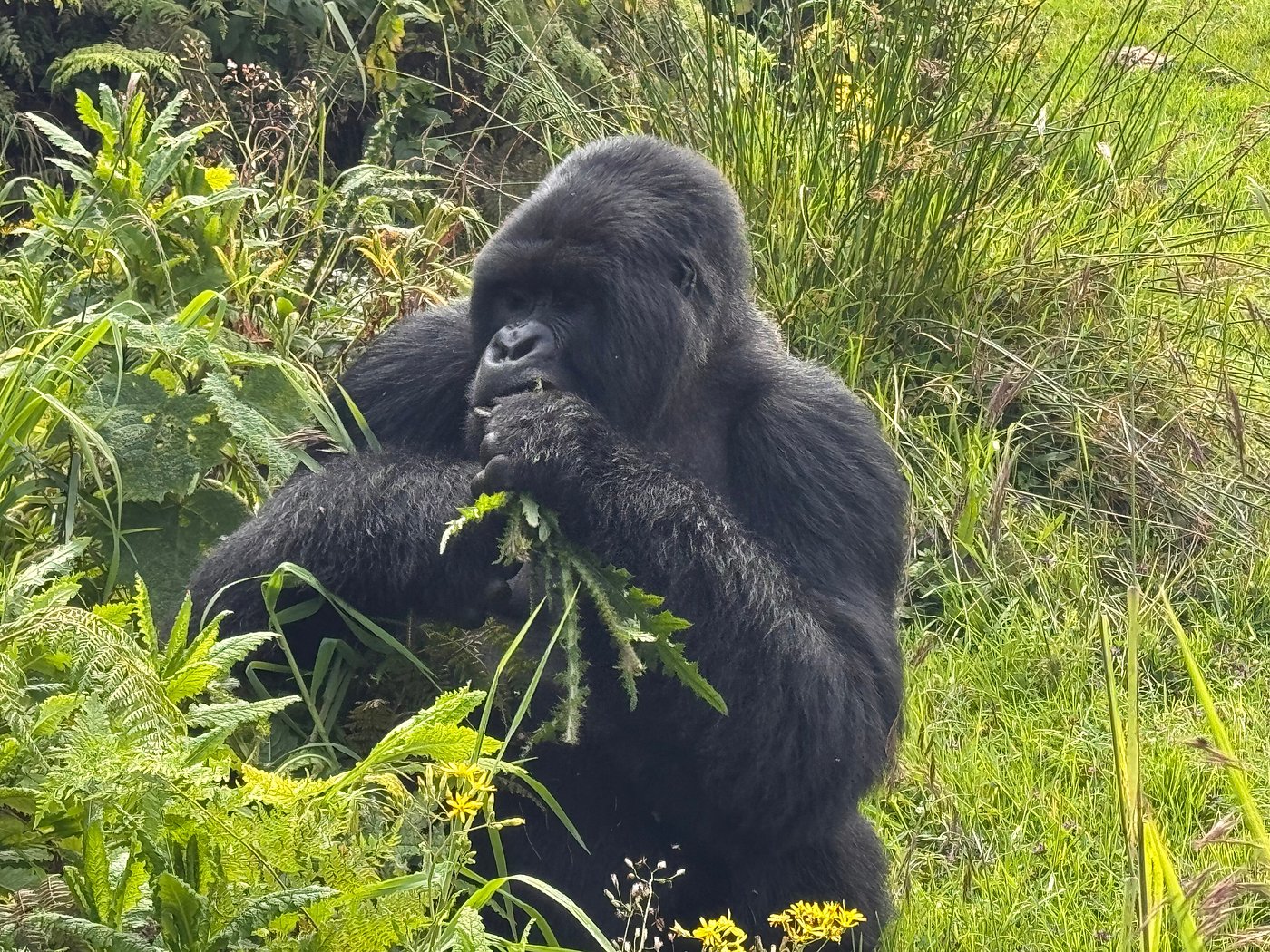
Well-planned Student Gorilla Safari Trips Rwanda and Uganda combine education with adventure. Students can track mountain gorillas, meet conservation experts, explore tropical forests, visit community projects, study African history, and discover the landscapes of the Albertine Rift. They can also take part in guided discussions, field observations, cultural exchanges, and wildlife identification exercises.
Mountain gorilla trekking is much more than a wildlife activity. For students, it can become a living classroom where biology, conservation, geography, history, culture, and responsible tourism meet. Instead of learning only from textbooks, students enter the misty forests of Rwanda or Uganda and observe how ecosystems, local communities, governments, researchers, and tourism businesses work together to protect an endangered species.
Rwanda and Uganda are two of the best destinations for educational gorilla tours. Rwanda offers convenient access to Volcanoes National Park from Kigali, while Uganda offers several trekking sectors in Bwindi Impenetrable National Park and an alternative experience in Mgahinga Gorilla National Park. Both countries provide opportunities for schools, universities, research groups, conservation clubs, and young travelers to build meaningful educational programs.
However, student gorilla trips require careful preparation. Gorilla trekking has a minimum age requirement of 15 years in Rwanda, and the same general rule applies in Uganda. Permits are limited, physical preparation is important, and strict health and conservation rules must be followed.
This complete guide explains how to plan safe, educational, responsible, and affordable student gorilla safaris in Rwanda and Uganda.
Why Choose Student Gorilla Safari Trips Rwanda and Uganda?
A student safari should offer more than photographs and wildlife sightings. It should help students understand the places they visit, the environmental challenges facing those destinations, and the role that responsible tourism can play in conservation.
Gorilla safaris are especially valuable because mountain gorilla protection involves many connected subjects. Students learn about wildlife biology, habitat conservation, veterinary medicine, community development, tourism economics, geography, climate, and international cooperation.
Mountain gorillas live naturally in only a small part of Central and East Africa. They are found in the forests shared by Rwanda, Uganda, and the Democratic Republic of the Congo. Rwanda and Uganda have developed regulated tourism systems that allow visitors to see habituated gorilla families under controlled conditions.
During a student trip, participants can examine how governments and conservation organizations protect habitats while creating economic opportunities for nearby communities. They can also explore the challenges of balancing tourism growth with animal welfare and environmental protection.
The main reasons to organize student gorilla safari trips include:
- Direct exposure to mountain gorillas in their natural habitat
- Practical lessons in biology, ecology, and conservation
- Opportunities to learn from local guides, trackers, and community leaders
- Cultural exchange with Rwandan and Ugandan communities
- Field experience for tourism, geography, and environmental students
- Visits to conservation centers, historical sites, and community projects
- Development of teamwork, patience, observation, and communication skills
- Support for protected areas and local employment
- Greater understanding of responsible travel
- Memorable experiences that can inspire future studies and careers
Students often remember information more clearly when they connect it to a real experience. Seeing a gorilla family communicate, feed, rest, and move through the forest can make lessons about primate behavior far more meaningful.
What Makes a Student Gorilla Safari Educational?
A gorilla trek is the central experience, but it should not be the only educational element. A strong student itinerary includes preparation before the trek, guided learning during the journey, and reflection afterward.
Before entering the park, students can learn about gorilla classification, behavior, habitat, diet, family structure, and conservation status. They can prepare research questions and study maps showing the remaining mountain gorilla habitats.
During the trek, professional trackers and park guides explain signs found in the forest. These may include footprints, feeding remains, nests, broken vegetation, and animal calls. Guides may also identify trees, birds, monkeys, and other forest species.
After the trek, students can discuss what they observed. They may compare their expectations with the real experience, examine the effects of tourism on conservation, or create reports and presentations.
An educational program may include: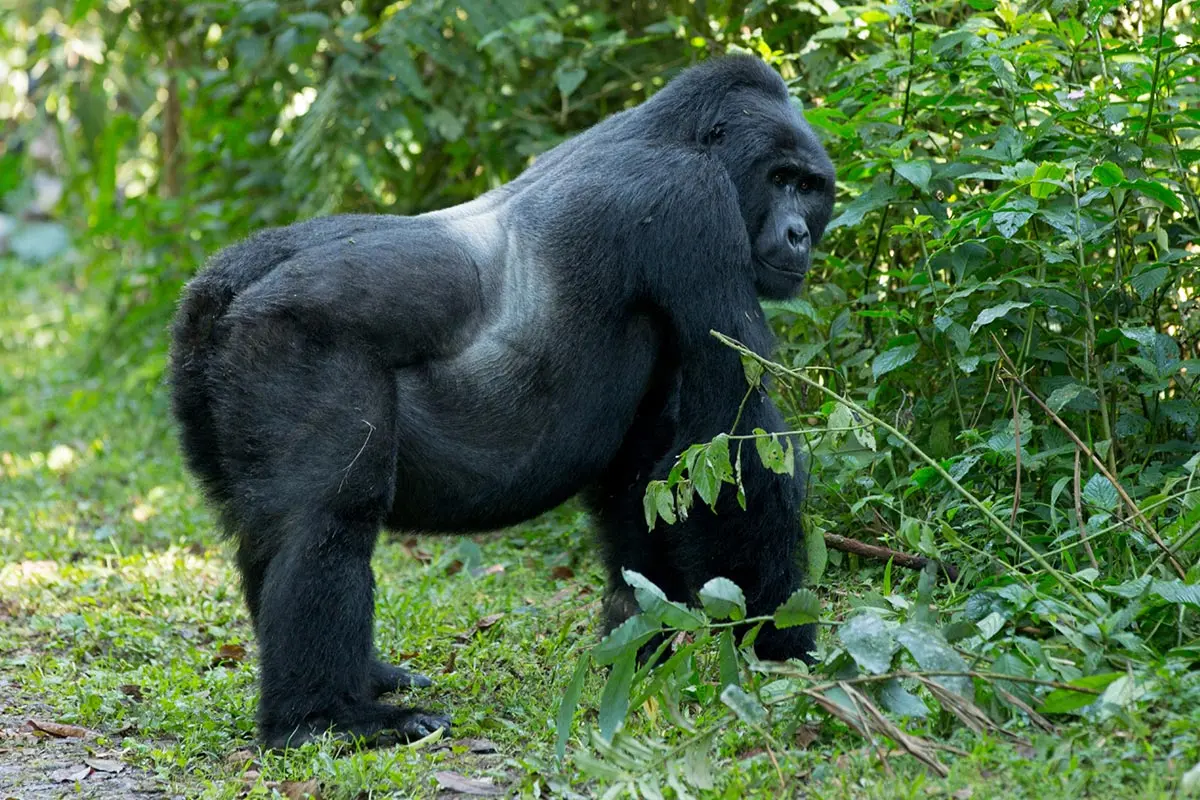
- Pre-trip classroom lessons
- Wildlife observation worksheets
- Conservation presentations
- Guided forest interpretation
- Student journals
- Photography assignments
- Bird and plant identification
- Interviews with tourism professionals
- Community-development case studies
- Group discussions and debates
- Post-trip reports
- Research projects
- Responsible-tourism evaluations
University groups can make the program more specialized. For example, veterinary students may focus on wildlife health, tourism students may study destination management, and environmental-science students may examine habitat protection.
Who Can Join Student Gorilla Safari Trips?
Student gorilla safaris are suitable for several types of educational groups. However, organizers must consider age, fitness, health, maturity, budget, and academic goals.
Suitable participants may include:
- Secondary-school students aged 15 and above
- University and college students
- Wildlife and conservation clubs
- Environmental-science groups
- Tourism and hospitality students
- Geography students
- Biology and zoology students
- Veterinary and public-health students
- International study-abroad groups
- Gap-year students
- Youth leadership programs
- Educational family groups
Not every participant must join the gorilla trek. Younger students or those unable to trek can enjoy alternative activities. These may include cultural tours, nature walks, museum visits, community projects, birdwatching, golden monkey experiences where age rules allow, and visits to conservation education centers.
Schools should never attempt to avoid or misrepresent age restrictions. Passport details are normally used when arranging and verifying gorilla permits. The minimum age is designed to protect both visitors and gorillas.
Minimum Age for Gorilla Trekking in Rwanda and Uganda
The minimum age for gorilla trekking in Rwanda is 15 years. Visit Rwanda states that trekkers must be at least 15 and currently lists the standard international gorilla permit at USD 1,500 per person. Visit Rwanda’s official gorilla-tracking information should always be checked before confirming a school trip.
Uganda also generally applies a minimum trekking age of 15. Organizers should verify current rules directly with the Uganda Wildlife Authority or through a licensed tour operator before paying for permits.
Age limits exist for several important reasons:
- Gorilla trekking can involve steep, muddy, and uneven ground.
- Treks may last several hours.
- Visitors must follow instructions calmly and consistently.
- Mountain gorillas can catch some human illnesses.
- Sudden movements or loud noise can disturb the animals.
- Trekking groups must remain controlled during the encounter.
- A student must be mature enough to respond properly to a guide’s directions.
For mixed-age groups, the itinerary can be divided on trekking day. Eligible students can enter the forest, while younger participants take part in supervised educational activities.
Where Can Students See Mountain Gorillas?
Students can trek mountain gorillas in three main destinations across Rwanda and Uganda:
- Volcanoes National Park in Rwanda
- Bwindi Impenetrable National Park in Uganda
- Mgahinga Gorilla National Park in Uganda
Each destination offers a different learning environment and travel experience.
Student Gorilla Safari Trips Rwanda and Uganda: Destination Comparison
| Feature | Rwanda | Uganda |
|---|---|---|
| Main trekking area | Volcanoes National Park | Bwindi and Mgahinga |
| Common arrival airport | Kigali International Airport | Entebbe International Airport or Kigali |
| Road access | About 2.5–3 hours from Kigali to the Volcanoes area | Long drive from Entebbe; some sectors are accessible from Kigali |
| Standard international permit | USD 1,500 in Rwanda | Verify the latest UWA tariff before booking |
| Minimum trekking age | 15 years | Generally 15 years |
| Main advantage | Short, convenient access | More trekking sectors and often lower trip costs |
| Best for | Short educational trips | Longer field trips and broader Uganda safaris |
| Other primates | Golden monkeys and chimpanzees elsewhere in Rwanda | Golden monkeys and chimpanzees in several protected areas |
| Cultural opportunities | Kigali, Musanze, community visits and national history | Batwa heritage programs, villages, Kampala, Entebbe and rural communities |
| Recommended duration | 3–7 days | 4–10 days |
The best destination depends on the group’s budget, available time, academic focus, preferred level of comfort, and flight arrangements.
Student Gorilla Trekking in Volcanoes National Park, Rwanda
Volcanoes National Park lies in northwestern Rwanda near Musanze. The park protects part of the Virunga Massif, a dramatic volcanic landscape shared by Rwanda, Uganda, and the Democratic Republic of the Congo.
The area includes bamboo forests, montane vegetation, open grasslands, wetlands, and volcanic slopes. According to the official tourism authority, the park protects several Virunga volcanoes, including Karisimbi, Bisoke, Sabyinyo, Gahinga, and Muhabura. Volcanoes National Park is best known as Rwanda’s mountain gorilla destination, but it also supports golden monkeys, birds, and diverse plant life.
Rwanda is well suited to short student trips because the transfer from Kigali to Musanze generally takes only a few hours. A group can arrive in Kigali, complete educational and historical visits, travel to the park, trek gorillas, and return to the capital within a compact itinerary.
Educational Value of Volcanoes National Park
Volcanoes National Park is strongly connected to the history of mountain gorilla research. Students can learn about long-term field research, anti-poaching work, habitat monitoring, community partnerships, and the legacy of Dian Fossey.
A student program can include a visit to the Ellen DeGeneres Campus of the Dian Fossey Gorilla Fund. Depending on the available program and confirmed reservation, students may explore exhibitions, conservation information, research stories, and digital learning experiences.
Other educational subjects include: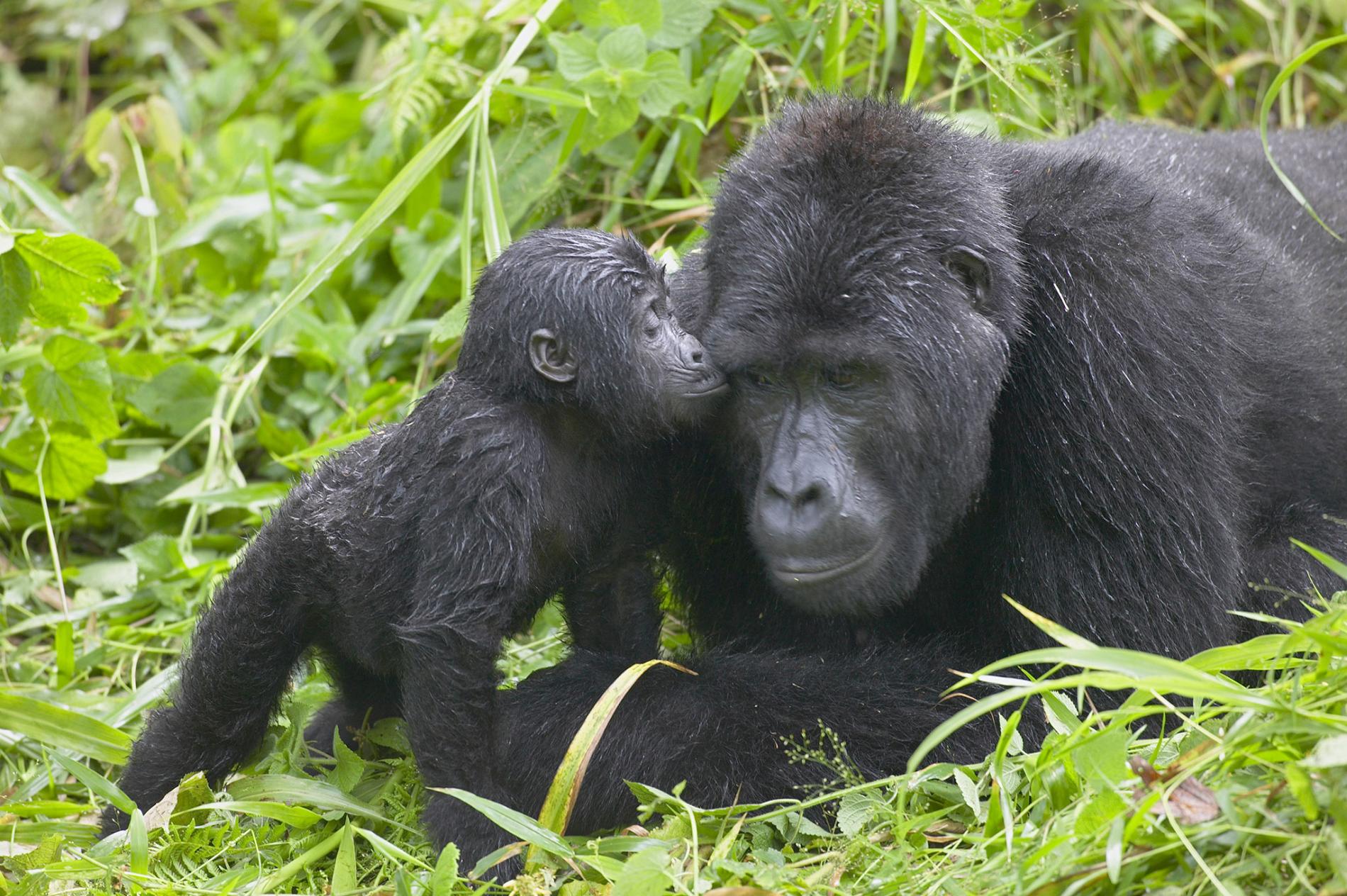
- Volcanic geography
- Mountain ecosystems
- Primate behavior
- Ecotourism economics
- Human-wildlife relationships
- Community conservation
- Sustainable agriculture near protected areas
- Habitat boundaries
- Transboundary wildlife protection
- Rwanda’s tourism-development strategy
Advantages of Rwanda for Student Groups
Rwanda offers several practical benefits:
- Short road transfers from Kigali
- Good main roads
- Easy combination of wildlife, culture, and history
- A wide range of accommodation around Musanze
- Clear tourism organization
- Opportunities for compact itineraries
- Access to Kigali’s museums, markets, art spaces, and memorial sites
- Options to combine gorillas with Akagera or Nyungwe national parks
The main challenge is the standard international permit price. Therefore, schools should plan early, look carefully at the group budget, and check whether any official promotional or resident rates apply to eligible participants.
Student Gorilla Trekking in Bwindi Impenetrable National Park
Bwindi Impenetrable National Park is in southwestern Uganda. It is one of Africa’s most important tropical forests and a leading mountain gorilla destination.
The park is divided into four main trekking sectors:
- Buhoma
- Ruhija
- Rushaga
- Nkuringo
Each sector has separate accommodation options, road approaches, gorilla families, and trekking starting points. A permit is linked to a particular area, so the lodge must be booked in the correct sector.
The Uganda Wildlife Authority describes Bwindi as an ancient and biologically diverse rainforest. The park contains hundreds of plant species and provides habitat for mountain gorillas, birds, butterflies, forest mammals, and many other forms of life. Uganda Wildlife Authority’s Bwindi overview makes it an excellent starting point for educational planning.
Why Bwindi Is Ideal for Field Learning
Bwindi’s dense forest creates a powerful outdoor classroom. Students can learn about rainforest layers, watershed protection, endemic species, forest-edge communities, wildlife tracking, and conservation management.
The park is also valuable for students interested in:
- Forest ecology
- Ornithology
- Botany
- Entomology
- Sustainable tourism
- Rural development
- Community-based conservation
- Primate research
- Protected-area management
- Ecological monitoring
Because Uganda offers different trekking sectors, a knowledgeable local operator must match permits, accommodation, and transport correctly. Booking a lodge in the wrong sector can create a difficult or impractical morning transfer.
Accessing Bwindi from Kigali
Student groups do not always have to begin in Entebbe. Depending on the selected trekking sector and current border requirements, Bwindi can be reached from Kigali by road.
A Kigali-to-Bwindi itinerary can reduce driving time compared with traveling overland from Entebbe. It can also allow students to combine Rwanda and Uganda in one educational journey.
However, a cross-border trip needs additional planning. Organizers should consider:
- Visa requirements
- Passport validity
- Border procedures
- Vehicle authorization
- Travel time
- Luggage arrangements
- Insurance coverage
- Emergency planning
- Permission letters for minors
- The nationality of each traveler
Requirements can change. Therefore, schools must check official immigration information for every participant before departure.
Student Gorilla Trekking in Mgahinga Gorilla National Park
Mgahinga Gorilla National Park is in Uganda’s Kisoro District. At approximately 33.7 square kilometres, it is Uganda’s smallest national park, but it offers outstanding volcanic scenery and important primate habitat. Uganda Wildlife Authority’s Mgahinga information describes a landscape shaped by the Virunga volcanoes.
Mgahinga is home to mountain gorillas and golden monkeys. Its position within the Virunga landscape makes it valuable for lessons about transboundary conservation.
Students can study how wildlife moves through ecosystems that cross national borders. They can also learn why Rwanda, Uganda, and the Democratic Republic of the Congo need shared conservation strategies.
Mgahinga may be suitable for groups interested in: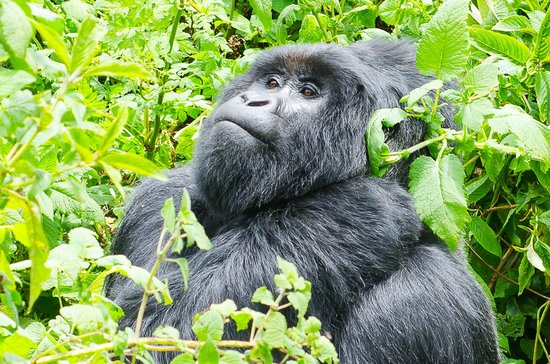
- Mountain gorilla trekking
- Golden monkey tracking
- Volcanic landscapes
- Forest and bamboo ecosystems
- Borderland geography
- Batwa heritage experiences
- Birdwatching
- Hiking
- Regional conservation cooperation
Permit availability is more limited than in Bwindi, so early planning is essential.
Rwanda or Uganda: Which Is Better for Students?
Neither destination is automatically better for every group. Rwanda is usually the most convenient option, while Uganda often works well for groups that want a longer, broader, and potentially more budget-conscious safari.
Choose Rwanda When:
- The group has limited time.
- Students are flying into Kigali.
- Short road transfers are important.
- The program includes Kigali history and culture.
- The school wants a compact three- or four-day itinerary.
- Parents and organizers prefer simpler logistics.
- The group plans to combine gorillas with Akagera National Park.
- The budget can accommodate Rwanda’s permit cost.
Choose Uganda When:
- The group has at least five to ten days.
- Students want a deeper rainforest field experience.
- The itinerary includes chimpanzees or classic savannah wildlife.
- Several Bwindi trekking sectors are being considered.
- The group wants to combine Bwindi, Queen Elizabeth National Park, and Kibale.
- A longer overland journey fits the educational purpose.
- The program begins in Entebbe or crosses from Kigali.
- The group wants to compare different ecosystems.
Choose a Rwanda–Uganda Combination When:
- The students are studying regional tourism or conservation.
- Cross-border geography is part of the curriculum.
- The group wants to compare protected-area systems.
- The itinerary includes Rwanda’s cultural sites and Uganda’s forests.
- Participants have enough time and budget.
- Border and visa arrangements can be completed safely.
Educational Benefits of Gorilla Safari Trips
Conservation Education
Gorilla tourism shows students how wildlife can create economic value without being removed from its natural habitat. Permit income supports protected-area management, although the exact use and distribution of tourism revenue depends on national policies.
Students can examine questions such as:
- How does tourism finance conservation?
- How are gorilla families monitored?
- Why is habitat protection important?
- How do nearby communities benefit?
- What happens when people and wildlife compete for land?
- How can tourism remain sustainable?
- Should daily visitor numbers be limited?
- What responsibilities do travelers have?
These questions can support essays, debates, presentations, and research projects.
Biology and Primate Behavior
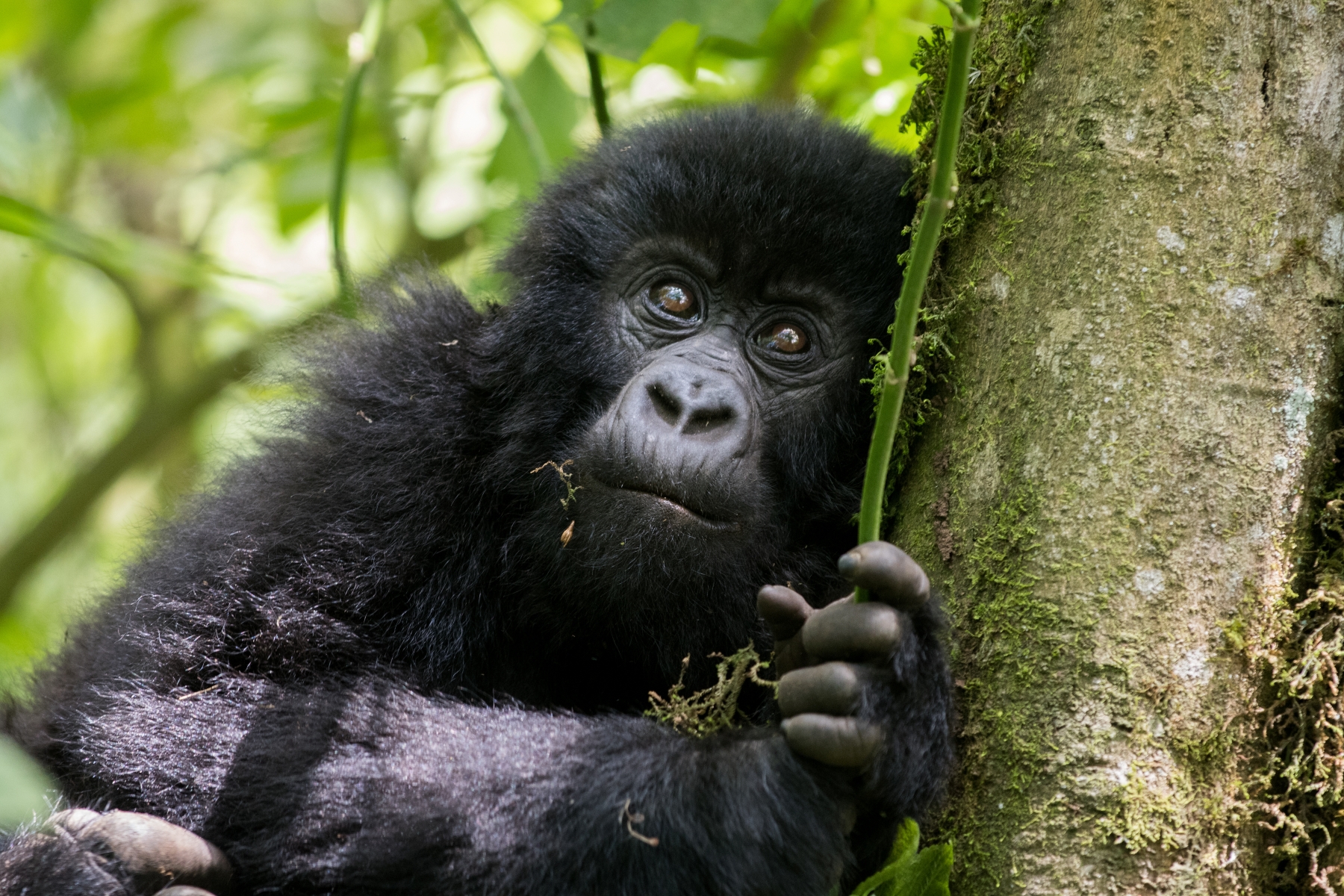
Students can observe gorilla family structure and social behavior. A typical family may include a dominant silverback, adult females, young gorillas, and juveniles. The exact composition differs between groups.
During the permitted observation period, students may see feeding, resting, grooming, movement, communication, or play. However, wildlife behavior cannot be guaranteed. Visitors must allow the gorillas to behave naturally.
Possible biology topics include:
- Primate classification
- Physical adaptation
- Diet
- Reproduction
- Social groups
- Communication
- Habitat selection
- Disease vulnerability
- Genetics
- Animal intelligence
Geography and Environmental Science
Rwanda and Uganda offer varied landscapes within relatively short distances. Students can travel through hills, volcanic areas, wetlands, savannahs, lakes, farmland, and tropical forests.
A geography program may explore:
- The Albertine Rift
- Volcanic mountain formation
- Climate and rainfall
- Soil fertility
- Population density
- Land use
- Protected-area boundaries
- Watersheds
- Agricultural systems
- Rural settlement patterns
Tourism and Hospitality Studies
Student gorilla tours are excellent for tourism and hospitality programs. Participants can observe the complete visitor journey, from booking and transportation to guiding, accommodation, food service, park management, and customer care.
Students can interview professionals about:
- Tour planning
- Permit reservations
- Safari costing
- Guest safety
- Lodge operations
- Guiding standards
- Sustainable purchasing
- Marketing
- Cultural sensitivity
- Crisis management
- Conservation communication
History and Culture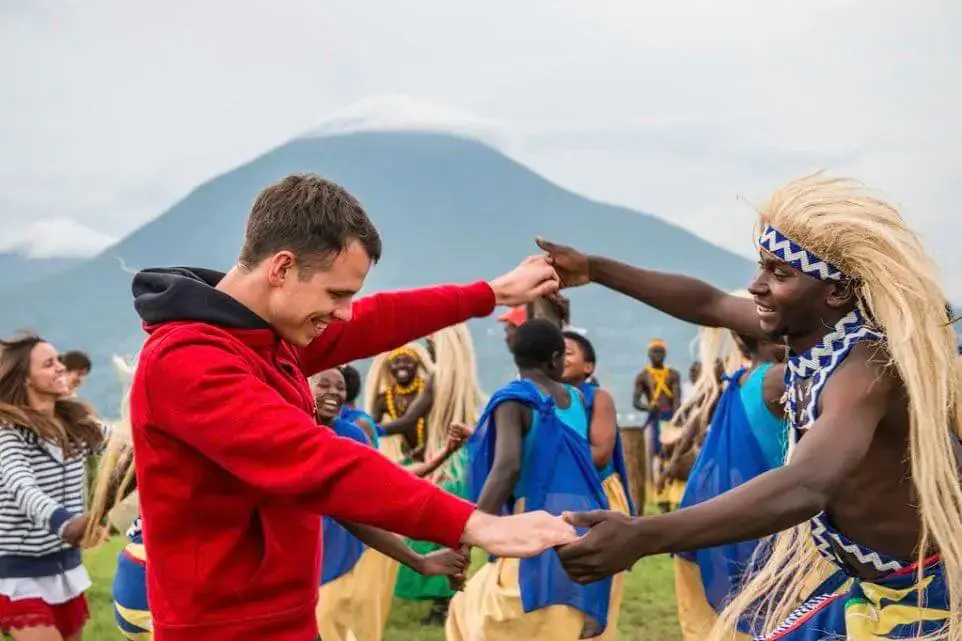
A meaningful student trip must present Rwanda and Uganda as living, diverse societies rather than only wildlife destinations.
In Rwanda, students may visit Kigali historical and cultural institutions, community projects, art centers, and local markets. Any visit to the Kigali Genocide Memorial should be prepared and supervised with age-appropriate historical context and sufficient time for reflection.
In Uganda, groups may explore Kampala, Entebbe, rural communities, traditional kingdoms, cultural centers, and heritage programs near national parks.
Cultural activities should be respectful and community-led. Students should avoid treating local people as attractions. Instead, visits should support genuine exchange, learning, and fair economic participation.
Leadership and Personal Development
Field trips require cooperation. Students must follow schedules, respect group rules, care for shared spaces, and support one another during unfamiliar experiences.
They may develop:
- Teamwork
- Confidence
- Patience
- Adaptability
- Observation
- Time management
- Cultural awareness
- Environmental responsibility
- Communication
- Problem-solving skills
How Much Do Student Gorilla Safaris Cost?
The total price depends on destination, permit category, group size, season, accommodation standard, transport, activities, and trip duration.
A gorilla permit is usually the largest fixed cost. In Rwanda, the official standard international price is USD 1,500 per person, although special categories or promotions may occasionally apply to eligible travelers. These should always be checked through official channels.
Uganda’s permit tariffs are set by the Uganda Wildlife Authority and can change. Because the previous tariff period ended in June 2026, groups traveling later should request the current official rate rather than relying on an old online article.
Main Cost Components
A student safari price may include:
- Gorilla trekking permits
- Park fees
- Private safari vehicle
- Fuel
- Professional driver-guide
- Airport transfers
- Accommodation
- Meals
- Drinking water
- Cultural activities
- Museum or education-center entrance
- Local guides
- Border-crossing logistics
- Administrative support
- Emergency coordination
- Taxes where applicable
Usually excluded items include:
- International flights
- Visas
- Travel insurance
- Vaccinations and medical costs
- Personal purchases
- Optional activities
- Laundry
- Tips
- Excess luggage
- Passport expenses
- Meals outside the confirmed program
- Costs caused by personal schedule changes
Sample Student Budget Framework
The following is a planning framework rather than a fixed quotation:
| Expense | Rwanda Planning Note | Uganda Planning Note |
|---|---|---|
| Gorilla permit | Standard international rate currently USD 1,500 | Confirm the latest UWA rate |
| Accommodation | Budget, midrange, or educational group lodging | Budget lodges and student-friendly camps available |
| Transport | Shorter transfer from Kigali | Longer transfers may increase vehicle costs |
| Meals | Often arranged as full board | Often arranged as full board |
| Additional activities | Kigali tour, culture, golden monkeys, Akagera | Community walks, golden monkeys, Queen Elizabeth, Kibale |
| Guide | Professional driver-guide recommended | Professional driver-guide recommended |
| Border logistics | Not required for Rwanda-only trips | Required when entering from Rwanda |
Schools should request a detailed cost breakdown. A transparent quotation makes it easier to understand what is included and prevents surprise expenses.
How to Make Student Gorilla Safari Trips More Affordable
Gorilla trekking is a premium conservation activity. Nevertheless, careful planning can reduce the overall cost without weakening safety or educational quality.
Travel as a Group
Transport costs can be shared across the group. A suitable safari vehicle or bus may cost more in total, but the per-student amount often falls as the group grows.
Group size must still match vehicle capacity, luggage space, staff supervision, and trekking-permit availability.
Travel Outside Peak Periods
Accommodation may be more affordable outside the busiest holiday months. However, mountain gorilla trekking operates throughout the year, and rain can occur in any season.
Schools should balance price with academic calendars, weather, road conditions, and permit availability.
Choose Student-Friendly Accommodation
A clean, safe, well-managed guesthouse or midrange lodge may be more suitable than a luxury property. Educational groups usually benefit from:
- Twin or triple rooms where appropriate
- Reliable meals
- Safe drinking water
- Secure grounds
- Space for group briefings
- Early breakfast
- Packed-lunch service
- Convenient access to the trekking point
- Clear safeguarding procedures
The cheapest accommodation is not always the best value. Long transfers, weak hygiene standards, or poor group facilities can create unnecessary difficulties.
Limit Unnecessary Transfers
A logical route saves time and fuel. In Uganda, students should stay close to the correct Bwindi trekking sector. In Rwanda, staying in or near Musanze before the trek avoids an extremely early transfer from Kigali.
Select Activities With Strong Learning Value
Schools do not need to include every available attraction. A focused itinerary with gorilla trekking, conservation education, one cultural experience, and a well-planned nature activity can be more valuable than a rushed program.
Book Early
Permits are limited. Early reservations can provide better choices for dates, accommodation, and trekking sectors. They also give families more time to plan payments.
Ask About Eligible Official Rates
Some citizens, residents, or regional travelers may qualify for different official permit categories. Eligibility must be supported by the required documents. A school or operator should never promise a reduced rate before official confirmation.
Planning Student Gorilla Safari Trips Rwanda and Uganda
Successful trips often require six to twelve months of preparation. Larger groups may need even more time because gorilla permits are limited and accommodations near the parks can fill quickly.
Step 1: Define the Educational Goals
Before requesting a quotation, decide what students should learn.
Possible goals include:
- Understanding mountain gorilla conservation
- Studying tropical forest ecology
- Exploring sustainable tourism
- Comparing Rwanda and Uganda
- Learning about local culture
- Developing field-research skills
- Studying biodiversity
- Examining conservation economics
Clear goals help the tour operator build a relevant itinerary.
Step 2: Confirm Ages and Group Size
Collect the number of:
- Eligible student trekkers
- Students under the trekking age
- Teachers
- Group leaders
- Medical or safeguarding staff
- Other accompanying adults
Permit availability must match the number of eligible trekkers. Non-trekkers need a separate supervised program.
Step 3: Choose Rwanda, Uganda, or Both
Consider:
- Flights
- Trip duration
- Permit budget
- Driving time
- Academic interests
- Visa needs
- Accommodation style
- Additional national parks
- Student age and travel experience
Step 4: Select Travel Dates
Avoid choosing dates based only on flight price. First check permit availability and the school calendar.
The booking sequence should normally be:
- Choose several possible travel dates.
- Check gorilla permit availability.
- Confirm suitable accommodation.
- Review the complete quotation.
- Understand cancellation conditions.
- Pay the required deposit.
- Confirm flights only when the ground arrangements are secure.
Step 5: Work With a Qualified Tour Operator
A student trip requires more than a vehicle and hotel reservations. The operator should understand group travel, park rules, student safety, room allocation, meal planning, border procedures, and emergency support.
Ask the operator to provide:
- Company registration details
- Tourism credentials
- A detailed itinerary
- A complete quotation
- Vehicle information
- Guide qualifications
- Payment terms
- Cancellation conditions
- Emergency procedures
- Accommodation details
- Permit-booking procedures
- References where available
Step 6: Prepare Travel Documents
Each participant may need:
- A passport with sufficient validity
- The correct visa or entry authorization
- Travel insurance
- Medical information
- Emergency contacts
- Consent documents
- School authorization
- Copies of important documents
- Required health certificates
- Permit identification details
Requirements differ by nationality and can change. Schools should use official immigration and health sources.
Step 7: Complete Health Preparation
A qualified medical professional should advise the group about destination-specific health preparation.
Students must not trek if they are unwell with a potentially contagious illness. Gorillas are genetically close to humans and can be vulnerable to human infections.
Organizers should discuss:
- Routine medical needs
- Destination health advice
- Personal medication
- Allergies
- Hydration
- Travel sickness
- Mobility concerns
- Food requirements
- Emergency response
- Insurance coverage
Medical details should be managed privately by authorized adults.
Step 8: Prepare Students Academically
Students can begin learning before departure through:
- Gorilla research
- Country profiles
- Map work
- Conservation debates
- Language introductions
- Cultural etiquette lessons
- Responsible-photography guidance
- Group presentations
- Wildlife journals
- Documentary analysis
Preparation makes the safari more meaningful.
What Happens During a Gorilla Trek?
The trekking day begins early. Students eat breakfast, carry their equipment, and transfer to the relevant park briefing point.
Park staff explain the rules and organize visitors into trekking groups. Group allocation may consider factors such as fitness, terrain, and the location of gorilla families, but an easy trek can never be guaranteed.
Trackers often enter the forest earlier to locate the gorillas. The visitor group then follows a park guide along trails and through natural vegetation.
Uganda Wildlife Authority explains that a gorilla trek may take roughly two to seven hours, depending on conditions and the gorillas’ location. Once visitors reach a habituated family, they are generally allowed one hour of observation. UWA’s official gorilla-tracking overview provides further information.
The length and difficulty of a trek can vary because gorillas move freely. Weather, vegetation, elevation, and trail conditions also affect the experience.
During the encounter, students must remain calm and follow the guide’s instructions. The goal is quiet observation, not interaction.
Afterward, the group returns to the starting area. Students can then record their observations, discuss the experience, and compare what they saw with their pre-trip research.
Gorilla Trekking Rules for Student Groups
Gorilla trekking rules protect visitors, staff, and wildlife. Instructions given by park authorities always take priority.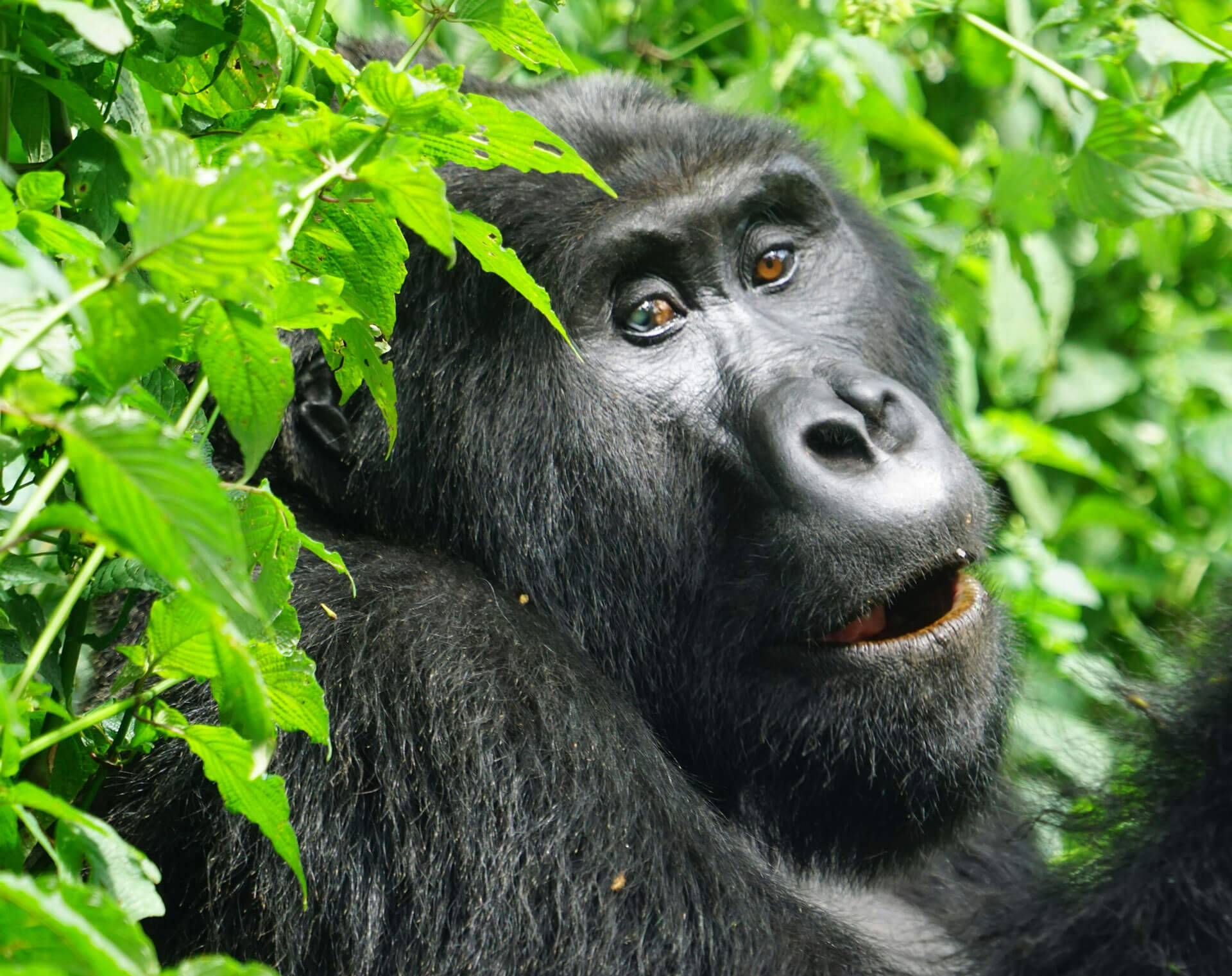
Common rules include:
- Follow the park guide at all times.
- Do not trek when you have a contagious illness.
- Keep the required distance from the gorillas.
- Remain together as a controlled group.
- Avoid loud voices.
- Do not run.
- Do not eat or drink close to the gorillas.
- Do not leave litter in the forest.
- Avoid flash photography.
- Follow instructions if a gorilla moves nearby.
- Do not touch the animals.
- Respect the permitted observation time.
- Use designated toilet procedures explained by the guide.
- Do not damage plants unnecessarily.
- Carry out everything brought into the forest.
Students should receive these rules before the trip and again during the official briefing.
Physical Preparation for Gorilla Trekking
Gorilla trekking requires a reasonable level of mobility and endurance. The route may include steep climbs, mud, thick vegetation, tree roots, and uneven ground.
Students do not need to be competitive athletes. However, they should be prepared for several hours of walking in a mountain or rainforest environment.
Safe preparation may include:
- Regular walking
- Gentle hill practice
- Wearing trekking boots before the trip
- Learning how to use a walking stick
- Carrying a small daypack
- Practising safe hydration
- Understanding how to walk on uneven ground
Any student with a health or mobility concern should seek appropriate professional advice before joining. The tour operator and park should be informed early enough to discuss realistic arrangements.
Porters may be available to carry bags and help trekkers on difficult sections. Hiring a porter also supports local employment.
What Students Should Pack
Packing should be practical. Heavy luggage and unnecessary equipment can make group movement difficult.
Gorilla Trekking Clothing
Students should bring:
- Strong, comfortable walking boots
- Long trekking trousers
- A long-sleeved shirt
- A light waterproof jacket
- Warm layers for cool mornings
- Long socks
- A sun hat
- Gardening-style gloves for vegetation
- A small backpack
- Reusable water bottle
- A change of dry clothing
Bright fashion items are less important than comfort, protection, and weather resistance.
Useful Equipment
- Binoculars
- Camera
- Spare camera battery
- Waterproof bag
- Notebook and pencils
- Field guide
- Personal medication
- Sunscreen
- Insect repellent
- Small reusable rain cover
- Travel adapter
- Torch
- Hand sanitizer where appropriate
Students should not carry food during the gorilla observation unless park staff give different instructions.
Documents
- Passport
- Visa documentation
- Insurance details
- Emergency contact card
- Permit information
- School identification where applicable
- Consent documents managed by group leaders
Original documents should be stored securely.
Safety on Student Gorilla Safari Trips
Rwanda and Uganda regularly receive international visitors, but all educational travel requires structured safety planning.
Schools should prepare a formal risk assessment covering transportation, accommodation, trekking, health, food, supervision, border crossings, weather, communication, and emergency response.
Transport Safety
Use properly maintained vehicles with:
- Working seat belts
- Qualified drivers
- Suitable passenger capacity
- Adequate luggage space
- Emergency equipment
- Clear daily driving limits
- Reliable communication
Students should remain seated while the vehicle is moving and follow the guide’s instructions.
Accommodation Safety
Before confirmation, check:
- Location
- Room security
- Fire procedures
- Food hygiene
- Staff availability
- Group supervision arrangements
- Safe water access
- Medical support
- Electricity arrangements
- Emergency exits
Supervision
The school must decide suitable adult-to-student ratios based on age, institutional policy, destination, activities, and individual needs.
Students should know:
- Who their group leader is
- Where to meet
- What to do if separated
- Which areas are restricted
- How to report a concern
- The daily schedule
- The emergency contact procedure
Food and Water
Meals should be arranged through reliable hotels, lodges, and restaurants. Dietary needs must be communicated before arrival.
Students should use safe drinking water supplied or approved by the operator. Reusable bottles can help reduce plastic waste where safe refill systems are available.
Travel Insurance
Comprehensive insurance should cover:
- Medical treatment
- Emergency evacuation
- Trip interruption
- Cancellation
- Delayed baggage
- Lost belongings
- Activities included in the itinerary
- Cross-border travel where applicable
Schools should read policy conditions carefully rather than assuming every safari activity is covered.
Responsible Tourism and Gorilla Conservation
Responsible behavior is central to Student Gorilla Safari Trips Rwanda and Uganda. Students are not simply customers. They become temporary visitors to a fragile ecosystem and to communities that live beside protected areas.
Respect Wildlife
Wild animals should control their own behavior and movement. Students must never encourage a gorilla to approach, make noises to gain attention, or block an animal’s path.
Photography should be quiet and respectful. The experience should not become a competition for dramatic images.
Reduce Waste
Groups can reduce waste by using:
- Refillable bottles
- Reusable bags
- Minimal packaging
- Rechargeable batteries
- Shared educational materials
- Environmentally responsible toiletries
Nothing should be left in the forest.
Support Local Employment
Student trips can benefit communities through:
- Local guides
- Porters
- Community-run activities
- Locally owned accommodation
- Local food suppliers
- Craft purchases
- Cultural programs
- Conservation organizations
Purchases should be voluntary, respectful, and fairly priced.
Respect People and Culture
Students should ask before photographing individuals. They should avoid stereotypes, intrusive questions, or treating poverty as a photographic subject.
Cultural exchange should be based on dignity. Local hosts should have a meaningful role in deciding how their traditions and stories are presented.
Learn Before Volunteering
Short-term student volunteering can cause problems when it is poorly designed. Activities involving children, wildlife handling, medical work, or construction require strong ethical safeguards and qualified supervision.
A reputable educational visit often provides more value than an unskilled short-term project. Schools should choose community partnerships based on local priorities, not only on what looks attractive in photographs.
Best Time for Student Gorilla Safari Trips
Gorilla trekking is available throughout the year. However, weather patterns can affect trails and transport.
Drier Travel Periods
The relatively drier months are often popular because trails may be easier. Demand can be high, so permits and lodges should be reserved early.
Wetter Travel Periods
Rainforest destinations remain green throughout the year. During wetter periods, trails may be muddier and more physically demanding. On the other hand, some accommodations may have better availability.
Weather patterns are not completely predictable. Students should carry rain protection regardless of the travel month.
School Calendar Considerations
The best dates should balance:
- School holidays
- Examination periods
- Permit availability
- Flight costs
- Weather
- Accommodation capacity
- Parent planning
- Passport and visa processing
- Academic objectives
Sample 3-Day Rwanda Student Gorilla Safari
Day 1: Arrival in Kigali and Educational City Tour
The group arrives at Kigali International Airport and meets the driver-guides. After a safety briefing, students begin an age-appropriate city orientation.
Depending on arrival time, the program may include a museum, cultural center, local art initiative, or a carefully prepared historical visit. Students then travel to Musanze through Rwanda’s hilly countryside.
During the drive, the guide introduces Rwanda’s geography, agriculture, population, and conservation areas.
Dinner and overnight are arranged near Volcanoes National Park.
Day 2: Mountain Gorilla Trekking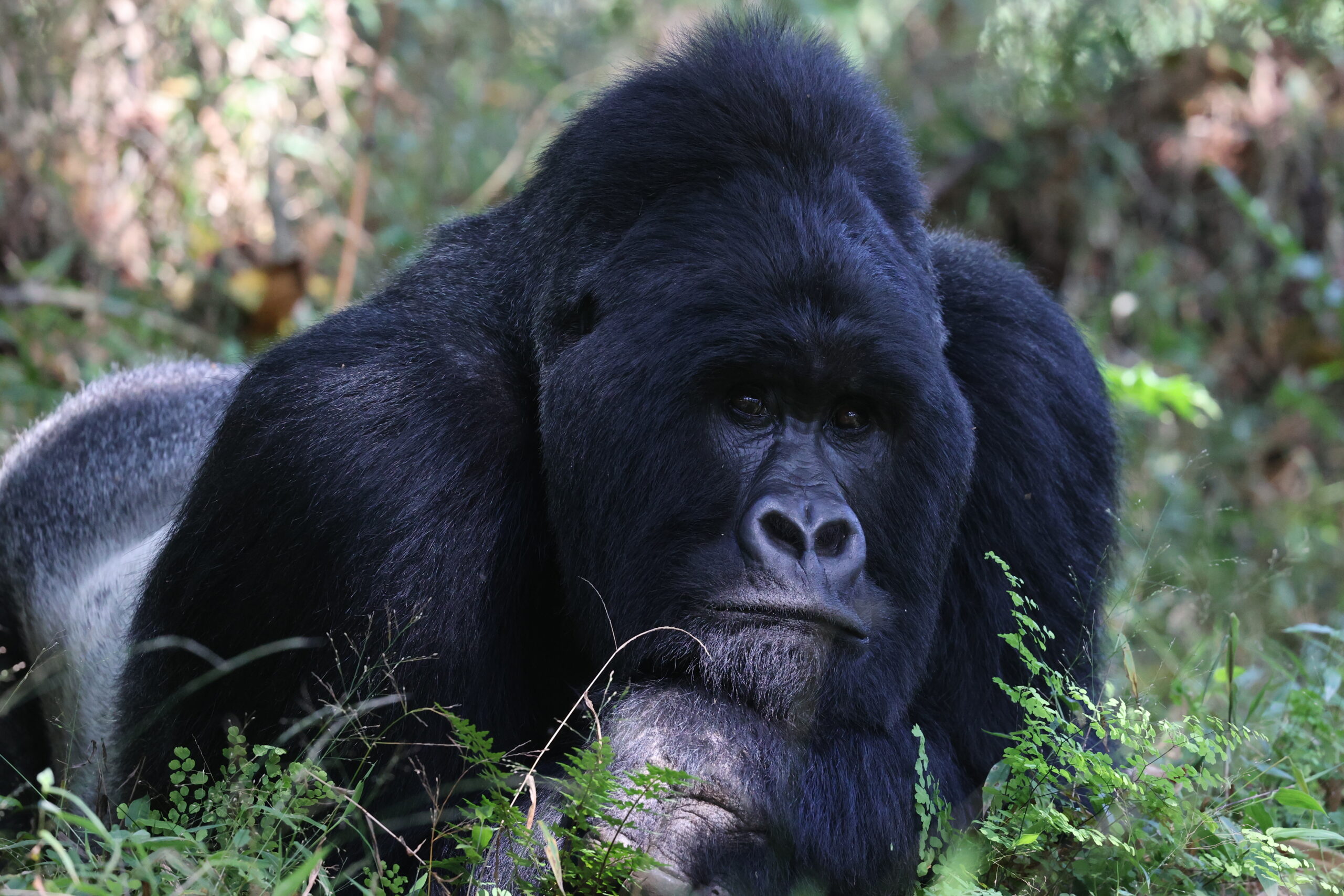
After an early breakfast, eligible students transfer to the park headquarters for registration and briefing. They are assigned to trekking groups and enter the forest with professional park guides.
After locating the gorillas, students observe the family for the permitted period. They then return to the trailhead and transfer to the lodge.
Non-trekking students follow a separate supervised educational program.
In the afternoon, the full group discusses gorilla behavior, forest conservation, and the role of tourism.
Day 3: Conservation Education and Return to Kigali
Students visit a conservation education center or take part in a guided cultural activity. The group then returns to Kigali, stopping for lunch and landscape observation.
The journey ends with a final review session and airport or hotel transfer.
Sample 4-Day Uganda Gorilla Safari From Kigali
Day 1: Kigali Orientation and Transfer to Bwindi
Meet the group in Kigali and complete a short orientation. Cross into Uganda following the correct immigration procedures and continue to the confirmed Bwindi trekking sector.
The guide explains the Virunga and Albertine Rift landscapes during the journey.
Day 2: Gorilla Trekking in Bwindi
Eligible students attend the park briefing and begin the forest trek. After the gorilla encounter, they return to the lodge for rest and a guided reflection session.
Students record observations about vegetation, terrain, gorilla behavior, guiding, and visitor management.
Day 3: Community and Forest Education
The group takes part in an approved community or nature program. Activities may explore forest-edge livelihoods, local culture, conservation challenges, or biodiversity.
The afternoon can include student presentations or a guided birdwatching walk.
Day 4: Return to Kigali
After breakfast, the group travels back to Rwanda. The guide leads a final discussion about cross-border conservation and compares tourism management in Rwanda and Uganda.
Sample 7-Day Rwanda Educational Gorilla Safari
Day 1: Arrival in Kigali
Airport pickup, group orientation, safety briefing, and hotel check-in.
Day 2: Kigali History, Culture, and Sustainable Development
Visit selected educational sites and study Kigali’s development, public spaces, cultural life, and national history.
Day 3: Transfer to Volcanoes National Park
Travel to Musanze with geography and agriculture discussions along the route. Complete a community or cultural activity in the afternoon.
Day 4: Gorilla Trekking
Eligible students trek mountain gorillas. Non-trekkers follow a supervised alternative program. The evening includes a conservation discussion.
Day 5: Conservation Campus and Golden Monkey Option
Visit a conservation-learning facility. Eligible participants may join a golden monkey activity if booked and allowed under the applicable rules.
Day 6: Return to Kigali
Stop for selected educational visits and complete group presentations.
Day 7: Departure
Final reflection, trip evaluation, and airport transfer.
Sample 8-Day Uganda Student Primate and Wildlife Safari
Day 1: Arrival in Entebbe
Meet the guide, complete a safety briefing, and visit a suitable educational attraction depending on arrival time.
Day 2: Travel Toward Southwestern Uganda
Drive through changing landscapes while studying land use, agriculture, wetlands, and settlement patterns.
Day 3: Gorilla Trekking in Bwindi
Complete the mountain gorilla trek and an evening reflection session.
Day 4: Forest and Community Learning
Join an approved nature walk, conservation presentation, or community-led educational experience.
Day 5: Transfer to Queen Elizabeth National Park
Travel from rainforest to savannah and compare the two ecosystems.
Day 6: Wildlife Survey and Boat Safari
Complete a guided game drive and boat excursion where available. Students record mammal and bird observations.
Day 7: Return Toward Entebbe
Discuss tourism’s economic role, protected-area management, and environmental pressures.
Day 8: Departure
Complete trip evaluation and transfer to the airport.
Alternative Activities for Students Under 15
A mixed-age group can still enjoy a valuable educational safari. Students who are too young for gorilla trekking may take part in:
- Conservation-center visits
- Guided cultural tours
- Age-appropriate nature walks
- Birdwatching
- Art workshops
- Traditional storytelling
- Museum visits
- Village walks
- Environmental projects
- Agricultural experiences
- Kigali city tours
- Supervised research assignments
The alternative activity should be planned in advance. Younger participants should never be left at a lodge without an appropriate supervising adult.
Accommodation for Student Groups
Student accommodation should be selected for safety, location, value, and group suitability.
Budget Accommodation
Budget hotels and guesthouses can reduce costs. They should still provide clean rooms, reliable meals, security, and safe access.
Midrange Lodges
Midrange properties often offer the best balance for student groups. They may provide comfortable rooms, meeting areas, gardens, packed lunches, and early breakfast.
Luxury Lodges
Luxury accommodation may suit specialist university programs, fundraising trips, or groups with a higher budget. However, it is not necessary for a successful educational safari.
Questions to Ask a Lodge
- Can the property accommodate the full group?
- Are twin and triple rooms available?
- Is there a secure meeting space?
- Can breakfast be served early?
- Can packed lunches be prepared?
- Are dietary requirements supported?
- Is safe drinking water available?
- What are the fire and emergency procedures?
- Is the lodge close to the correct trekking point?
- Is there space for teachers and guides near student rooms?
Choosing the Right Safari Vehicle
Vehicle choice affects safety, comfort, and cost.
Small groups may use safari Land Cruisers, while large educational groups may require several vehicles or a suitable bus for parts of the journey.
The vehicle plan should consider:
- Seat belts
- Passenger capacity
- Luggage
- Road conditions
- Border rules
- Wildlife-viewing needs
- Teacher placement
- Communication between vehicles
- Emergency access
- Driver working hours
For gorilla destinations, four-wheel-drive vehicles may be useful because some lodge and trailhead roads can be rough, especially during rain.
Teachers’ and Group Leaders’ Responsibilities
Teachers and tour guides have different roles. The safari guide manages destination logistics and interpretation, while school leaders remain responsible for student supervision and institutional safeguarding.
Before departure, leaders should:
- Confirm participant details.
- Review passports and visas.
- Collect medical information securely.
- Divide students into supervision groups.
- Explain behavior expectations.
- Review the itinerary.
- Confirm rooming arrangements.
- Share emergency procedures.
- Prepare learning activities.
- Discuss cultural respect.
- Review wildlife rules.
- Confirm insurance.
During the trip, leaders should complete regular headcounts and maintain clear communication with the driver-guides.
Pre-Trip Learning Activities
Gorilla Research Profiles
Students can research:
- Mountain gorilla habitat
- Diet
- Social behavior
- Conservation status
- Threats
- Research history
- Tourism management
Each student can present one topic before departure.
Destination Mapping
Students can mark:
- Kigali
- Entebbe
- Kampala
- Volcanoes National Park
- Bwindi
- Mgahinga
- The Virunga Massif
- Major lakes
- International borders
This builds geographic understanding before the journey.
Conservation Debate
Suggested question:
Should wildlife tourism remain expensive if high permit prices help limit visitor numbers and support conservation?
Students can examine conservation funding, accessibility, local benefits, visitor pressure, and fairness.
Responsible-Travel Agreement
The group can create a shared agreement covering:
- Respect for wildlife
- Respect for communities
- Waste reduction
- Photography
- Punctuality
- Listening to guides
- Appropriate behavior
- Protection of personal information
Field Assignments During the Safari
Students can complete simple, non-disruptive assignments such as:
Wildlife Observation Journal
Record:
- Date
- Location
- Habitat
- Species
- Behavior
- Weather
- Conservation questions
Tourism Service Study
Evaluate:
- Transport
- Guiding
- Accommodation
- Food service
- Interpretation
- Conservation messages
The goal should be academic observation rather than public criticism of individual workers.
Landscape Comparison
Compare:
- Kigali and rural areas
- Farmland and protected forest
- Volcanoes and valleys
- Rainforest and savannah
- Rwanda and Uganda
Community-Conservation Case Study
Students can study how communities participate in tourism and identify both opportunities and challenges.
Careers Connected to Gorilla Conservation
A student safari may introduce young people to careers they had not previously considered.
Relevant careers include:
- Wildlife biology
- Veterinary medicine
- Ecology
- Forestry
- Tourism management
- Safari guiding
- Hospitality
- Environmental law
- Conservation communication
- Photography
- Filmmaking
- Community development
- Park management
- Geographic information systems
- Public health
- Research
- Environmental education
- Sustainable business
Meeting local professionals helps students understand that conservation depends on many skills, not only field research.
Common Planning Mistakes to Avoid
Booking Flights Before Checking Permits
Flights may be available when gorilla permits are not. Check the trekking date first.
Choosing the Wrong Bwindi Sector
A Bwindi permit and lodge must be geographically compatible. Always confirm the sector.
Ignoring the Age Limit
Students under 15 should have a separate program. Never assume an exception will be granted.
Underestimating Driving Time
Uganda itineraries can include long transfers. Build in rest stops and realistic daily schedules.
Selecting Accommodation Only by Price
A very cheap lodge may be too far from the trekking point or unsuitable for student supervision.
Planning Too Many Activities
Students need time to rest, reflect, and learn. A rushed itinerary reduces educational value.
Forgetting Rain Equipment
Mountain forests can be wet at any time of year.
Failing to Explain Health Rules
A student who becomes unwell may be unable to trek. This should be understood before booking.
Treating Cultural Visits as Entertainment
Community experiences must be respectful, fairly organized, and educational.
Using an Unverified Operator
Schools should confirm company credentials, payment terms, and permit procedures before transferring money.
Frequently Asked Questions About Student Gorilla Safari Trips Rwanda and Uganda
Are Student Gorilla Safari Trips Rwanda and Uganda Safe?
They can be organized safely when schools use qualified operators, follow official travel information, conduct risk assessments, supervise students properly, and respect park rules.
No trip is completely free of risk. However, detailed preparation, suitable vehicles, experienced guides, proper insurance, and clear emergency procedures reduce avoidable problems.
What Is the Minimum Age for Gorilla Trekking?
The minimum age in Rwanda is 15 years. Uganda generally applies the same minimum age. Always verify the rule when booking.
Do Students Receive Discounted Gorilla Permits?
Student status alone does not automatically guarantee a discount. Permit prices depend on the official visitor category and current promotions or policies. Eligibility must be confirmed before payment.
How Long Does Gorilla Trekking Take?
The complete activity can take several hours. In Uganda, the wildlife authority notes that treks may last approximately two to seven hours. The time depends on terrain, weather, and the gorillas’ location.
How Long Can Students Observe the Gorillas?
Standard trekking normally allows up to one hour with a habituated gorilla family after it is located, subject to the guides’ instructions and the conditions on that day.
Are Gorilla Sightings Guaranteed?
Park trackers closely monitor habituated families, so sightings are often successful. Nevertheless, mountain gorillas are wild animals, and responsible operators should not describe any wildlife sighting as an absolute guarantee.
Is Rwanda or Uganda Cheaper for Students?
Uganda is often more affordable at the permit level, while Rwanda can reduce road time and transport complexity. The total price must be compared, including flights, accommodation, vehicles, visas, and trip length.
Can Students Trek Gorillas From Kigali?
Yes. Students can travel from Kigali to Volcanoes National Park in Rwanda. They may also reach some southwestern Uganda gorilla areas from Kigali through an international border crossing.
Staying near the park the night before the trek is normally more comfortable than leaving Kigali extremely early.
What Fitness Level Is Required?
Students should be comfortable walking for several hours over potentially steep, muddy, and uneven ground. Conditions vary, and no specific trek can be guaranteed to be easy.
Can a Porter Help a Student?
Porters are often available and can carry a backpack or provide practical support on difficult terrain. Using local porters also contributes to community employment.
What Happens If a Student Becomes Sick?
A student with a contagious illness may not be allowed to trek because human illnesses can threaten gorillas. The group’s insurance and emergency plan should cover medical assessment and any resulting itinerary changes.
Can Students Touch the Gorillas?
No. Visitors must not touch gorillas. They must maintain the distance directed by park guides and follow instructions if an animal moves closer.
Can Students Use Cameras?
Yes, but flash photography is normally prohibited. Students should also avoid blocking trails or disturbing the animals while trying to take photographs.
What Should Students Wear?
Long trousers, long sleeves, strong walking boots, long socks, gloves, and a waterproof jacket are recommended.
Can Younger Students Join the Safari?
Yes. They can participate in the wider safari but cannot join gorilla trekking if they are under the official minimum age. A supervised alternative activity should be arranged.
How Early Should a School Book?
Six to twelve months in advance is sensible, especially for large groups or fixed school-holiday dates. Permits are limited.
Can Rwanda and Uganda Be Combined?
Yes. A cross-border itinerary can combine Kigali, Volcanoes National Park, Bwindi, or Mgahinga. Visa rules, border procedures, insurance, and travel time must be checked carefully.
Can Students Combine Gorillas With Chimpanzee Trekking?
Yes, depending on age rules, permits, time, and budget. Rwanda offers chimpanzee trekking in Nyungwe National Park, while Uganda offers important chimpanzee experiences in places such as Kibale National Park.
What Is Included in a Student Gorilla Package?
A well-designed package may include permits, transport, fuel, guides, accommodation, meals, water, park fees, airport transfers, and scheduled educational activities. The quotation should list every inclusion and exclusion.
Are Student Trips Suitable During the Rainy Season?
Yes, but trails can become wetter and more difficult. Students need suitable boots, rain jackets, and realistic expectations.
Can Students Conduct Research in the National Parks?
Tourist observation and formal academic research are different activities. Research may require permits, institutional partnerships, ethics approval, or authorization from park authorities. Schools should arrange this well in advance.
Why Book With a Local Rwanda and Uganda Tour Operator?
A knowledgeable local operator can coordinate the many parts of a student safari, including permits, transportation, accommodation, educational visits, guides, border logistics, and emergency support.
Local expertise is especially important when organizing:
- Large groups
- Multiple vehicles
- Separate programs for younger students
- Cross-border travel
- Academic visits
- Special diets
- Rooming plans
- Several trekking sectors
- Conservation presentations
- Complex flight schedules
A reliable operator should provide clear answers rather than unrealistic promises. Gorilla trekking takes place in a natural environment, so weather, wildlife movement, road conditions, and park decisions can affect the program.
Final Thoughts on Student Gorilla Safari Trips Rwanda and Uganda
The best Student Gorilla Safari Trips Rwanda and Uganda combine wildlife encounters with structured education, responsible travel, and genuine cultural learning.
Rwanda is an excellent choice for groups that need efficient logistics and shorter transfers. Volcanoes National Park can be combined easily with Kigali, conservation education, community experiences, Akagera National Park, or Nyungwe Forest.
Uganda works especially well for longer educational journeys. Bwindi Impenetrable National Park offers several gorilla trekking sectors, while Mgahinga adds volcanic scenery and transboundary conservation lessons. Uganda can also combine gorilla trekking with chimpanzees, savannah wildlife, wetlands, and cultural experiences.
Whichever destination a school chooses, early planning is essential. Students must meet the minimum age requirement, permits should be secured before flights are finalized, and every participant must understand the health and wildlife rules.
Most importantly, a student gorilla safari should encourage respect. Students should return home with more than photographs. They should understand why mountain gorillas need protection, how local communities contribute to conservation, and how responsible tourism can support both wildlife and people.
When thoughtfully organized, Student Gorilla Safari Trips Rwanda and Uganda can become some of the most powerful educational journeys available in Africa. They allow students to walk through ancient forests, observe endangered primates, learn from local experts, and see conservation as a real partnership between science, tourism, government, and communities.
Plan Your Student Gorilla Safari in Rwanda and Uganda
Universal Ventures Rwanda can design private educational programs for schools, colleges, universities, conservation clubs, and student groups. Trips can begin in Kigali or Entebbe and may include Rwanda, Uganda, or a combination of both countries.
Contact Universal Ventures Rwanda
Let Universal Ventures Rwanda design a safe, educational, and memorable student gorilla safari in Rwanda, Uganda, or both destinations.
Universal Ventures Rwanda
Address: KN 15 Road, opposite IPRC entrance, 1st Floor, Sangwa Plaza, Kigali, Rwanda
Telephone/WhatsApp: +250 781 441 853
Email: info@universalventuresrwanda.com
Website: www.universalventuresrwanda.com

Related Posts

Comments (0)