
Traveling from Kigali to gorilla trekking in Volcanoes National Park is one of the most…
Self-Drive Gorilla Safari Rwanda to Uganda Itinerary
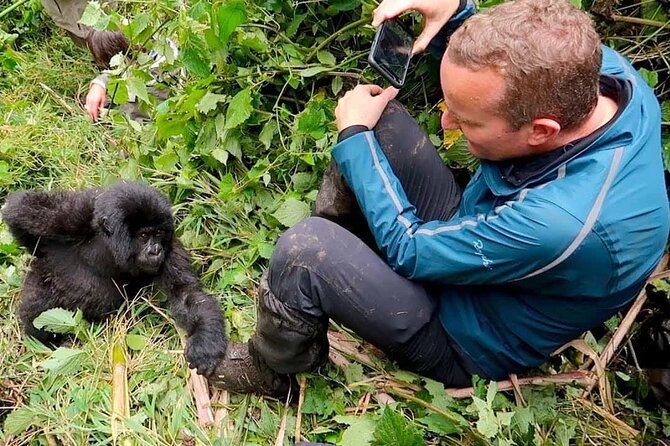
A Self-Drive Gorilla Safari Rwanda to Uganda Itinerary combines independent road travel with one of Africa’s greatest wildlife encounters. The journey usually begins in Kigali, continues through Rwanda’s beautiful northern or southern countryside, and crosses into southwestern Uganda. From there, travellers can visit Bwindi Impenetrable National Park or Mgahinga Gorilla National Park for mountain gorilla trekking.
Starting in Rwanda is a practical choice because Kigali International Airport provides convenient access to Uganda’s gorilla destinations. Depending on the selected border, road conditions, traffic, and trekking sector, the drive from Kigali to Mgahinga or southern Bwindi can often be completed within one day. Therefore, visitors can avoid the much longer road journey from Entebbe or Kampala.
Nevertheless, a successful cross-border self-drive safari requires careful planning. Travellers need the correct vehicle documents, immigration approval, gorilla permits, suitable accommodation, reliable navigation, and enough time for border procedures. The driver must also hold a valid licence accepted in both Rwanda and Uganda.
This guide presents a detailed itinerary, driving advice, border information, accommodation options, packing recommendations, and practical tips for planning a safe and enjoyable Rwanda-to-Uganda gorilla road trip.
Why Choose a Self-Drive Gorilla Safari Rwanda to Uganda Itinerary?
A Self-Drive Gorilla Safari Rwanda to Uganda Itinerary gives travellers greater control over their route. Instead of following a fixed group schedule, visitors can select departure times, accommodation, meal stops, and additional attractions. They can also spend more time enjoying Rwanda’s hills, Uganda’s mountain scenery, and the rural communities along the route.
The journey offers financial and logistical advantages as well. Uganda gorilla trekking permits often cost less than permits for trekking in Rwanda. At the same time, Kigali is closer to Mgahinga Gorilla National Park and the southern sectors of Bwindi than Uganda’s main international airport at Entebbe. As a result, travellers can combine an arrival in Rwanda with gorilla trekking in Uganda.
Self-driving also creates opportunities to add Lake Mutanda, Lake Bunyonyi, Volcanoes National Park, golden monkey trekking, Batwa cultural experiences, Kigali city tours, or Akagera National Park. Therefore, the trip can become a complete Rwanda and Uganda safari rather than a simple transfer to the gorillas.
However, self-driving is not the right choice for everyone. Drivers must feel confident on unfamiliar roads and accept responsibility for navigation, fuel, border paperwork, and vehicle care. A professionally guided safari may offer better value for travellers who prefer to relax and focus entirely on the experience.
Overview of the Rwanda-to-Uganda Gorilla Safari Route
Most cross-border gorilla road trips begin in Kigali. Travellers then choose a route according to the location of their Uganda gorilla permit.
The Cyanika border is convenient for Kisoro, Mgahinga Gorilla National Park, Lake Mutanda, and several accommodation options serving the Rushaga and Nkuringo sectors of Bwindi. The Gatuna–Katuna border can work well for travellers continuing through Kabale toward Ruhija, Buhoma, or Lake Bunyonyi.
Your gorilla trekking sector determines the most suitable border and overnight location. Bwindi has four main trekking sectors: Buhoma, Ruhija, Rushaga, and Nkuringo. Uganda Wildlife Authority confirms these four sectors and also identifies Mgahinga Gorilla National Park as Uganda’s other mountain gorilla trekking destination.
A permit booked for Rushaga cannot simply be used in Buhoma. Therefore, visitors must confirm the exact sector before reserving a lodge or planning the driving route.
Recommended 5-Day Self-Drive Gorilla Safari Rwanda to Uganda Itinerary
This five-day route provides enough time for Kigali, cross-border travel, gorilla trekking, and a scenic return journey. It avoids placing too much driving and trekking into a short schedule.
Day 1: Arrival in Kigali and Vehicle Collection
Arrive at Kigali International Airport, complete immigration formalities, and collect your luggage. A representative from the vehicle rental company should meet you at the airport or transfer you to the rental office.
Before accepting the vehicle, inspect it carefully. Check the tyres, spare wheel, jack, wheel spanner, lights, indicators, windscreen, mirrors, seat belts, fuel level, and warning lights. Photograph the vehicle from several angles and record any existing damage on the inspection form.
Next, review the rental agreement and cross-border documents. The rental company must clearly authorise you to take the vehicle from Rwanda into Uganda. Ask for the original or accepted copies of the registration document, insurance certificate, cross-border authorisation, and any other papers required by the border authorities.
You should also confirm roadside assistance procedures. Save the rental company’s telephone and WhatsApp numbers, and ask what to do in case of a puncture, mechanical problem, or accident.
After the vehicle handover, drive to your Kigali hotel. If arrival is early, visit the Kigali Genocide Memorial, a local art centre, Kimironko Market, or another city attraction. However, avoid a long city program after an overnight flight.
Spend the evening reviewing the route. Download offline maps because mobile coverage may weaken in mountain areas. Finally, organise passports, visa approvals, yellow fever certificates where required, vehicle papers, gorilla permits, and lodge confirmations in one accessible travel folder.
Overnight: Kigali
Meal plan: Bed and breakfast
Day 2: Kigali to Kisoro through the Cyanika Border
After breakfast, leave Kigali and drive north toward Musanze. The road offers views of Rwanda’s green hills, cultivated valleys, and the Virunga volcanoes.
Allow time for traffic and occasional stops. Although online maps provide estimated journey times, actual travel may take longer because of weather, roadworks, border procedures, or slow vehicles.
In Musanze, stop for fuel, refreshments, or an early lunch. This is also a good place to withdraw cash or buy supplies before entering a more rural area.
Continue toward the Cyanika border. Park in the designated area and follow the instructions from immigration and customs officials. Each traveller must complete the required exit and entry procedures. The vehicle may require a separate customs process.
Do not hand passports or money to unofficial helpers. Instead, use clearly marked government offices and request official receipts for any required payment.
After entering Uganda, continue toward Kisoro. The landscape includes volcanic mountains, farmland, trading centres, and winding roads. Drive slowly because pedestrians, bicycles, motorcycles, livestock, and roadside activity may appear with little warning.
If your permit is for Mgahinga, you can stay in Kisoro or near the park. Travellers trekking in Rushaga or Nkuringo may continue toward a lodge closer to their assigned sector. However, this final section should be completed before dark.
Check in, enjoy dinner, and prepare your trekking equipment. Ask the lodge to confirm the following morning’s departure time and briefing location.
Overnight: Kisoro, Lake Mutanda, Rushaga, Nkuringo, or near Mgahinga
Meal plan: Breakfast, lunch, and dinner
Day 3: Gorilla Trekking in Bwindi or Mgahinga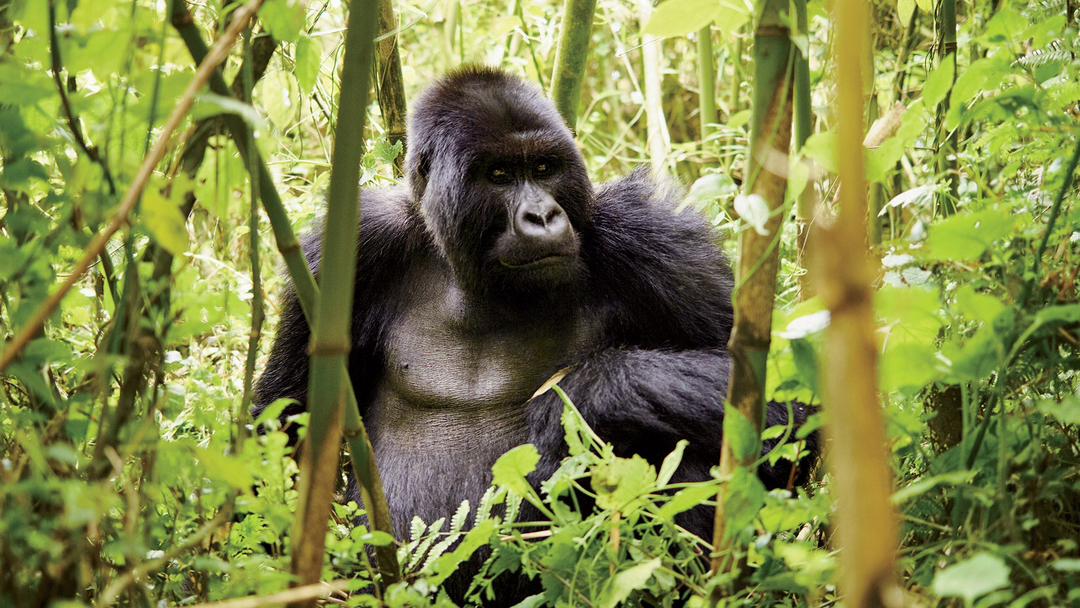
Wake up early and eat a good breakfast. Carry packed drinking water and lunch if the lodge provides them. Wear long trousers, a long-sleeved shirt, sturdy hiking boots, and a waterproof jacket.
Drive to the correct park office before the stated briefing time. Do not rely on a general “Bwindi headquarters” search because the park has several separate sectors. Enter the precise briefing location into your navigation system the evening before.
At the park office, staff will verify the gorilla permit and passport details. Rangers then explain trekking rules, group arrangements, and expected forest conditions. Porters are usually available to carry a daypack and assist on difficult sections.
The trek can last from a few hours to most of the day. Duration depends on the gorillas’ location, terrain, weather, and the group’s walking speed. Once the trackers locate the assigned gorilla family, visitors receive a regulated observation period under ranger supervision.
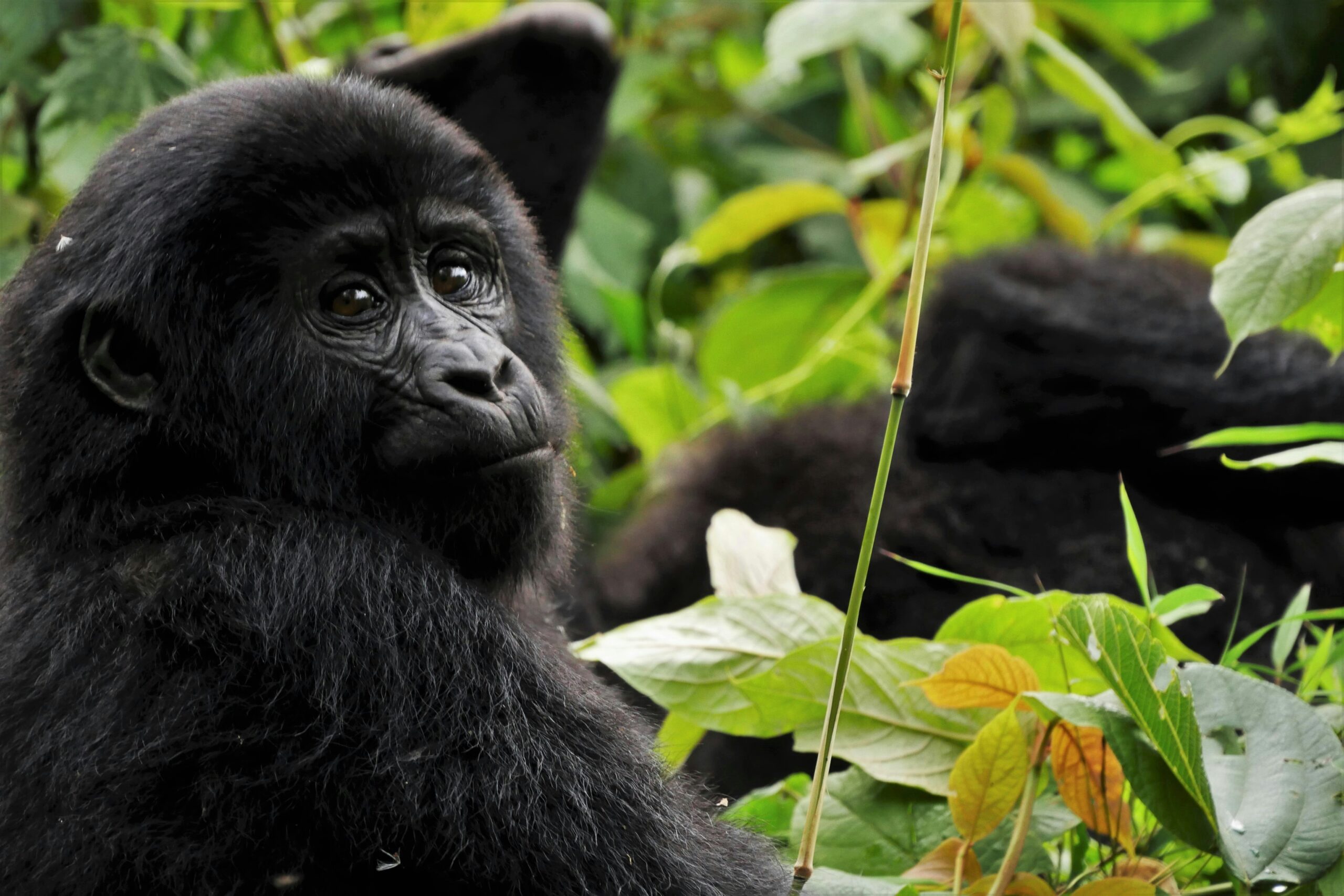
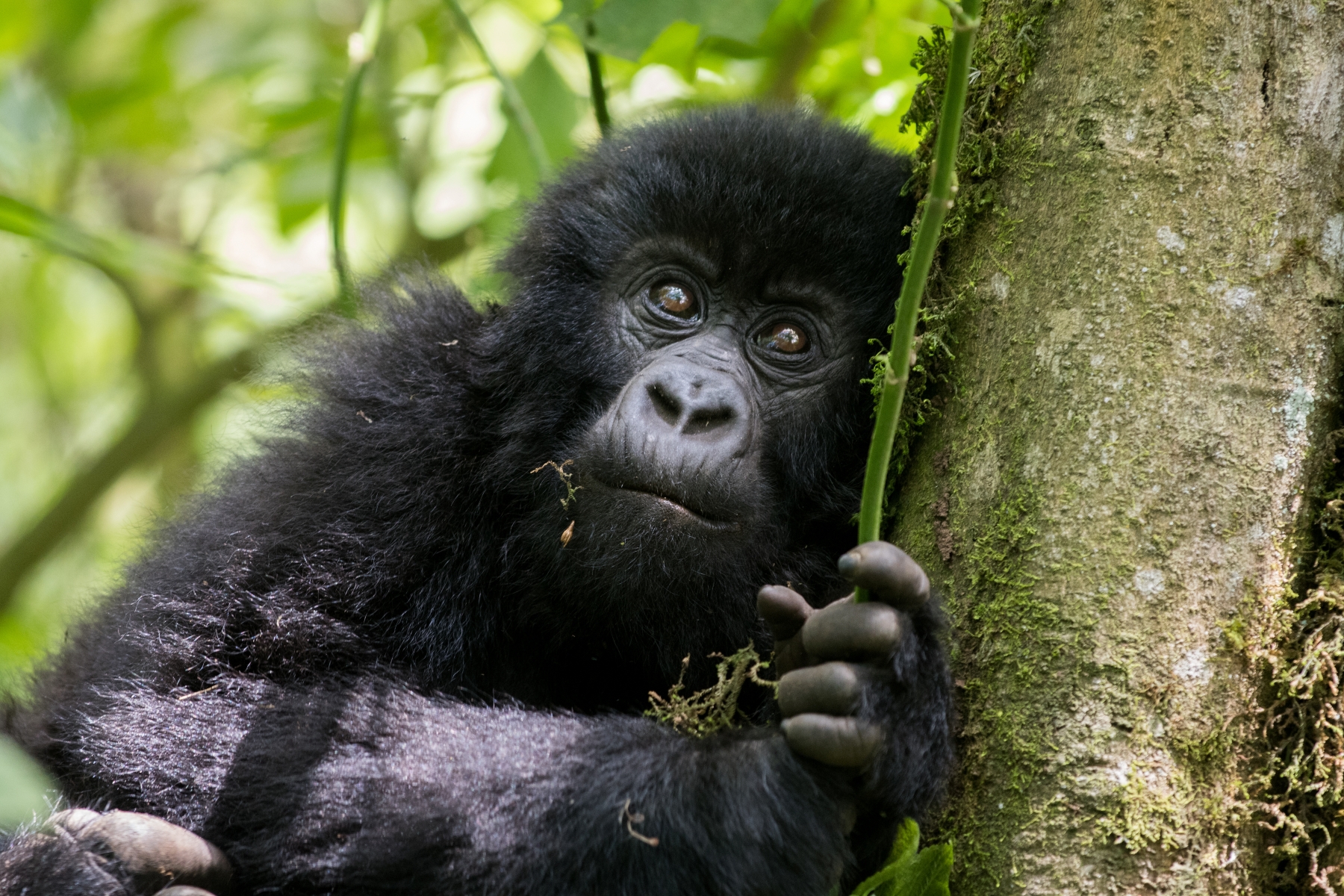
Mountain gorillas remain wild animals. Therefore, sightings and animal positions cannot be controlled. Some gorillas may rest nearby, while others may feed behind vegetation or move through the forest. Guests should follow every ranger instruction and avoid sudden movement or loud noise.
After the trek, return to the park office and meet the group for the drive back to the lodge. The afternoon should remain flexible because the finishing time cannot be predicted.
Take a warm shower, rest, and enjoy dinner. Avoid planning another demanding activity on the same day.
Overnight: Near the selected gorilla trekking sector
Meal plan: Breakfast, packed lunch, and dinner
Day 4: Lake Mutanda, Lake Bunyonyi or Batwa Cultural Experience
After an early start on trekking day, the fourth day provides time for a slower activity. The best option depends on the lodge location and planned return route.
Travellers staying near Kisoro can visit Lake Mutanda. Surrounded by hills and volcanic scenery, the lake provides a peaceful setting for a guided boat or canoe experience. Local guides can explain the islands, communities, farming, fishing, and landscape.
Guests near Kabale may continue to Lake Bunyonyi. The lake is known for its steep terraced hills and many islands. Activities can include a boat ride, community visit, birdwatching, or a quiet afternoon at the lodge.
A Batwa cultural experience provides another option near Bwindi or Mgahinga. When booked through a responsible community project, the visit can introduce travellers to traditional forest knowledge, songs, storytelling, tools, and local history.
Those who prefer another wildlife activity can book golden monkey tracking in Mgahinga. However, this requires advance planning and an activity permit. It also involves another forest walk, so travellers should consider their energy after gorilla trekking.
Drive to the selected overnight lodge while there is still plenty of daylight. Refuel when possible and prepare the documents needed for the next day’s border crossing.
Overnight: Kisoro, Lake Mutanda, Lake Bunyonyi, or Kabale
Meal plan: Breakfast and dinner, depending on the lodge arrangement
Day 5: Uganda to Kigali and Departure
Eat breakfast and begin the return drive toward Rwanda. The selected border will depend on your overnight location and travel plan.
From Kisoro or Lake Mutanda, the Cyanika border may remain the easiest option. From Kabale or Lake Bunyonyi, the Katuna–Gatuna route may be more practical.
At the border, complete the Uganda exit process, vehicle customs formalities, and Rwanda entry procedures. Keep all documents available until officers have completed the process.
Continue to Kigali after crossing. Leave a generous time allowance if connecting with an international flight. Border delays, traffic, weather, or a tyre problem could affect the schedule. For an early flight, spending an additional night in Kigali is safer than travelling directly from Uganda on departure day.
Return the rental vehicle according to the agreement. Complete the final inspection with the company representative and obtain written confirmation of the vehicle’s return condition.
Short 3-Day Self-Drive Gorilla Safari Rwanda to Uganda Itinerary
A three-day itinerary is possible for travellers with limited time. However, it requires early departures and careful coordination.
Day 1: Kigali to Bwindi or Mgahinga
Collect the vehicle early in Kigali and drive toward the selected border. Continue to a lodge near the assigned trekking sector and arrive before dark.
Day 2: Gorilla Trekking
Attend the morning briefing and complete the gorilla trek. Return to the lodge for dinner and overnight.
Day 3: Return to Kigali
Drive back through the appropriate border and continue to Kigali. This itinerary works best when the final night is close to Mgahinga, Rushaga, Nkuringo, Kisoro, or Lake Mutanda.
Although this route is short, travellers should not book a tight evening flight from Kigali. Adding a Kigali overnight reduces the risk created by unexpected road or border delays.
Extended 7-Day Self-Drive Gorilla Safari Rwanda to Uganda Itinerary
A seven-day Self-Drive Gorilla Safari Rwanda to Uganda Itinerary creates more time for scenery, cultural experiences, and primate activities.
Day 1: Arrival and Kigali City Tour
Collect the vehicle, complete the inspection, and explore Kigali. Visit the Kigali Genocide Memorial, an art gallery, or a local market.
Day 2: Kigali to Volcanoes National Park
Drive to Musanze and explore the Twin Lakes, Ellen DeGeneres Campus of the Dian Fossey Gorilla Fund, or a community tourism project. Stay near Volcanoes National Park.
Day 3: Golden Monkey Trekking and Transfer to Uganda
Complete golden monkey trekking in Volcanoes National Park. After lunch, cross through Cyanika and stay in Kisoro or near Lake Mutanda.
Day 4: Gorilla Trekking in Mgahinga or Bwindi
Attend the briefing and enjoy the Uganda gorilla trekking experience. Return to the lodge for rest.
Day 5: Lake Mutanda or Batwa Cultural Experience
Take a guided lake excursion or visit a responsible community project. Continue to Lake Bunyonyi later in the day.
Day 6: Lake Bunyonyi and Return to Rwanda
Enjoy a relaxed morning before driving through Kabale and crossing at Katuna–Gatuna. Continue to Kigali.
Day 7: Kigali and Departure
Return the vehicle and transfer to Kigali International Airport. If the flight leaves late, add a short city experience before departure.
Choosing Between Bwindi and Mgahinga
Uganda offers mountain gorilla trekking in Bwindi Impenetrable National Park and Mgahinga Gorilla National Park. Both destinations provide guided encounters, but their geography and route arrangements differ.
Gorilla Trekking in Bwindi Impenetrable National Park
Bwindi is Uganda’s best-known gorilla destination. It protects a large and biologically rich forest recognised as a UNESCO World Heritage Site. The four trekking sectors provide a wider range of permit and accommodation choices.
Buhoma lies in northern Bwindi. It has a long tourism history and a strong selection of lodges. However, it is farther from Kigali than southern Bwindi.
Ruhija lies on the eastern side of the park. Travellers often reach it through Kabale. Mountain roads around the area can become difficult during heavy rain.
Rushaga and Nkuringo lie in southern Bwindi. They work particularly well for a gorilla safari from Kigali because travellers can cross at Cyanika and continue through Kisoro.
Gorilla Trekking in Mgahinga Gorilla National Park
Mgahinga lies near Kisoro and the Rwanda border. It forms part of the wider Virunga conservation landscape. The park protects mountain gorillas, golden monkeys, bamboo forest, and volcanic scenery.
Its proximity to Cyanika makes it convenient for a short Rwanda-to-Uganda gorilla safari. Nevertheless, daily gorilla permit numbers are more limited than across Bwindi’s multiple sectors. Early booking remains essential.
Vehicle Requirements for a Cross-Border Gorilla Safari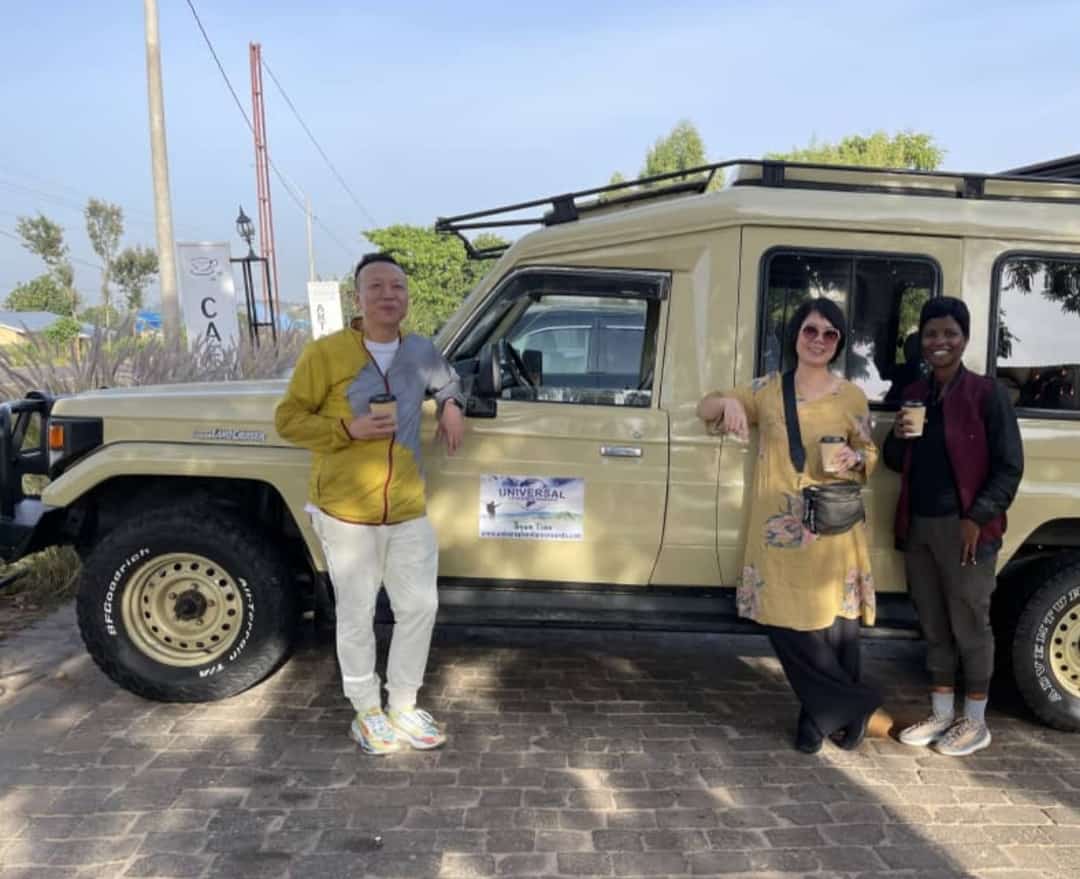
A strong four-wheel-drive vehicle is the best choice for a self-drive gorilla holiday. Main roads between Kigali, Musanze, Kabale, and Kisoro may be paved, but final access roads to several lodges and park offices can be steep, narrow, rough, or muddy.
A Toyota RAV4 may work for two travellers during favourable conditions. However, a Land Cruiser or similar four-wheel-drive vehicle provides more ground clearance, luggage space, and stability on difficult roads.
The vehicle should carry a functional spare tyre, jack, wheel spanner, warning triangle, first-aid kit, and basic emergency equipment. A tyre-pressure gauge and portable inflator can also be useful.
Ask whether the rental includes unlimited kilometres, comprehensive insurance, roadside support, and permission for Uganda. Standard insurance may contain exclusions for tyres, windscreens, underbody damage, careless driving, or unauthorised roads. Read the terms before signing.
Most importantly, only a qualified, appropriately licensed adult should drive. The driver must also follow the rental company’s age, licensing, and insurance requirements.
Cross-Border Vehicle Documents
Never assume that a Rwanda rental vehicle can automatically enter Uganda. The rental company must approve the journey and provide the required documentation.
Depending on current requirements, documents may include:
- Vehicle registration papers
- A cross-border authorisation letter
- Valid insurance for both countries
- Customs or temporary vehicle documentation
- A valid driving licence
- An International Driving Permit when required
- Copies of the rental agreement
- Emergency and roadside-assistance contacts
Border and vehicle rules can change. Therefore, confirm the exact requirements with the rental company and the relevant authorities shortly before departure.
Do not accept only a verbal promise that the vehicle can cross. Ask for written confirmation and review the documents before leaving Kigali.
Visas and Immigration for Rwanda and Uganda
Visa requirements depend on nationality, passport type, residency, and travel route. Each traveller should check the latest official requirements before departure.
The East African Tourist Visa can allow eligible travellers to visit Rwanda, Uganda, and Kenya for tourism. It is normally issued by the country of first entry and is valid for travel within the participating countries, subject to its conditions. Uganda’s official immigration information describes it as a 90-day joint tourist visa for Rwanda, Uganda, and Kenya. Uganda Immigration also states that the issuing country should be the traveller’s first entry point.
Travellers who require a standard Uganda tourist visa should use the official online immigration system. Avoid unofficial visa websites that charge unnecessary service fees or collect personal information.
Keep the following documents ready:
- A passport with adequate remaining validity
- Visa or travel authorisation
- Gorilla permit confirmation
- Accommodation details
- Return or onward travel information
- Yellow fever vaccination documentation when required
- Vehicle documents
- Travel insurance information
Immigration authorities make the final entry decision. Therefore, a tour booking or gorilla permit does not replace a visa.
Booking Uganda Gorilla Permits
A gorilla permit is compulsory for each person joining a gorilla trek. Permits remain limited and may sell out during popular travel periods.
Book the permit before reserving non-refundable accommodation. The document must show the correct visitor details, date, destination, and trekking sector.
Uganda Wildlife Authority has issued guidelines stating that gorilla and chimpanzee permits are sold through licensed tour operators under its current system. Therefore, travellers can ask an authorised Uganda tour operator to secure the permit and provide official confirmation.
Permit prices and booking rules may change. Always verify the current amount and conditions with Uganda Wildlife Authority or a licensed operator before payment.
A gorilla permit usually covers the regulated trekking experience and park services attached to the activity. It does not normally cover accommodation, transportation, meals, visas, porters, personal equipment, or travel insurance.
Best Time for a Rwanda-to-Uganda Self-Drive Gorilla Safari
Gorilla trekking operates throughout the year. However, weather can affect road and trail conditions.
June to September
The longer dry season often offers easier driving and hiking conditions. Roads may be less muddy, while forest trails may provide firmer footing. Because demand is high, permits and lodges should be reserved early.
December to February
The shorter dry period is another popular travel season. It can provide good conditions for gorilla trekking, photography, and cross-border driving.
March to May
The main rainy season brings greener scenery and fewer visitors. However, unpaved roads can become muddy, while forest trails may feel more demanding. A reliable four-wheel-drive vehicle becomes particularly important.
October and November
Short seasonal rains often occur during these months. Conditions may change quickly, so travellers should carry waterproof clothing and maintain a flexible schedule.
Rain can fall at any time in Bwindi and Mgahinga. Both destinations protect mountain forests, so a waterproof jacket remains essential throughout the year.
Driving Conditions and Navigation
Rwanda has a relatively compact road network, and many major routes are in good condition. Nevertheless, mountain roads require attention. Curves, fog, rain, pedestrians, cyclists, and slow vehicles can appear unexpectedly.
In Uganda, roads between border towns and tourism centres vary. Main highways may be paved, while the final routes to Bwindi lodges or trekking offices can be rough.
Download offline maps before leaving Kigali. However, do not rely only on a navigation application. Some map services may select a shorter but unsuitable rural track. Ask the lodge and rental company for the recommended route.
Carry a local SIM card or ensure that roaming works in both countries. Mobile coverage may disappear in forested and mountainous areas, so share the day’s route with the lodge before departure.
Avoid driving after dark. Road hazards become harder to see, and finding a remote lodge can be difficult. Plan to reach each destination before sunset.
Gorilla Trekking Rules
Gorilla trekking rules protect both the animals and visitors. Rangers explain the latest requirements during the briefing.
Guests must follow the required viewing distance, remain with the assigned group, keep noise low, and avoid using flash photography. Eating and drinking near the gorillas are not allowed.
Visitors who feel sick must inform the park staff. Gorillas can catch some human illnesses, so health rules form an important part of conservation.
Do not touch the gorillas, even if one approaches. Stay calm and follow the ranger’s instructions. Visitors should also avoid littering or removing anything from the forest.
The permitted observation time begins once the trekking group reaches the gorillas. However, the full forest experience may take several hours.
What to Pack for Gorilla Trekking
Good clothing improves comfort during a forest trek. Wear long trousers and a long-sleeved shirt to protect the skin from plants and insects. Choose hiking boots with strong grip because the trail may be steep or muddy.
Carry a lightweight waterproof jacket, drinking water, packed lunch, insect repellent, sunscreen, gardening-style gloves, and personal medication. Gaiters can help keep mud and insects away from the lower legs.
Protect cameras and phones with waterproof covers. A small backpack works better than a large travel bag.
Porters can carry bags and provide support on difficult sections. Hiring a porter also directs income toward people living around the conservation area.
Accommodation for a Self-Drive Gorilla Safari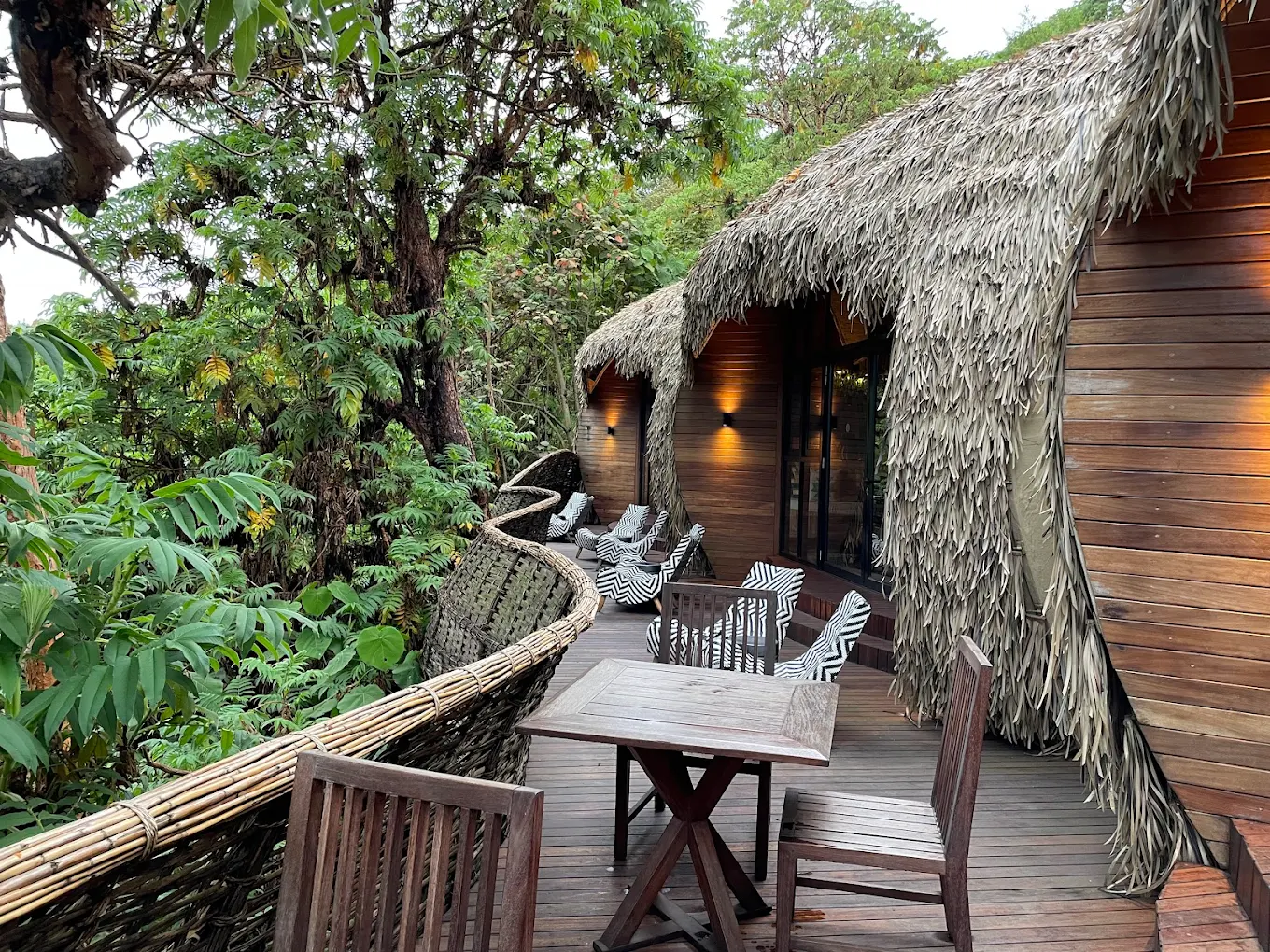
Select accommodation according to the trekking sector rather than choosing only by price or online appearance. A lodge on the wrong side of Bwindi can involve several hours of additional driving.
Rushaga and Nkuringo offer budget, midrange, and luxury properties in southern Bwindi. Kisoro provides convenient town accommodation for Mgahinga and nearby attractions. Lake Mutanda has scenic lodges that work well for both Mgahinga and parts of southern Bwindi.
Buhoma has a broad range of established gorilla lodges. Ruhija also offers several forest properties, although access roads require careful planning.
Ask each lodge for precise directions and the recommended road. Request GPS coordinates and a reachable telephone number. You should also confirm parking security, meal times, packed lunch arrangements, and the distance to the briefing point.
Suggested Safari Inclusions
A complete self-drive package may include vehicle rental, approved cross-border documents, vehicle insurance, roadside assistance, accommodation, selected meals, gorilla permits, and itinerary planning.
Some packages also provide airport delivery, local SIM cards, coolers, camping equipment, or a replacement vehicle in case of a major mechanical problem.
Common exclusions include fuel, visas, border charges, personal insurance, tips, drinks, optional activities, traffic penalties, tyre damage, and costs caused by careless driving.
Read the final quotation carefully. A low daily rental price may become expensive after cross-border fees, insurance upgrades, mileage limits, equipment charges, and taxes are added.
Responsible Self-Drive Travel
Drive slowly through communities and respect local traffic rules. Reduce speed near schools, markets, livestock, cyclists, and pedestrians.
Do not leave waste beside roads or inside national parks. Carry reusable water bottles and a small rubbish bag in the vehicle.
Book cultural activities through responsible local programs. Ask permission before photographing people, homes, farms, or children.
Never feed wild animals. Food changes their behaviour and may create conflict with people.
Finally, support local guides, porters, accommodation providers, craft makers, and community enterprises. Gorilla tourism should benefit both conservation and the people who live near the protected forests.
Frequently Asked Questions
Can I rent a vehicle in Rwanda and drive to Uganda?
Yes, some rental companies allow it. However, you need written permission, valid cross-border documents, and insurance that applies in Uganda.
Is a four-wheel-drive vehicle necessary?
A four-wheel-drive vehicle is strongly recommended. Access roads near Bwindi and Mgahinga may become rough or muddy, especially during rainy periods.
Which Uganda gorilla park is closest to Kigali?
Mgahinga Gorilla National Park is highly convenient from Kigali through the Cyanika border. Rushaga and Nkuringo in southern Bwindi are also practical choices.
Can I cross the border with a one-way rental?
Only if the rental company offers an authorised international one-way service. Standard rental agreements usually require the vehicle to return to Rwanda.
Can I drive from Kigali and trek gorillas on the same day?
This is not advisable. Gorilla briefings begin early, while border and road delays are unpredictable. Stay near the trekking sector on the previous night.
Is it safe to drive at night?
Night driving should be avoided. Visibility is lower, roadside hazards are harder to detect, and navigation becomes more difficult in rural areas.
Can I choose my trekking sector after arriving?
No. The permit normally links the visitor to a specific destination, date, and sector. Confirm these details before booking accommodation.
How many days should I allow?
Three days provide a short trip. Five days offer better pacing, while seven days allow additional activities in Rwanda and Uganda.
Should I book a self-drive or guided safari?
Choose self-drive if an authorised adult driver has suitable experience and wants flexibility. Choose a guided safari if the group prefers local knowledge, simpler border formalities, and less responsibility for navigation.
Final Thoughts on a Self-Drive Gorilla Safari Rwanda to Uganda Itinerary
A Self-Drive Gorilla Safari Rwanda to Uganda Itinerary offers independence, beautiful scenery, and direct access to Uganda’s mountain gorilla destinations from Kigali. The route can connect Rwanda’s clean and lively capital with the Virunga Mountains, Mgahinga Gorilla National Park, Bwindi Impenetrable National Park, Lake Mutanda, and Lake Bunyonyi.
However, preparation determines the quality of the journey. Travellers must book the correct gorilla sector, select nearby accommodation, carry valid immigration documents, and obtain written permission for the rental vehicle to cross the border. They should also use a suitable four-wheel-drive vehicle and avoid travelling on unfamiliar rural roads after dark.
A carefully designed Self-Drive Gorilla Safari Rwanda to Uganda Itinerary can include three, five, seven, or more days. Short tours focus on gorilla trekking, while longer journeys add golden monkeys, cultural experiences, lakes, birdwatching, and scenic stops.
For vehicle rental, gorilla permits, accommodation reservations, cross-border documents, or a customised Rwanda and Uganda self-drive safari, contact:
Universal Ventures Rwanda
KK 15 Rd, Kigali, Rwanda
Phone/WhatsApp: +250 781 441 853
Email: info@universalventuresrwanda.com
Website: www.universalventuresrwanda.com

Related Posts

Comments (0)