
Traveling from Kigali to gorilla trekking in Volcanoes National Park is one of the most…
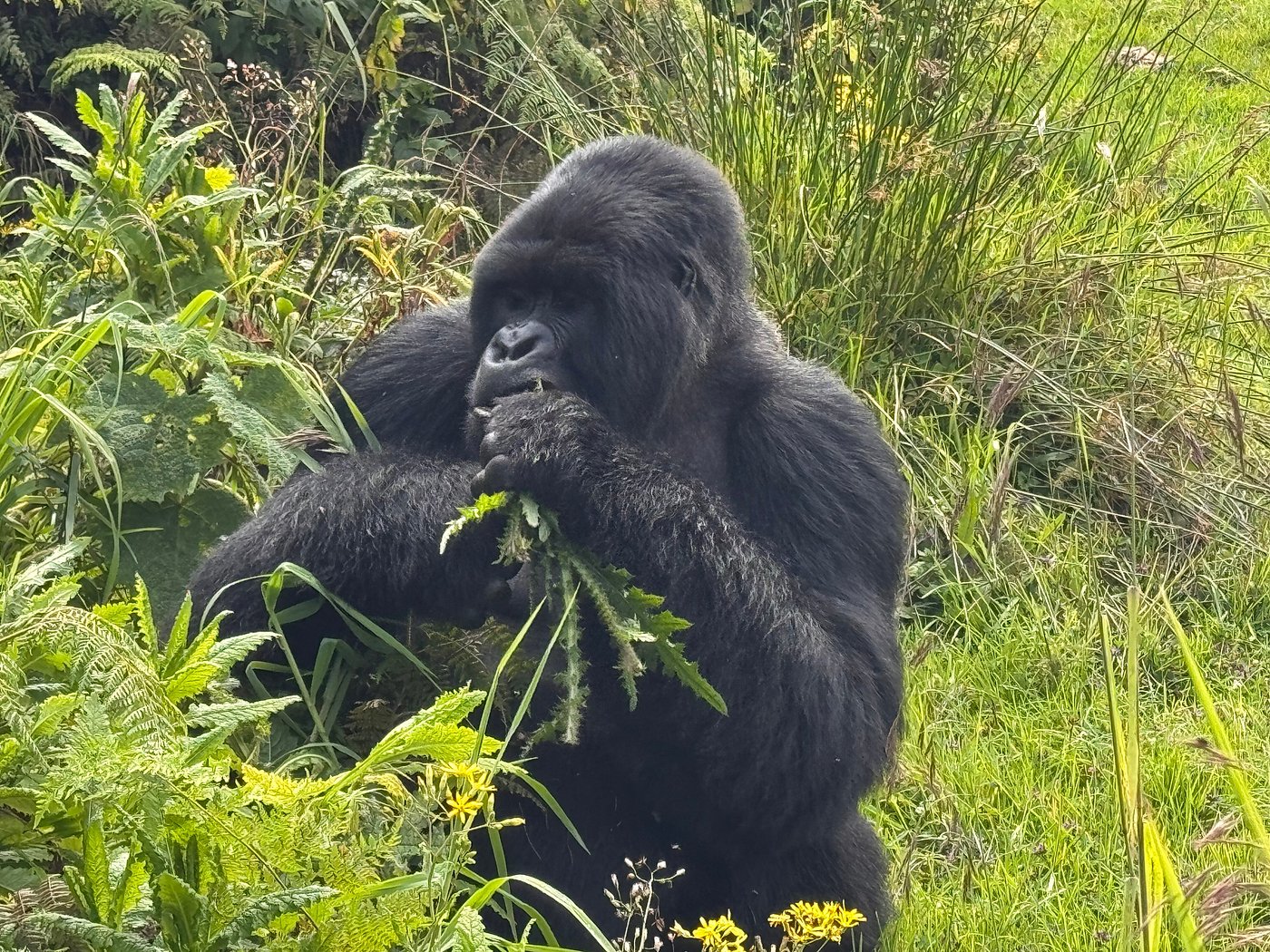
Family Gorilla Safari Rwanda and Uganda Guide
A family gorilla safari Rwanda and Uganda can become one of your most memorable holidays. Both countries offer mountain gorillas, green landscapes, rich culture, and warm hospitality. However, a family trip needs careful planning.
The age of each child matters. Gorilla trekking in Rwanda and Uganda has a minimum age of 15 years. Therefore, younger family members cannot join the gorilla trek. Instead, they need safe, supervised activities while older family members visit the forest.
Travel times also deserve attention. Rwanda offers shorter road journeys and easy access from Kigali. Uganda, meanwhile, provides lower-cost gorilla permits and more trekking sectors. Yet, some Uganda routes involve long days in the vehicle.
This complete Family Gorilla Safari Rwanda and Uganda Guide explains how to plan the trip. It covers age rules, permits, family accommodation, transport, packing, health, meals, and sample routes. In addition, it suggests suitable activities for younger children.
Family Gorilla Safari Rwanda and Uganda Guide at a Glance
| Family safari factor | Rwanda | Uganda |
|---|---|---|
| Gorilla trekking park | Volcanoes National Park | Bwindi and Mgahinga |
| Minimum gorilla age | 15 years | 15 years |
| Main arrival point | Kigali | Entebbe or Kigali |
| Road journey to gorillas | Shorter | Longer from Entebbe |
| Standard permit cost | Higher | Usually lower |
| Best for | Short, easy family trips | Longer family adventures |
| Big Five safari | Akagera National Park | Several wildlife areas |
| Chimpanzee trekking | Nyungwe National Park | Kibale and other areas |
| Lake holiday | Lake Kivu | Lake Bunyonyi or Mutanda |
| Ideal trip length | 5–10 days | 7–14 days |
| Cross-border option | Easy connection to Uganda | Easy connection from Kigali |
Why Choose Rwanda and Uganda for a Family Gorilla Safari?
Rwanda and Uganda are two of the few places where visitors can trek mountain gorillas. Therefore, the region offers a rare family travel experience.
A gorilla safari also teaches older children about wildlife protection. They can learn how national parks protect forests, gorillas, birds, and other animals. Moreover, they can see how tourism supports local jobs and community projects.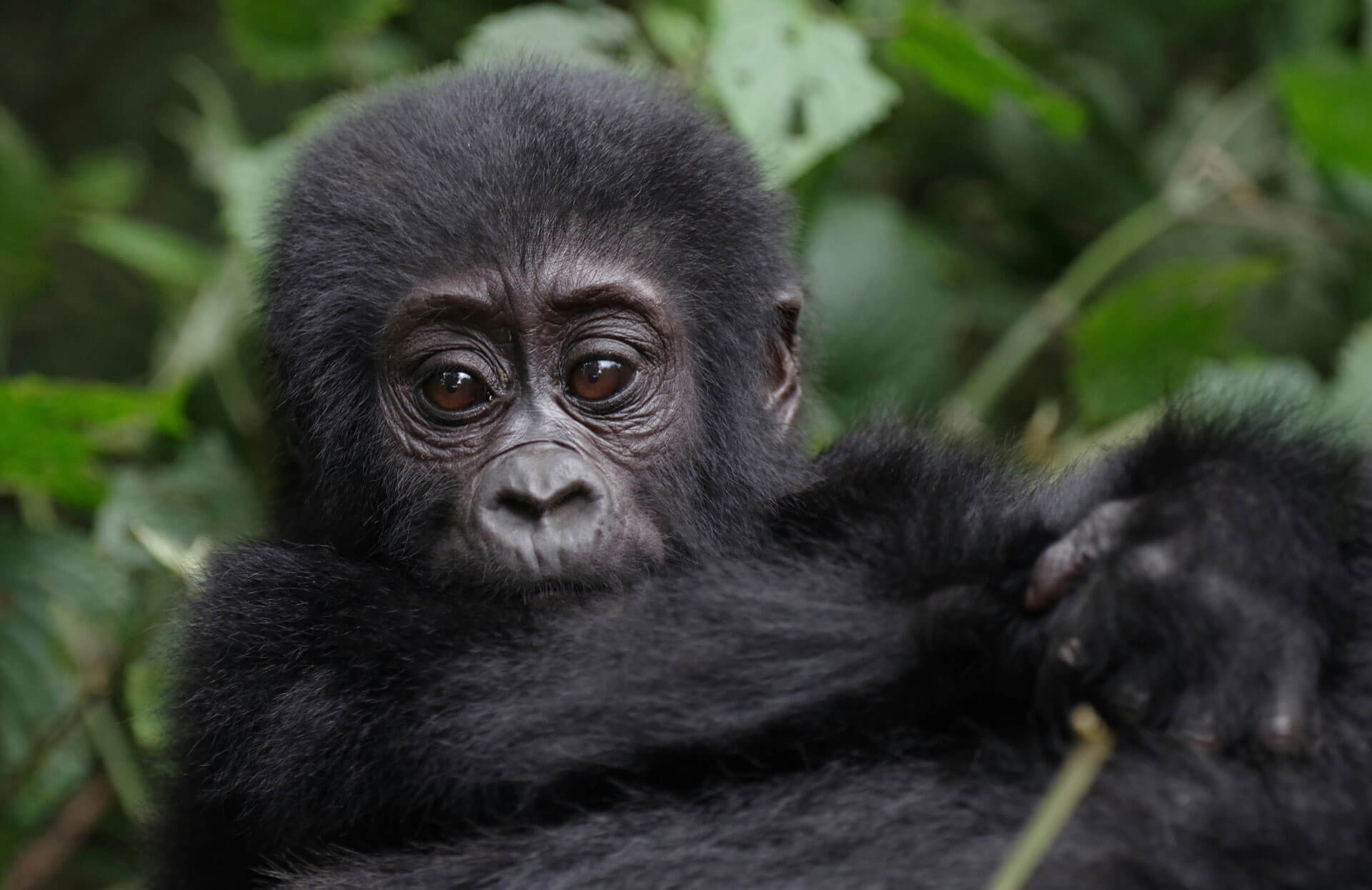
The journey offers more than primates. Families can enjoy game drives, boat trips, cultural tours, nature walks, and lake activities. As a result, the holiday can interest both adults and children.
Rwanda works well for families with limited time. Major destinations are closer together. Therefore, the trip includes fewer long road days.
Uganda suits families who enjoy longer adventures. Its parks cover a larger area and offer many types of wildlife. However, the itinerary should include enough rest.
A Rwanda–Uganda safari can combine the advantages of both countries. For example, a family may arrive in Kigali, explore Rwanda, and then cross into Uganda for a gorilla trek.
What Is the Minimum Age for Gorilla Trekking?
The minimum age for gorilla trekking in both Rwanda and Uganda is 15 years.
Uganda Wildlife Authority’s current tracking guidelines state that visitors must be at least 15 to track and view gorillas. Rwanda also sets the minimum gorilla trekking age at 15.
Therefore, a child who is 14 cannot join the trek. This rule still applies if the child appears strong, tall, or mature.
The age limit protects children and gorillas. Forest walks can be long, steep, muddy, and hard to predict. In addition, gorillas can catch some human illnesses.
Families should confirm each traveller’s date of birth before buying permits. Park staff may request a passport during registration.
Can Younger Children Join a Family Gorilla Safari?
Yes. Younger children can join the wider family holiday. However, they cannot enter the gorilla trek.
The itinerary should include a safe and supervised plan for them. For example, one parent may stay with the younger children while the other parent treks. The adults can then switch roles on a second day if two sets of permits are available.
Another option is to arrange an approved activity with a responsible adult. Depending on the location and the child’s age, this might include a lodge activity, craft session, short community visit, or easy nature experience.
Childcare should never be assumed. Instead, confirm the exact service, supervisor, cost, and schedule before travel.
The child should remain with a parent, legal guardian, or properly arranged adult supervisor. Do not leave a young traveller alone at a lodge.
Planning for a Family With Children of Different Ages
Families often include both teenagers and younger children. Therefore, the itinerary must work for each age group.
Travellers aged 15 or older can join gorilla trekking if they meet current park requirements. Younger children need another activity.
One parent may trek with older teenagers while another parent stays with the younger children. Alternatively, the parents can trek on separate days.
This second option increases the cost because each trekking adult needs a permit for the chosen date. It may also require an extra night near the park.
However, it allows both adults to enjoy the gorilla experience. At the same time, one parent remains with the younger family members.
Families should also avoid comparing children’s abilities. The age rule is fixed and is not based only on fitness.
Rwanda or Uganda: Which Is Better for Families?
Both destinations can provide an excellent family gorilla safari. Still, they offer different benefits.
Why Families Choose Rwanda
Rwanda has shorter driving times. Kigali is also close to Volcanoes National Park. Therefore, families can avoid a full day on the road.
The country is compact and easy to combine. A family can visit Kigali, Volcanoes National Park, Akagera, and Lake Kivu during one holiday.
Rwanda also offers a wide range of good hotels. Family rooms, connected rooms, and private villas are available at selected properties.
The main disadvantage is the gorilla permit price. Rwanda’s standard foreign visitor permit is higher than Uganda’s regular rate.
Nevertheless, shorter transport routes may reduce other costs. Families should therefore compare the complete package rather than the permit alone.
Why Families Choose Uganda
Uganda often offers a lower standard gorilla permit price. It also has more gorilla trekking sectors.
Bwindi has Buhoma, Ruhija, Rushaga, and Nkuringo. Mgahinga Gorilla National Park offers another choice near Kisoro.
Uganda also provides excellent wildlife routes. A family can combine gorillas with Queen Elizabeth National Park, Lake Mburo, or Kibale.
However, driving from Entebbe to Bwindi takes most of the day. Therefore, families should include an overnight stop or domestic flight when possible.
Starting from Kigali can shorten the road journey to southern Bwindi and Mgahinga. As a result, this route is popular for Rwanda–Uganda family safaris.
Family Gorilla Trekking in Rwanda
Gorilla trekking in Rwanda takes place in Volcanoes National Park. The park lies in the northwest of the country near Musanze.
The drive from Kigali normally takes a few hours. Therefore, families can travel at a relaxed pace and reach the lodge before evening.
Mountain views, farms, and small towns make the drive interesting. In addition, the road is shorter than many Uganda routes.
On trekking day, eligible family members attend an early briefing. Rangers then place visitors into trekking groups.
The forest walk may last a few hours or most of the day. Gorilla movements, weather, and the group’s walking pace all affect the duration.
As a result, younger children should not wait without a clear programme. Their activity and supervision must cover the full possible trekking time.
Family Gorilla Trekking in Uganda
Uganda offers gorilla trekking in Bwindi and Mgahinga.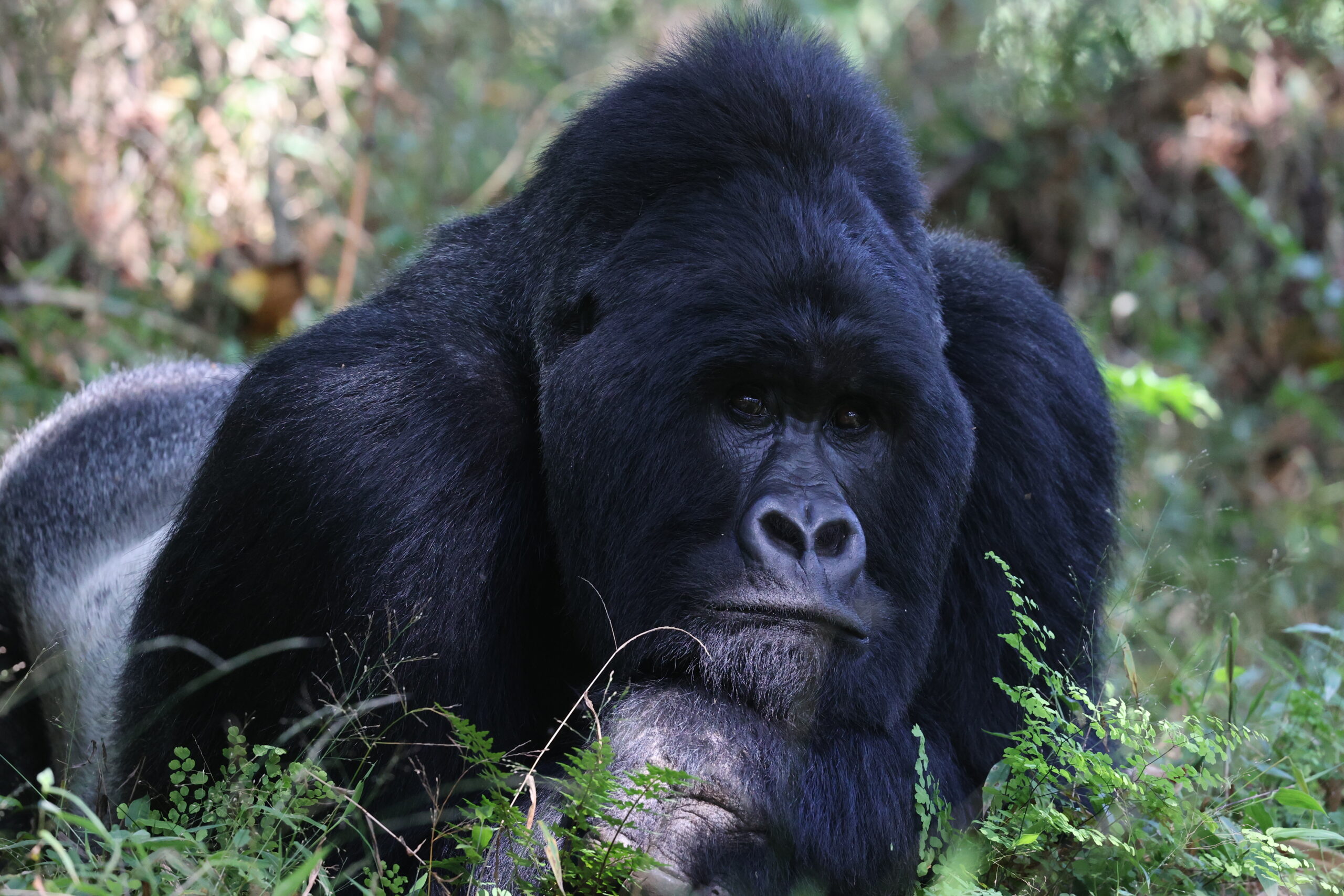
Bwindi is a large forest with four separate sectors. Therefore, accommodation must match the sector shown on the permit.
A lodge near Buhoma may be far from Rushaga or Nkuringo. For this reason, always confirm the permit before booking the family room.
Mgahinga lies near Kisoro and the Rwanda border. It offers gorilla trekking, golden monkeys, and mountain scenery.
Southern Bwindi and Mgahinga are easy to combine with Kigali. Meanwhile, Buhoma connects well with the Ishasha area of Queen Elizabeth National Park.
Uganda’s forest roads can become rough during wet weather. Consequently, families should use a reliable four-wheel-drive vehicle.
Family Gorilla Permits
Every eligible person needs a separate permit. This includes parents and teenagers aged 15 or older.
The permit is valid for a specific date and park area. In Uganda, it may also be linked to a Bwindi trekking sector.
Permit prices and special offers can change. Therefore, request the current rate before paying.
During busy periods, permits may sell out several months ahead. June to September and December to February are popular travel times.
Christmas, New Year, and school holiday periods may also be busy. As a result, families should book early.
Before payment, provide each traveller’s full passport details. Names and dates of birth must be correct.
Book Permits Before Flights and Lodges
Gorilla permits should guide the rest of the booking process.
First, choose possible travel dates. Next, check permit availability for every eligible family member.
Once the permits are available, confirm the park and sector. After that, book nearby accommodation.
Finally, reserve international flights and the remaining safari services.
This order reduces the risk of booking a lodge in the wrong location. It also protects the family from expensive date changes.
Permit cancellation and rescheduling rules may be strict. Therefore, read the terms before paying.
Preparing Teenagers for Gorilla Trekking
Teenagers who meet the age rule should understand that gorilla trekking is a real forest activity. It is not a short visit to a wildlife centre.
The walk may include mud, steep hills, thick plants, and changing weather. Therefore, regular walking before the trip can help.
No extreme training plan is needed. Instead, families can take steady walks and practise using hiking boots.
Each teenager should understand the park rules. They must stay with the group, listen to the ranger, and remain calm near the gorillas.
Phones and cameras should not distract from safety. Moreover, flash photography is not allowed.
Parents should discuss any health or mobility concern with the operator before paying for permits.
Safe Activities for Younger Children in Rwanda
Rwanda offers many activities that do not involve gorilla trekking.
Akagera National Park is a strong family choice. Children can see elephants, giraffes, zebras, buffaloes, antelopes, and other animals from a safari vehicle.
A boat trip on Lake Ihema may also suit families, subject to the operator’s age and safety rules. The lake is known for hippos, crocodiles, and waterbirds.
Lake Kivu provides time to relax. Families may enjoy lakeside hotels, approved boat trips, walking, and cultural visits.
Kigali offers museums, art centres, markets, and city tours. However, parents should choose historical visits according to each child’s age and needs.
Community activities may include crafts, food, music, dance, or farm visits. Always book through a responsible provider.
Safe Activities for Younger Children in Uganda
Uganda also offers several family-friendly activities.
Queen Elizabeth National Park provides game drives and Kazinga Channel boat cruises. Wildlife may include elephants, buffaloes, hippos, and antelopes.
Lake Mburo offers shorter wildlife experiences. Depending on current rules and age limits, families may enjoy game drives, boat trips, or approved guided activities.
Lake Bunyonyi can provide a relaxed break after long road journeys. Families can enjoy scenery, lodge time, and approved water activities.
Near Bwindi, selected lodges or community organisations may offer crafts, village visits, or short walks. However, confirm the age requirements and adult supervision.
Activities near Mgahinga and Kisoro may also be available. Yet, younger children cannot join gorilla trekking simply because they are staying near the park.
Choosing Family-Friendly Accommodation
The right lodge can make the safari much easier.
Ask whether the property has family rooms, connected rooms, or private cottages. In addition, confirm how many people can sleep in each room.
A large room does not always mean it is approved for the full family. Therefore, request the exact room plan before booking.
Families with younger children may prefer ground-floor rooms. Balconies, steep steps, open fires, and unfenced water areas should also be discussed.
Choose accommodation with safe parking and reliable meals. A swimming pool may be useful during rest time, but children need adult supervision.
Near the gorilla parks, location is essential. The lodge should match the briefing point used by the trekking adults.
Family Lodges Near Volcanoes National Park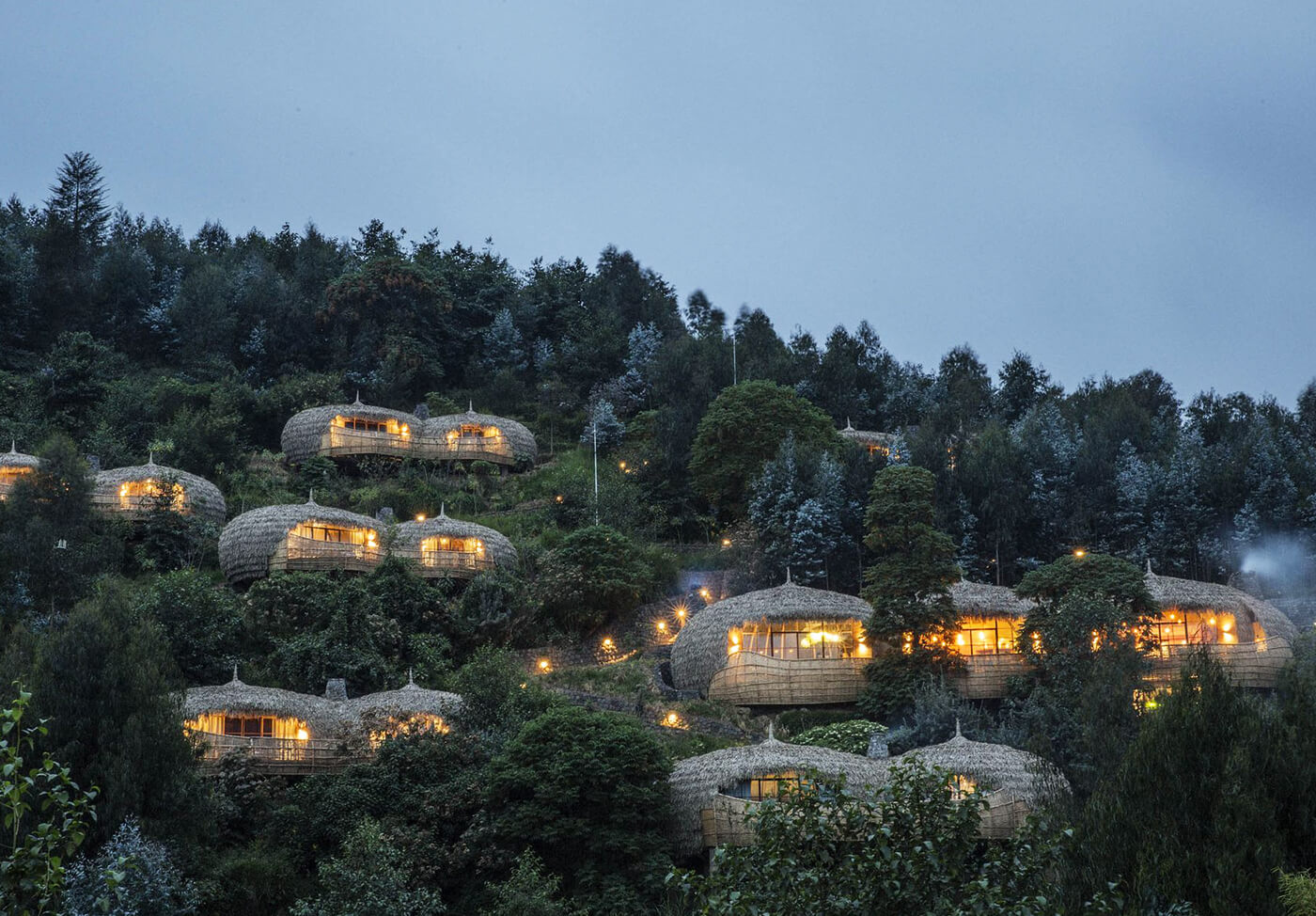
Musanze and the Volcanoes area offer budget, midrange, luxury, and high-end accommodation.
Some properties provide family cottages or connected rooms. Others may add an extra bed to a larger room.
However, room layouts and age policies differ. Therefore, ask for written confirmation.
Families should also check the driving time to the park headquarters. A shorter transfer creates an easier trekking morning.
If younger children remain at the lodge, confirm the available supervised activity before arrival. Do not assume that normal hotel staff provide childcare.
Family Lodges Near Bwindi
Bwindi accommodation is spread across four sectors. Therefore, the correct location matters more than the lodge’s general description.
Buhoma has a wide range of accommodation. It also connects well with Queen Elizabeth National Park.
Rushaga and Nkuringo offer good choices for families travelling from Kigali or Kisoro. Ruhija, meanwhile, provides a quieter forest setting.
Ask about family rooms, electricity, hot water, meals, and road access. In addition, confirm whether the lodge prepares packed lunches.
Some properties sit on steep hills. Families with young children or mobility concerns should discuss the paths and steps before booking.
Family Lodges Near Mgahinga
Kisoro and the Mgahinga area offer several accommodation levels.
Families may stay near the park, beside Lake Mutanda, or closer to Kisoro town. Each choice has a different driving time.
A lakeside lodge may provide a relaxed atmosphere. However, water activities must follow the lodge’s safety and age rules.
Properties near Kisoro may offer easier access to shops or health services. Yet, the park transfer may take longer.
Therefore, choose the lodge according to your full family plan, not only the trekking adults.
Choosing the Right Safari Vehicle
A family safari vehicle should have enough space for passengers and luggage.
A private four-wheel-drive vehicle often works best. It allows the family to stop when needed and adjust the daily schedule.
Seat belts should be available and used. In addition, the vehicle should be well maintained.
Ask about car-seat arrangements when travelling with younger children. Local availability and legal requirements may differ from those in your home country.
Do not assume that a normal safari vehicle includes a suitable child seat. Instead, confirm the exact arrangement before arrival.
Air conditioning may be helpful in Kigali and warmer areas. However, some safari vehicles use opening windows and a raised roof for wildlife viewing.
Reducing Long Family Driving Days
Long road journeys can make children tired. Therefore, break the route into smaller parts.
In Rwanda, travel times are already shorter. Even so, stop for meals, toilets, and scenic views.
For Uganda, consider an overnight stop between Entebbe and Bwindi. Lake Mburo or another suitable location can divide the journey.
A domestic flight may also save time. However, small aircraft may have strict baggage limits.
Starting in Kigali is another option. Southern Bwindi and Mgahinga are closer to Kigali than to Entebbe.
Regardless of the route, avoid arriving after dark. Mountain roads become harder to follow at night.
Family Border Crossing Between Rwanda and Uganda
A combined safari may include a land border crossing.
Every family member needs the correct travel documents. Children must also have valid passports.
Depending on family circumstances, border authorities may request documents showing permission for a child to travel. Therefore, parents or guardians should confirm the current requirements before departure.
Keep passports, visa papers, vaccination records, and travel documents easy to reach.
The safari company should prepare any required vehicle paperwork. However, families remain responsible for their personal immigration documents.
Border processing may take time. As a result, carry drinking water and allow a flexible schedule.
Health Planning for a Family Gorilla Safari
Speak to a qualified travel-health professional before departure.
Health advice depends on each traveller’s age, medical history, and route. Therefore, one general plan may not suit the whole family.
Ask about routine vaccines, yellow fever, and malaria prevention. In addition, discuss any medicine needed during the trip.
Carry personal medicine in hand luggage. Keep it in the original packaging where possible.
Bring enough medicine for the full journey. A small extra supply may help if a flight is delayed.
Travel insurance should cover every family member. It should also include medical care, cancellation, and emergency transport.
Protecting Gorillas From Human Illness
Gorillas can catch some human illnesses. Therefore, anyone with signs of an infectious illness must tell the guide or ranger.
Do not hide symptoms to avoid missing the trek. Gorilla health and visitor safety come first.
Follow all current instructions about distance, masks, coughing, and hand cleaning.
Food and drinks are not allowed during the close gorilla viewing period. Flash photography is also prohibited.
The ranger’s instructions may change according to conditions. Therefore, listen carefully during the morning briefing.
Family Gorilla Trekking Fitness
Gorilla trekking difficulty changes from day to day. One family may find the gorillas quickly. Another group may walk for several hours.
The route may include steep slopes, wet plants, roots, and mud. Therefore, basic walking fitness helps.
Eligible teenagers and adults should practise walking before the safari. Gentle hills and stairs can improve comfort.
Hiking boots should be worn before the trip. New boots may cause discomfort or blisters.
During the briefing, explain real mobility concerns to the rangers. They may consider them when forming groups.
However, an easy trek cannot be promised. Gorillas move freely through the forest.
Why Families Should Hire Porters
A porter can carry water, lunch, rain jackets, and camera equipment.
Moreover, the porter can help on steep or slippery ground. This support may be useful for both adults and teenagers.
Even physically active visitors can benefit from a porter. A short trek may become long if the gorillas move.
Porter work also provides local income. Therefore, hiring one supports communities near the park.
Each trekker can hire a porter if needed. Ask your guide about the current fee and tipping practice.
What to Pack for a Family Gorilla Safari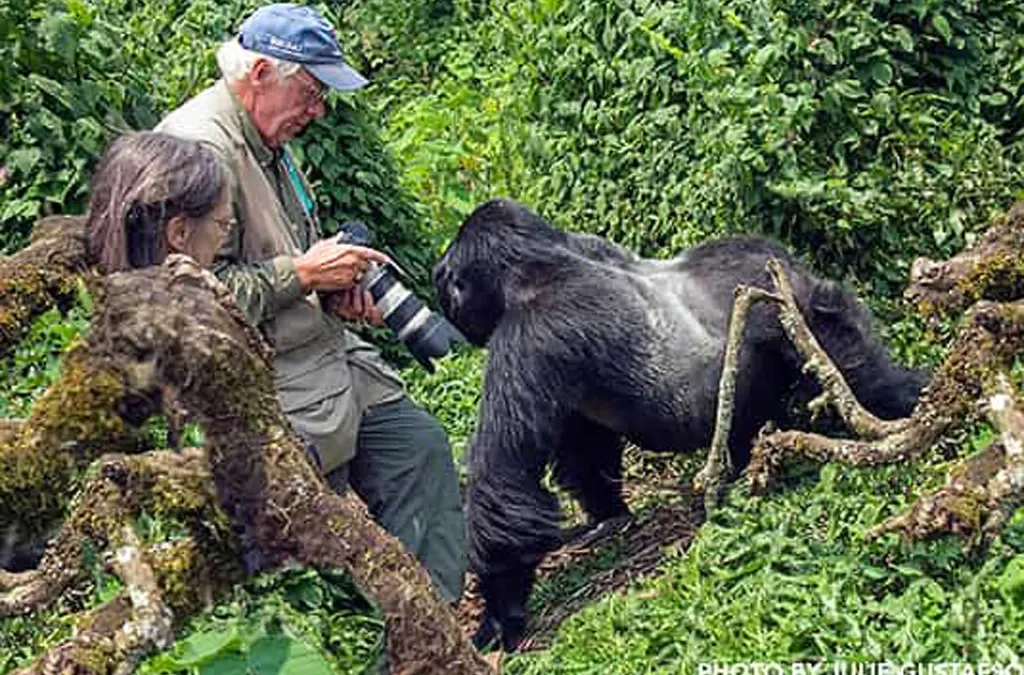
Every eligible trekker needs waterproof hiking boots, long trousers, and a long-sleeved shirt. Gloves and a light rain jacket are also important.
Pack warm layers for early mornings. Volcanoes, Bwindi, and Mgahinga can feel cool.
Akagera and lower savannah areas may feel warmer. Therefore, light neutral clothing works better there.
Each family member should have comfortable walking shoes for city and lodge use. Sandals may also be useful at the hotel.
Bring sunscreen, hats, insect repellent, and reusable water bottles. In addition, carry personal medicine and copies of travel documents.
Avoid overpacking. Many lodges offer laundry, although service times vary.
Packing for Children Under 15
Younger children still need suitable safari clothes.
Pack light shirts, long trousers, comfortable shoes, a warm sweater, and a rain jacket. In addition, bring sun protection and insect repellent suitable for their age.
A small backpack can hold snacks, water, and simple travel items. However, an adult should manage medicines and important documents.
Bring familiar items that help during road journeys. A book, travel game, or headphones may be useful.
Do not pack too many heavy toys. Luggage space may be limited inside the safari vehicle.
Meals and Dietary Needs
Most safari lodges can prepare child-friendly meals with advance notice.
Tell the operator about allergies, vegetarian diets, and other needs before arrival. Remote lodges need time to buy special food.
Full-board stays are common near gorilla parks. This normally includes breakfast, lunch, and dinner.
On trekking day, the lodge provides a packed lunch for the trekkers. However, confirm it the evening before.
Carry a few familiar snacks for long transfers. Nevertheless, check border rules before bringing food between countries.
Drink bottled or properly filtered water. Avoid untreated tap water unless the lodge confirms it is safe.
Keeping Children Comfortable on Safari
A successful family safari should include rest.
Do not schedule an early start, long transfer, and evening activity on the same day. Instead, give the family time to settle into each lodge.
Plan regular toilet and meal stops. A private vehicle makes these breaks easier.
Bring light layers because temperatures change during the day. In addition, keep water within easy reach.
Allow some free time at lodges with family-friendly facilities. A slower itinerary often creates a better holiday.
Family Photography Tips
Gorilla forest light can be low. Therefore, learn the camera settings before travel.
Flash photography is not allowed near gorillas. Turn off the flash before reaching the family.
Teenagers should keep cameras secure and follow the ranger. No one should leave the group for a better photograph.
A phone camera may be easier to manage than heavy equipment. In addition, it leaves one hand free for balance.
Use rain covers for cameras and phones. Spare batteries are also useful.
During community visits, ask permission before photographing people. This is especially important when photographing children.
Responsible Family Safari Travel
A family safari can teach younger travellers about respect for wildlife and local communities.
Do not feed wild animals. In addition, never throw waste from the vehicle.
Keep voices low near wildlife. Children should remain inside the vehicle unless the guide says it is safe to leave.
Choose genuine community activities that provide local benefits. Avoid treating people or villages as displays.
Ask before taking photographs. Moreover, follow local dress and behaviour guidance.
Use reusable bags and bottles where possible. Rwanda has strict rules on plastic carry bags and several single-use plastic items.
Best Time for a Family Gorilla Safari
Gorilla trekking is available throughout the year.
June to September is popular because conditions are often relatively dry. December to February can also provide good travel weather.
However, mountain forests may receive rain in any month. Therefore, waterproof clothing is always needed.
March to May is usually wetter. October and November may also bring more rain.
Wet-season travel can offer green scenery and fewer visitors. Nevertheless, muddy trails and slower roads may be harder for families.
School holiday dates often overlap with busy travel periods. As a result, permits and family rooms should be booked early.
How Many Days Does a Family Safari Need?
A Rwanda-only family safari can work in five to eight days.
A short route may combine Kigali, Volcanoes National Park, and Lake Kivu. With more time, add Akagera.
An Uganda-only family safari normally needs seven to twelve days. This allows enough time for road travel and rest.
A combined Rwanda and Uganda safari works best with at least seven days. However, ten to fourteen days provides a more relaxed pace.
Families should avoid adding every possible park. Fewer destinations with longer stays usually create a better experience.
Five-Day Family Gorilla Safari in Rwanda
On the first day, arrive at Kigali International Airport. Meet your driver-guide and transfer to a family-friendly hotel.
The second day can include a gentle Kigali tour. Afterward, travel to Volcanoes National Park.
Eligible family members trek gorillas on day three. Meanwhile, younger children follow the pre-arranged supervised programme.
The fourth day may include a family cultural activity or golden monkey tracking for eligible travellers. Later, relax at the lodge.
Finally, return to Kigali on day five. Depending on the flight, enjoy shopping or another short city activity.
Seven-Day Rwanda Family Safari
Begin with Kigali and spend the first night in the city.
Next, travel to Akagera National Park. Enjoy a game drive and a Lake Ihema boat trip, subject to the activity’s current family rules.
After two nights in Akagera, return through Kigali and continue to Volcanoes National Park.
Eligible family members complete gorilla trekking. Younger children, meanwhile, take part in the confirmed alternative programme.
Finish with Lake Kivu or another relaxed family stop before returning to Kigali.
Seven-Day Family Gorilla Safari From Kigali to Uganda
On day one, arrive in Kigali and stay overnight.
The next morning, complete a short city tour before travelling toward Uganda. Cross the border and continue to Rushaga, Nkuringo, or Mgahinga.
Spend the third day at the lodge or on a suitable family activity. This rest day also prepares the trekkers for the forest.
On day four, eligible family members join the gorilla trek. Younger children follow the supervised lodge or community programme.
Afterward, travel to Lake Bunyonyi, Lake Mutanda, or another suitable stop.
Finally, return to Kigali over two relaxed days. This reduces long road hours.
Ten-Day Rwanda and Uganda Family Safari
Begin with two nights in Kigali and Akagera National Park.
After a game drive and boat activity, return toward Kigali. Then, travel to Volcanoes National Park.
Eligible family members can trek gorillas in Rwanda. Alternatively, the family may choose golden monkeys and save the gorilla trek for Uganda.
Next, cross into Uganda and continue to Bwindi or Mgahinga. Spend enough time near the forest for trekking and rest.
Afterward, add Queen Elizabeth National Park or Lake Bunyonyi.
End the safari in Kigali or Entebbe. The best final airport depends on the route and available flights.
Fourteen-Day Rwanda and Uganda Family Safari
A fourteen-day journey offers the best pace for a full family holiday.
Begin in Kigali and visit Akagera National Park. Next, travel to Volcanoes National Park and Lake Kivu.
Cross into Uganda and continue to Bwindi. Eligible visitors can trek gorillas, while younger children join the confirmed alternative plan.
Afterward, travel to Queen Elizabeth National Park. Enjoy game drives and a Kazinga Channel cruise.
Kibale can also be added for eligible chimpanzee trekkers. However, Uganda’s current chimpanzee age rules must be checked for every child.
Finally, travel to Lake Mburo before reaching Entebbe.
This route includes primates, wildlife, lakes, and cultural experiences. Moreover, the longer schedule reduces daily pressure.
Common Family Gorilla Safari Mistakes
One common mistake is buying a permit for a child who is under 15. The official age rule applies in both countries.
Another problem is failing to plan a supervised activity for younger children. The gorilla trek may take most of the day. Therefore, a short one-hour activity may not cover the full period.
Booking the wrong Bwindi lodge is also a serious issue. Accommodation must match the permit sector.
Long driving days can make the journey tiring. Instead, include rest stops and overnight breaks.
Some families also pack too much. Soft bags and quick-drying clothes are easier to manage.
Finally, do not hide illness before trekking. Gorillas can catch human infections.
Family Gorilla Safari Costs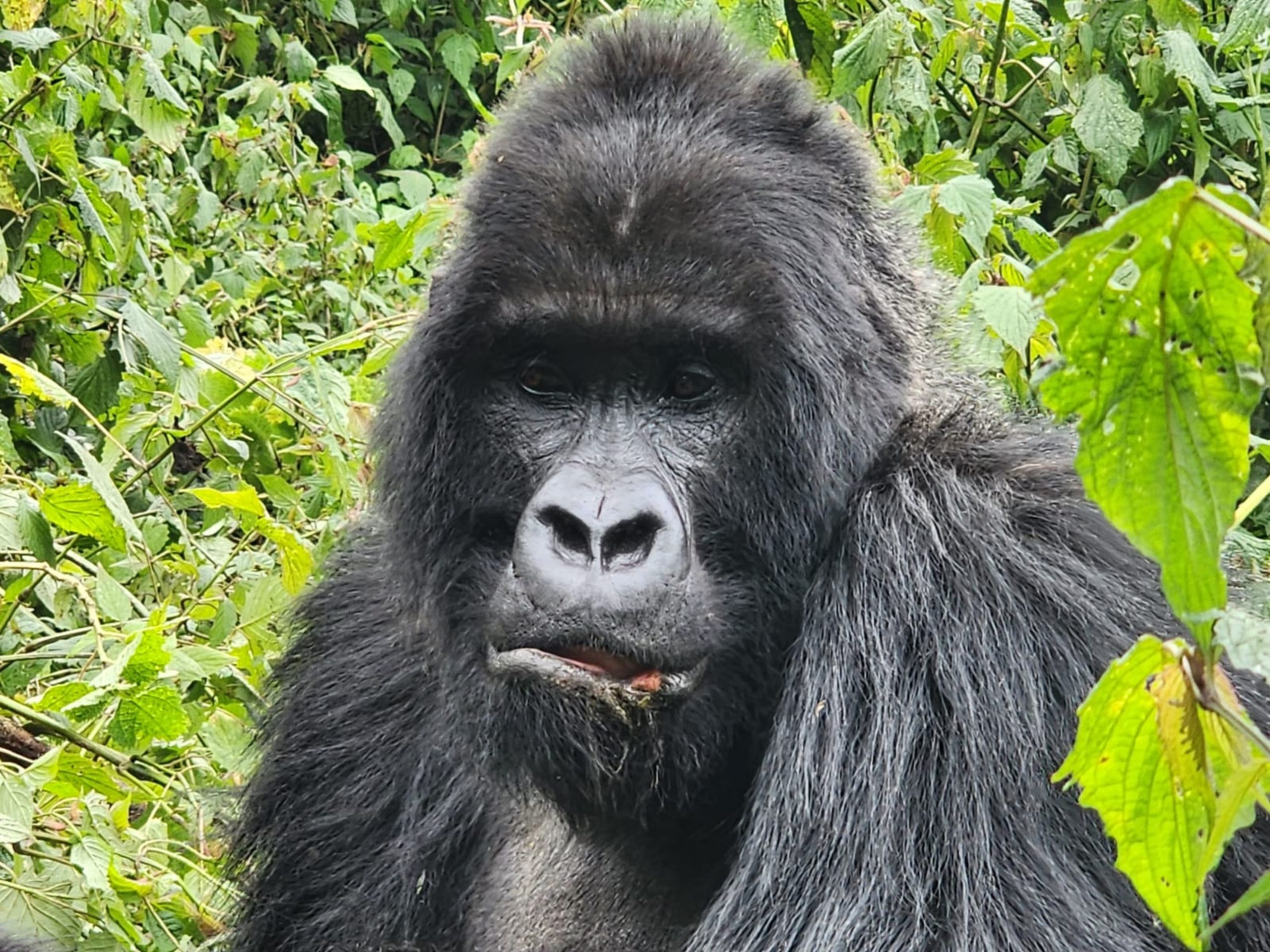
The total price depends on the number of family members, permit count, route, hotels, and activities.
Rwanda’s standard gorilla permit costs more than Uganda’s normal foreign visitor permit. However, Rwanda’s road journeys are shorter.
Uganda may offer lower permit costs. Nevertheless, longer transport and extra hotel nights may raise the total package price.
A private vehicle costs more than shared transport. Still, it gives families more comfort and flexibility.
Family rooms may reduce the accommodation cost. However, room occupancy rules differ between lodges.
Request a detailed quotation. It should show permits, rooms, meals, transport, park fees, and activities.
Choosing a Family Safari Operator
Select a registered and experienced operator.
The company should explain the gorilla age rule clearly. It should also provide safe alternatives for younger children.
Ask for the exact hotel names and room types. In addition, confirm the vehicle size and seat arrangement.
The itinerary should include realistic driving times. Long routes must have suitable meal and toilet stops.
Review payment and cancellation terms before sending money. Gorilla permits may have strict conditions.
A reliable operator will request passport details for permit holders. Moreover, it will match the Bwindi lodge with the correct trekking sector.
Frequently Asked Questions
Can children trek gorillas in Rwanda?
Only visitors who meet the official minimum age can trek. Rwanda currently sets the minimum age at 15.
Can children trek gorillas in Uganda?
Uganda Wildlife Authority’s guidelines also set the minimum age at 15.
Can a strong 14-year-old get an exception?
Families should not plan around an exception. The official age rule must be respected.
Can younger children still join the safari?
Yes. They can enjoy other family activities. However, they need an adult-supervised plan during the trek.
Which country has cheaper gorilla permits?
Uganda’s standard foreign visitor permit is normally cheaper than Rwanda’s. However, current prices should be confirmed before booking.
Which country has shorter drives?
Rwanda has shorter travel times. Volcanoes National Park is only a few hours from Kigali.
Can we start an Uganda gorilla safari in Kigali?
Yes. Kigali is a useful gateway for Mgahinga and southern Bwindi.
Is gorilla trekking difficult for teenagers?
The difficulty changes each day. Teenagers should prepare for mud, hills, and several hours of walking.
Should teenagers hire porters?
Yes. A porter can carry the bag and help on difficult ground.
Can the whole family stay near the gorilla park?
Yes. Younger children can stay near the park even though they cannot join the trek.
Are family rooms available?
Many lodges offer family rooms, cottages, or connected rooms. However, availability should be confirmed early.
Is Rwanda or Uganda better for a short family safari?
Rwanda is often better for a short trip because the driving distances are smaller.
Is Uganda better for a longer family holiday?
Uganda provides excellent variety for longer journeys. However, the itinerary should include rest days.
Can families combine Rwanda and Uganda?
Yes. A cross-border route can include Kigali, Volcanoes, Bwindi, Mgahinga, or Queen Elizabeth National Park.
What should families pack?
Pack hiking boots, long trousers, rain jackets, warm layers, sun protection, and insect repellent. Younger children also need comfortable travel clothes.
Final Family Gorilla Safari Rwanda and Uganda Guide
A family gorilla safari in Rwanda and Uganda requires careful planning. However, the result can be a rich and rewarding holiday.
First, check the age of every traveller. Only visitors aged 15 or older can join standard gorilla trekking.
Next, secure permits for eligible family members. Afterward, select accommodation near the correct park office.
Arrange a safe, supervised plan for younger children. This programme should cover the full possible trekking day.
Choose Rwanda for shorter drives and an easy family route. Alternatively, select Uganda for permit value and a longer adventure.
A combined Rwanda–Uganda safari can offer the best of both countries. Families can enjoy gorillas, wildlife, lakes, culture, and beautiful scenery.
Most importantly, keep the itinerary realistic. Include rest, use a spacious vehicle, and avoid too many long road days.
Plan Your Family Safari With Universal Ventures Rwanda
Universal Ventures Rwanda organises private family safaris in Rwanda and Uganda.
Our team can arrange gorilla permits, family rooms, safari lodges, airport transfers, and private four-wheel-drive transport. We also provide professional English-speaking driver-guides.
In addition, we can plan age-suitable activities for younger family members who cannot join gorilla trekking. These arrangements are confirmed in advance and built into the family itinerary.
Safari options may include Volcanoes National Park, Akagera, Lake Kivu, Bwindi, Mgahinga, Queen Elizabeth National Park, and Lake Bunyonyi.
Universal Ventures Rwanda
Address: KK 15 Road, Kigali, Rwanda
Telephone/WhatsApp: +250 781 441 853
Email: info@universalventuresrwanda.com

Related Posts

Comments (0)