
Traveling from Kigali to gorilla trekking in Volcanoes National Park is one of the most…
Gorilla Safari Packing Guide for Rwanda and Uganda
This Gorilla Safari Packing Guide for Rwanda and Uganda explains exactly what to bring for mountain gorilla trekking in Volcanoes National Park, Bwindi Impenetrable National Park and Mgahinga Gorilla National Park. It covers clothing, footwear, rain protection, cameras, medication, travel documents and general safari equipment.
Standing quietly in a rainforest while a silverback watches over his family is one of Africa’s most powerful wildlife encounters. However, before reaching the gorillas, travelers may have to cross farmland, climb forested slopes and follow muddy trails through dense vegetation.
The right equipment makes that journey safer and more comfortable. The wrong equipment can leave a visitor wet, cold, scratched or struggling for balance.
Packing for gorilla trekking differs from packing for a conventional African wildlife safari. Savannah game drives take place mainly inside a vehicle. Gorilla trekking takes visitors into a humid mountain forest where rain can fall at any time.
Trails may be steep, slippery and overgrown. Stinging nettles, branches, roots, insects and deep mud are normal features of the environment. Conditions may change considerably between the morning briefing and the return to the lodge.
This does not mean travelers need highly specialized mountaineering equipment. Most people can prepare with good hiking boots, practical layers and a waterproof daypack. The goal is protection and comfort, not carrying the largest possible collection of outdoor gear.
Why Packing Correctly Matters for Gorilla Trekking
Gorilla trekking is not a predictable walk along a prepared tourist path. Trackers locate each gorilla family in the morning, and visitors follow rangers through the forest to reach it.
One trek may take less than two hours, while another may involve much more walking. Gorillas move freely, so no operator can guarantee their exact position or the difficulty of the trail.
Rain can turn firm soil into slippery mud. Vegetation can brush against the arms and legs, while exposed roots create uneven footing. At higher elevations, mornings may feel cold before the temperature rises during the walk.
Correct clothing protects the body from vegetation, insects, rain and temperature changes. Proper footwear improves traction and ankle stability. A waterproof bag protects medication, documents and camera equipment.
Packing too much creates its own problem. Heavy luggage is difficult to manage in safari vehicles, and an overloaded trekking backpack makes walking unnecessarily tiring.
The ideal approach is selective. Bring reliable equipment that performs more than one function and can be reused during the rest of the safari.
Gorilla Trekking Conditions in Rwanda
Rwanda’s mountain gorillas live in Volcanoes National Park, part of the Virunga Massif in the northwest of the country. The park’s landscape includes bamboo forest, montane vegetation and volcanic slopes.
Trekkers begin at the park headquarters in Kinigi. After registration and allocation, visitors travel or walk toward the trailhead assigned to their gorilla group.
Volcanoes National Park sits at a significant elevation. Early mornings may feel cool, particularly when mist hangs over the mountains. The combination of altitude and physical effort can make walking more demanding than expected.
Rain is possible throughout the year. Even when no rain falls during the trek, vegetation may remain wet from earlier showers. Trousers, gloves and boots can therefore become damp.
Some routes pass through agricultural land before entering the forest. Conditions then become rougher as trekkers approach the gorillas.
Visitors should wear layers rather than one heavy jacket. A cool morning can become warm once the climbing begins. A breathable base layer, light fleece and waterproof outer shell provide flexibility.
The standard Rwanda gorilla permit currently costs USD 1,500 per person per trek, and the minimum trekking age is 15. Permit prices and regulations should be reconfirmed before booking through an authorized operator or official source. Visit Rwanda publishes current gorilla-tracking guidance.
Gorilla Trekking Conditions in Uganda
Uganda offers gorilla trekking in Bwindi Impenetrable National Park and Mgahinga Gorilla National Park.
Bwindi is divided into several trekking sectors, including Buhoma, Ruhija, Rushaga and Nkuringo. Terrain and lodge access vary between sectors. Some walks begin close to the forest, while others involve transfers to a separate trailhead.
Bwindi’s name accurately reflects its dense vegetation. Trails may cross steep forested hills, streams and tangled undergrowth. Rain can make the paths slippery, and sections may require careful movement around roots or fallen branches.
Mgahinga lies in the Virunga landscape and shares some environmental characteristics with Rwanda’s Volcanoes National Park. Its slopes and altitude make proper footwear and layered clothing equally important.
Uganda itineraries often involve longer road journeys than comparable Rwanda gorilla safaris. Travelers should therefore pack for both trekking and extended transfers.
A lightweight travel pillow, comfortable road clothing, refillable bottle and easily accessible day bag improve the journey to southwestern Uganda.
Permit prices, activity rules and trekking locations can change. Travelers should confirm current details with the Uganda Wildlife Authority or a reputable tour operator before making non-refundable arrangements.
Essential Clothing in a Gorilla Safari Packing Guide for Rwanda and Uganda
Your trekking clothes are protective equipment. Fashion is secondary to coverage, mobility and the ability to dry quickly.
Long-Sleeved Trekking Shirts
A lightweight, long-sleeved shirt protects the arms from branches, stinging vegetation, insects and strong sunlight when the trail leaves the forest canopy.
Choose a breathable fabric that moves moisture away from the skin. Technical synthetic fabrics and lightweight merino wool usually dry faster than heavy cotton.
The shirt should allow unrestricted movement. Test whether you can raise your arms, reach forward and use trekking poles comfortably.
A very tight shirt may become uncomfortable when wet. An excessively loose shirt can catch on vegetation. A relaxed but secure fit works best.
Pack at least two trekking shirts if your itinerary includes gorillas, golden monkeys, chimpanzees or forest walks on consecutive days. Laundry may not dry overnight in humid mountain conditions.
Neutral colors such as olive, khaki, brown, beige and muted gray work well. Bright white clothing shows mud immediately, while fluorescent colors are unnecessary in a sensitive wildlife environment.
Long Trekking Trousers
Shorts are not suitable for gorilla trekking. Long trousers protect the legs from nettles, insects, thorns and branches.
Choose lightweight or medium-weight hiking trousers with some stretch. You should be able to take a high step, squat slightly and move across uneven ground without the fabric restricting your knees.
Quick-drying fabric is preferable. Heavy jeans absorb water, become cold and take a long time to dry. Thin fashion leggings provide mobility but may offer inadequate protection against thorns and stinging vegetation.
Water-resistant trousers can handle light moisture and wet plants. Fully waterproof over-trousers provide stronger rain protection but may feel hot during strenuous walking.
Some travelers tuck their trouser cuffs into long socks to stop ants or other insects from reaching the skin. Gaiters offer a neater and more protective alternative.
Bring a second pair of trekking trousers if you have more than one forest activity. The first pair may be too muddy or wet to wear again the following morning.
Moisture-Wicking Base Layers
A breathable base layer helps regulate temperature as conditions change. It moves perspiration away from the skin during the climb and provides warmth when the group stops.
A short-sleeved technical shirt can sit beneath the long-sleeved trekking shirt. Travelers can then adjust layers without removing all upper-body protection.
Avoid thick cotton as the main base layer. Once wet with rain or perspiration, it can remain damp for hours.
Women should choose a supportive and comfortable sports bra. The trek may involve climbing, bending and negotiating uneven ground, so regular fashion undergarments may become uncomfortable.
A Light Fleece or Warm Mid-Layer
Mornings in the gorilla regions can be cool. A lightweight fleece, merino pullover or compact insulated layer adds warmth during the briefing and early stages of the trek.
The layer should fit easily inside the daypack after the body warms. A bulky winter jacket takes up unnecessary space and is rarely needed for ordinary gorilla trekking.
Warm clothing is also useful at lodges near Volcanoes, Bwindi and Mgahinga. Evenings can feel cool, especially after rain.
One versatile fleece can be worn during the trek, at dinner and on early-morning transfers.
Waterproof Rain Jacket
A reliable rain jacket is one of the most important items in any Gorilla Safari Packing Guide for Rwanda and Uganda. Mountain rainforests receive precipitation throughout the year, including during generally drier travel periods.
Choose a lightweight waterproof shell with a hood. It should be large enough to fit over the base and mid-layers without restricting movement.
Water-resistant windbreakers are useful for brief drizzle but may not protect against sustained rain. Check the garment’s actual waterproof rating rather than relying only on its appearance.
Underarm ventilation can improve comfort during strenuous climbing. Secure pockets are useful for small items, although electronics should still remain in waterproof protection.
A poncho covers both the traveler and part of the backpack. However, loose fabric can catch on vegetation and interfere with movement. Some trekkers prefer a fitted rain jacket combined with a backpack rain cover.
Waterproof Over-Trousers
Waterproof trousers are optional during drier conditions but valuable in prolonged rain. They keep trekking trousers dry and reduce the discomfort of walking for hours in wet fabric.
Choose over-trousers that can be pulled over boots or opened with side zips. Removing hiking boots beside a muddy trail is impractical.
Test them before departure. They must allow full movement and should not become dangerously slippery when sitting on wet surfaces.
If luggage space is limited, water-resistant trekking trousers may be sufficient for many visitors. Those traveling during wetter months should give waterproof over-trousers greater priority.
The Best Footwear for Gorilla Trekking
Footwear has more influence on trekking comfort than almost any other item. Poor grip, wet feet or painful blisters can affect the entire experience.
Waterproof Hiking Boots
Wear sturdy, waterproof hiking boots with reliable tread and ankle support. Trails can be muddy, rocky, steep and uneven.
The sole should grip wet earth and exposed roots. Smooth-soled leisure shoes and ordinary city sneakers provide inadequate traction.
Ankle-high boots help prevent mud and water from entering while adding stability. However, support depends on correct fit and construction, not simply the height of the boot.
The boots should be comfortable with the exact socks you plan to wear. Toes require enough space during descents, while the heel should not lift excessively.
Never save new boots for the safari. Wear them repeatedly at home on hills, stairs and longer walks. Breaking them in reduces the risk of blisters and reveals pressure points before the trek.
Clean but do not completely soak the boots before travel. Check laces, seams and waterproofing. Carry spare laces because a broken lace on trekking morning creates an avoidable problem.
Trekking Socks
Good socks reduce friction, manage moisture and provide cushioning. Merino or technical synthetic blends generally perform better than ordinary cotton.
Pack at least two pairs intended specifically for forest activities. A spare pair in a waterproof bag can be useful if the first becomes saturated before the trek is complete.
Long socks allow trouser cuffs to be tucked inside. This helps protect against ants and other insects.
The sock thickness must match the boot fit. An overly thick sock can make correctly sized boots too tight, while thin socks may permit excessive movement.
Some trekkers use a thin liner sock beneath the main sock to reduce friction. Test this system during training walks rather than trying it for the first time in Africa.
Gaiters
Gaiters cover the gap between boots and trousers. They keep mud, water, insects and plant debris away from the lower legs.
Knee-high or mid-calf gaiters offer strong protection in wet vegetation. Short trail gaiters provide less coverage but are lighter and cooler.
Waterproof gaiters are especially helpful in Bwindi during wet conditions and on muddy routes in the Virunga region.
Ensure the fastening system fits your boots. The gaiters should remain secure without restricting circulation.
They are not compulsory, but many travelers consider them one of the most useful additions to a gorilla trekking outfit.
Comfortable Shoes for the Lodge
After trekking, remove wet boots and allow them to dry. Lightweight trainers, sandals or slip-on shoes provide relief at the lodge.
Open footwear is appropriate around the room or main lodge but not for rainforest trekking. Avoid walking outdoors after dark without checking the ground and following lodge guidance.
A second closed shoe is helpful during cultural visits, city tours and road transfers.
Why Gardening Gloves Are Important
Gardening gloves may sound like an unusual safari item, but they are remarkably useful in the rainforest.
Trekkers sometimes hold branches, vines or the ground for balance. Vegetation may contain thorns or stinging nettles, while wet surfaces can be dirty and abrasive.
Choose durable gloves with a textured palm and protected fingers. They should provide grip without being so thick that you cannot adjust a camera or water bottle.
Water-resistant gloves are useful, but fully waterproof models may become hot. A breathable gardening or light work glove is adequate for most visitors.
Test the fit before traveling. Loose gloves reduce control, while tight gloves can interfere with circulation.
Keep them accessible rather than at the bottom of the daypack. You may need them soon after leaving the trailhead.
Hats, Sun Protection and Insect Protection
A lightweight, brimmed hat protects the face and neck when walking through farmland, bamboo zones and other exposed areas.
The sun can remain strong even when mountain temperatures feel cool. Apply broad-spectrum sunscreen to exposed skin before departure and carry a small amount for reapplication.
Sunglasses are useful during transfers and exposed trail sections. Store them in a protective case when the forest becomes dark or dense.
Insect repellent should be selected according to professional medical advice and personal skin sensitivity. Apply it according to the manufacturer’s instructions.
Travelers should not rely on repellent instead of protective clothing. Long sleeves, trousers, socks and gaiters form the main physical barrier.
A buff or light scarf can protect the neck from sun, dust or cool air. It can also help manage perspiration during the trek.
The Ideal Gorilla Trekking Daypack
A daypack of approximately 15 to 25 liters is sufficient for most gorilla treks. It should carry water, food, rain protection, medication, camera equipment and a few personal essentials.
A waterproof backpack is ideal, but water-resistant material alone may not withstand sustained rain. Use a rain cover and place critical items inside waterproof dry bags or resealable pouches.
Choose padded shoulder straps and a stable fit. A waist or chest strap prevents the bag from shifting while climbing.
Avoid bringing a large expedition backpack into the forest. It creates unnecessary weight and can catch on vegetation.
Hiring a porter is highly recommended, even for fit travelers. A porter carries the daypack and offers a steady hand on difficult terrain. The service also supports livelihoods in communities surrounding the parks.
Keep urgent medication in a small accessible pocket and inform the guide where it is located. Do not bury essential items underneath camera equipment.
What to Carry During the Gorilla Trek
The daypack should remain compact and purposeful. Carry drinking water, a packed snack or lunch provided by the lodge, rain protection, medication, camera equipment and a small personal kit.
Water requirements depend on trek length, temperature and the traveler’s needs. Your lodge or operator should confirm how much to bring. A reusable bottle or hydration system reduces disposable waste.
Energy bars, fruit, sandwiches or other portable foods can maintain energy. Food should remain sealed and may only be consumed where the ranger permits. Never eat near the gorillas.
Bring tissues and a small waste bag. Everything carried into the forest must be carried out unless the ranger directs otherwise.
A small microfiber towel helps dry hands, equipment or glasses. Hand sanitizer is useful, although it does not replace proper handwashing.
Do not carry unnecessary valuables. Passports, excess cash and jewelry are usually safer in secure storage at the lodge unless a document is specifically required for registration.
Cameras and Photography Equipment
Gorilla photography presents unusual conditions. Light levels can be low beneath the forest canopy, yet bright patches may appear when sunlight breaks through.
A camera capable of handling higher ISO settings is helpful. However, excellent images can be captured with many modern cameras and phones when conditions are favorable.
A medium telephoto zoom offers flexibility without excessive weight. Extremely long wildlife lenses may be difficult to carry through dense vegetation and are not always necessary when viewing gorillas at the regulated distance.
Bring spare batteries and memory cards. Cold, moisture and frequent image review can consume battery power faster than expected.
Flash photography is not permitted around gorillas. Disable automatic flash before reaching the family so it cannot fire accidentally.
Use a padded waterproof camera insert or dry bag inside the daypack. A simple rain sleeve protects equipment during showers and allows faster access than repeatedly packing the camera away.
A lens cloth and air blower help manage moisture and dirt. Avoid changing lenses repeatedly in rain or dusty conditions.
A secure camera strap leaves both hands available for balance. Wrist straps may work for compact equipment, but heavier cameras require stronger support.
Photography must never override ranger instructions. Remain in the assigned position, keep the required distance and avoid blocking other visitors.
Smartphone Preparation
A modern smartphone can record high-quality photographs and video without the weight of a separate camera system.
Protect it with a water-resistant case and keep it attached with a secure wrist or neck strap where appropriate. Forest surfaces can be steep, and a dropped phone may be difficult to recover.
Download maps, travel documents and essential contact details for offline access. Mobile coverage may be unavailable during the trek.
A compact power bank is useful during long transfers and early starts. Pack the correct cable and test both before departure.
Place the phone in airplane mode during the gorilla encounter if you do not need connectivity. This prevents distracting calls and conserves battery.
Do not play music or use loud notification sounds in the forest. The encounter should remain quiet and respectful.
Travel Documents for Rwanda and Uganda
Travelers should carry a passport valid under the current entry requirements for every country on the itinerary. Verify that it contains enough blank pages where required.
Visa conditions depend on nationality, route and length of stay. Check official immigration sources rather than relying on an old blog or social-media post.
Travelers visiting both Rwanda and Uganda may be eligible for a regional visa arrangement depending on nationality, entry point and current rules. Confirm the conditions before applying because eligibility and procedures may change.
Keep digital and printed copies of the passport information page, visas, flight itinerary, insurance policy, permits and tour confirmation.
Store copies separately from the originals. Secure encrypted cloud storage provides additional backup when internet access is available.
The operator may require passport information to purchase gorilla permits. Names and document numbers must be accurate.
Carry proof of relevant vaccinations when required by the countries visited or transited. Yellow fever certificate requirements can depend on the traveler’s complete route, including certain airport transits.
Health and Medical Packing
Consult a travel-medicine professional several weeks before departure. Health advice depends on age, medical history, vaccination status, itinerary and current public-health conditions.
The World Health Organization recommends discussing required and advisable vaccines with a qualified health professional before international travel. Travelers should also ensure that routine vaccinations are current. WHO provides general vaccination guidance for travelers.
Discuss malaria prevention with a clinician. The recommended medicine depends on the traveler and destination. Insect repellent, protective evening clothing and mosquito nets may complement medication.
Carry prescription medicine in the original labeled packaging. Pack it in hand luggage rather than checked baggage and bring enough for the trip plus a reasonable reserve.
A compact personal medical kit may include blister treatment, adhesive dressings, antiseptic, oral rehydration salts and doctor-approved pain relief.
Trekkers prone to knee pain may discuss suitable support with a healthcare professional. A brace should be tested during training walks.
People with allergies, diabetes, heart conditions or other significant medical needs should carry clear information that guides or medical professionals can understand during an emergency.
Comprehensive travel insurance should cover medical treatment, evacuation, cancellation and planned trekking activities. Disclose existing conditions as required by the insurer.
Personal Toiletries and Hygiene
Pack toiletries in travel-sized, leak-resistant containers. Lodges often provide soap, shampoo and basic bathroom products, but brands and ingredients vary.
Biodegradable products reduce environmental impact, although all toiletries should be used and disposed of responsibly.
Wet wipes can be helpful after trekking, but they must be carried out and disposed of properly. Never leave them in the forest.
Bring lip balm and moisturizer because altitude, sun, wind and indoor heating can dry the skin.
A small packet of laundry detergent helps wash socks or base layers when lodge laundry is unavailable. Check whether the lodge washes underwear, as policies differ.
Menstrual products should be packed in sufficient quantity because preferred brands may not be available near parks. A discreet disposal bag is useful during long activities.
Contact-lens wearers should bring glasses as backup. Forest moisture, dust from road travel and long days can irritate the eyes.
Packing for Different Seasons
Rwanda and Uganda can receive rain throughout the year. A forecast describing a dry season does not eliminate the need for waterproof clothing.
During relatively drier periods, trails may offer firmer footing, but dust can affect road transfers and savannah game drives. Pack a light scarf, sunglasses and lens-cleaning supplies.
Wetter periods make waterproof boots, gaiters, rain trousers and dry bags particularly important. Bring enough trekking clothing to allow one set to dry.
Temperatures vary more by elevation and time of day than many visitors expect. Gorilla regions can be cool during early mornings and evenings, while lower-altitude wildlife parks may feel significantly warmer.
Layering is therefore more effective than packing separate wardrobes for every condition.
Weather forecasts for mountain environments can change quickly. Prepare for sun, mist, rain and physical warmth from climbing on the same day.
Packing for a Combined Gorilla and Wildlife Safari
Many travelers combine gorilla trekking with Akagera National Park in Rwanda or Queen Elizabeth, Murchison Falls and other wildlife destinations in Uganda.
Game-drive clothing can be lighter than trekking clothing. Breathable short-sleeved shirts are suitable inside the vehicle, although long sleeves provide sun and insect protection.
Bring a warm layer for early-morning drives. Open-sided vehicles can feel cold before sunrise.
A brimmed hat, sunscreen, sunglasses and binoculars are valuable in savannah parks. Neutral-colored clothing remains practical because it conceals dust.
Comfortable closed shoes are usually adequate for standard vehicle-based game drives. Hiking boots are unnecessary inside the vehicle but should remain packed for forest activities.
A swimsuit may be useful if the itinerary includes a lodge pool or Lake Kivu accommodation.
Smart-casual clothing is sufficient for most lodge dinners. Formal evening wear, high heels and heavy suits are rarely necessary.
Packing for Chimpanzee and Golden Monkey Trekking
Chimpanzee tracking in Nyungwe or Uganda’s forest parks requires equipment similar to gorilla trekking.
Chimpanzees can move quickly, so lightweight clothing and a manageable daypack become especially important. Waterproof boots, long trousers and rain protection remain essential.
Golden monkey trekking takes place in bamboo and mountain forest. Although some routes may be shorter than gorilla treks, mud, slopes and wet vegetation are still possible.
Do not pack only one forest outfit when several primate activities are scheduled. A muddy garment may not dry before the following morning.
Garden gloves and gaiters remain useful for all dense-forest activities, although exact trail conditions vary.
Luggage for Road Safaris and Light Aircraft
Soft-sided luggage generally fits more easily into safari vehicles than large rigid suitcases. Duffel bags with secure zips work well for road itineraries.
Use packing cubes to separate trekking clothes, casual clothing, electronics and laundry. Waterproof pouches provide extra protection.
If the itinerary includes a light-aircraft transfer, confirm the airline’s current luggage limit and bag-dimension rules before departure. These restrictions may be significantly lower than international airline allowances.
Do not assume that paying for an extra international checked bag solves a light-aircraft limit. Bush aircraft may have strict weight and storage restrictions.
Essential medication, documents, one trekking outfit and valuable electronics should remain in hand luggage during international travel. Checked bags can be delayed.
A luggage scale helps prevent surprises before departure and during the return journey.
What Not to Pack for Gorilla Trekking
Avoid ordinary sandals, smooth-soled sneakers and open shoes for the forest. They provide inadequate protection and traction.
Do not depend on shorts or short skirts. Exposed legs are vulnerable to vegetation and insects.
Heavy denim is uncomfortable when wet and dries slowly. Choose quick-drying trekking fabric instead.
Leave expensive jewelry and unnecessary valuables at home. They offer no practical benefit during the safari.
Avoid carrying an oversized backpack during the trek. It adds weight and interferes with movement.
Do not pack camouflage-pattern clothing. In several African countries, camouflage is associated with military use and may be restricted or viewed as inappropriate.
Avoid heavily perfumed products around wildlife. Fragrances can also attract insects or bother other trekkers.
Single-use plastic restrictions may apply. Confirm current regulations and use reusable alternatives whenever possible.
Preparing Your Equipment Before Departure
Packing should begin several weeks before the safari, not the night before the flight.
Walk repeatedly in your hiking boots while wearing the planned socks. Include hills, stairs and uneven surfaces where possible.
Wear the complete trekking outfit during a training walk. Check whether the trousers restrict movement, the rain jacket ventilates properly and the backpack remains comfortable.
Practice placing the rain cover over the backpack quickly. A mountain shower may arrive with little warning.
Charge cameras and power banks, format memory cards after backing them up and test every cable.
Photograph important documents and store the copies securely. Confirm that permit names match passport details.
Review the itinerary day by day. This helps identify whether you need one or two trekking outfits, a swimsuit, formal city clothing or additional warm layers.
A Practical Gorilla Trekking Outfit
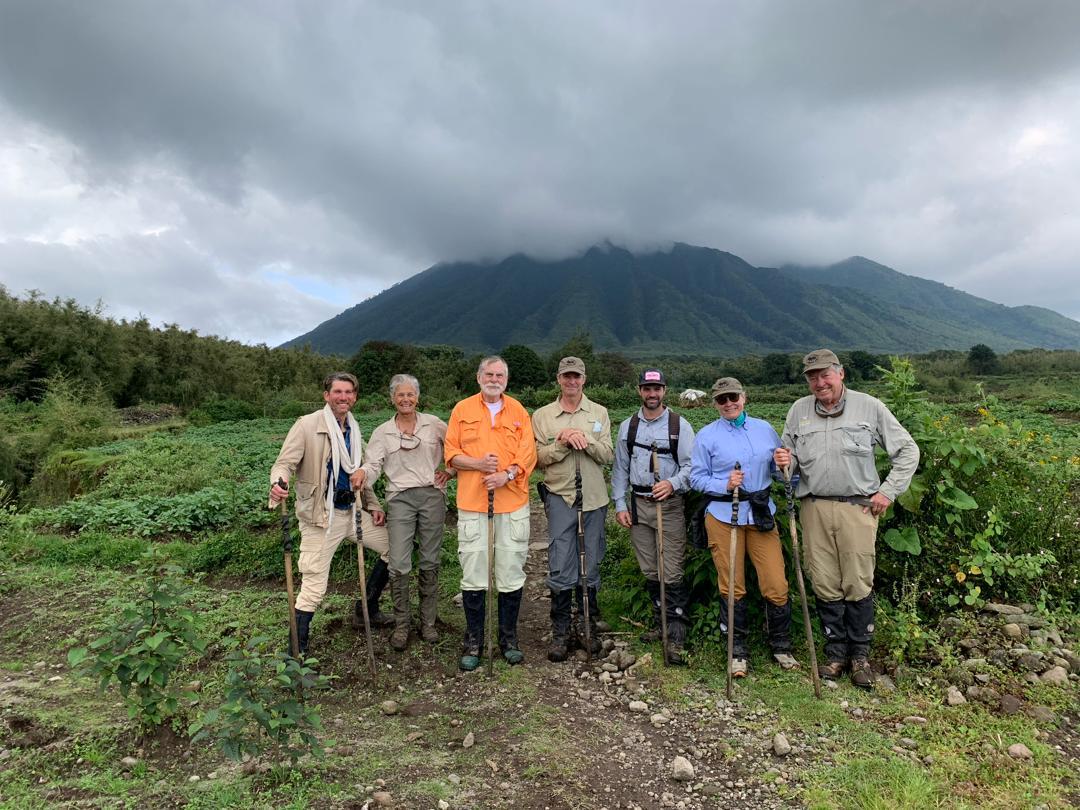
A reliable trekking outfit consists of a moisture-wicking base layer, breathable long-sleeved shirt, flexible long trousers, long technical socks and broken-in waterproof boots.
Add gaiters over the boot-and-trouser connection. Carry a light fleece and wear or pack a waterproof hooded jacket.
Gardening gloves, a brimmed hat and trekking poles or a walking stick complete the protective equipment.
Place water, food, camera equipment, medication and spare clothing inside waterproof protection within the daypack.
This simple combination works in both Rwanda and Uganda. Small adjustments can be made according to season, fitness and personal preference.
Packing Checklist for Gorilla Trekking
Although this guide avoids turning every section into a list, a final departure checklist is useful.
Essential trekking equipment
- Broken-in waterproof hiking boots
- Long quick-drying trekking trousers
- Long-sleeved breathable shirts
- Technical or merino hiking socks
- Waterproof hooded rain jacket
- Gardening or light work gloves
- Gaiters
- Light fleece or warm mid-layer
- Brimmed hat
- Small waterproof daypack
- Backpack rain cover or dry bags
- Reusable water bottle
- Walking poles if personally required
Documents and money
- Passport
- Appropriate visas
- Gorilla permit confirmation
- Travel-insurance details
- Flight itinerary
- Emergency contacts
- Vaccination documentation where required
- Bank cards and securely separated emergency funds
- Printed and digital document copies
Photography and electronics
- Camera or smartphone
- Waterproof camera protection
- Spare batteries
- Memory cards
- Charging cables
- Plug adapter
- Power bank
- Lens cloth
- Binoculars
Health and personal care
- Prescription medicine
- Travel-health supplies
- Blister treatment
- Insect repellent
- Sunscreen
- Hand sanitizer
- Lip balm
- Personal toiletries
- Glasses or contact-lens backup
- Tissues and personal waste bags
Common Packing Mistakes
The most common mistake is wearing new hiking boots. Even expensive boots can cause blisters if they have not been tested.
Another error is bringing only one pair of trekking trousers for consecutive forest activities. Clothes may remain wet overnight.
Some visitors pack a thick winter coat but no waterproof shell. Rain protection is more useful than excessive insulation.
Many people underestimate the value of gardening gloves. Hands are often used for balance on wet or overgrown slopes.
Others carry too much camera equipment. A heavy backpack reduces stability and makes a long trek more tiring.
Placing medication and all trekking clothes in checked baggage is another avoidable risk. Carry enough essential equipment to complete the activity if checked luggage is delayed.
Finally, do not assume the lodge will supply every missing item. Some properties loan gaiters, walking sticks or backpacks, but this varies. Confirm specific arrangements before leaving home.
Frequently Asked Questions
What should I wear for gorilla trekking?
Wear long quick-drying trousers, a breathable long-sleeved shirt, long hiking socks, waterproof boots and a rain jacket. Gloves and gaiters provide additional protection.
Are hiking boots compulsory?
Regulations may not specify a particular boot, but sturdy waterproof footwear with strong grip is the safest practical choice. Ordinary sneakers may become wet and unstable on muddy slopes.
Can I wear trainers for gorilla trekking?
Trainers are not recommended. Most offer less ankle protection and traction than hiking boots. Mud and water may also enter easily.
Can I wear shorts?
Shorts leave the legs exposed to branches, nettles and insects. Long trekking trousers are strongly recommended.
Do I need gardening gloves?
Yes. Gloves protect your hands when using vegetation or the ground for balance. They are inexpensive, light and highly useful.
Do I need gaiters?
Gaiters are not always compulsory, but they prevent mud, insects and water from entering around the boots. They are especially useful during wet conditions.
What color should I wear?
Neutral colors such as olive, brown, khaki, beige and gray are practical. They blend naturally with the environment and conceal mud better than white clothing.
Should I wear camouflage?
No. Avoid camouflage clothing because it can be associated with military uniforms and may be restricted or considered inappropriate.
Does it rain during the dry season?
Yes. Gorilla habitats are mountain rainforests, and showers can occur throughout the year. Always carry rain protection.
How large should my daypack be?
A pack of approximately 15 to 25 liters is sufficient for most trekkers. It should be comfortable, compact and protected from rain.
Should I hire a porter?
Yes. Porters carry the daypack and assist on difficult terrain. Hiring one also supports local employment.
Can I bring a camera?
Yes. Protect it from moisture, disable the flash and follow ranger instructions. Bring spare batteries and memory cards.
Is flash photography allowed?
No. Flash must not be used around the gorillas. Disable automatic flash before the encounter.
Do I need a long camera lens?
A moderate telephoto zoom is usually sufficient. Extremely long and heavy lenses can become difficult to carry in dense forest.
Can I use my phone for photographs?
Yes. Modern smartphones can produce excellent results. Use a waterproof case and secure strap.
Should I bring food?
The lodge or operator may provide a packed meal or snacks. Carry only suitable sealed food and eat where the ranger permits.
How much water should I carry?
The appropriate quantity depends on trek duration, weather and personal requirements. Ask your guide, and begin the activity well hydrated.
Should I carry my passport during the trek?
You may need identification or documentation during registration, but requirements vary. Ask your operator whether the original passport or a copy should be carried.
What happens to muddy boots after trekking?
Many lodges offer boot-cleaning services. Confirm the arrangement and bring comfortable footwear to wear while the boots dry.
Do lodges provide laundry?
Many do, but turnaround time and policies vary. Humid conditions can delay drying, so bring enough clothing for consecutive activities.
What should I wear at the lodge?
Casual, comfortable clothing is suitable. Bring a warm layer for cool evenings and closed shoes for outdoor movement after dark.
Is the packing list different for Uganda and Rwanda?
The essential forest equipment is nearly identical. Uganda itineraries may involve longer drives or domestic flights, while Rwanda’s Volcanoes region is reached more quickly from Kigali. Specific luggage limits and lodge services vary.
Do I need trekking poles?
They are optional but useful for travelers who prefer additional stability. Rangers may also provide or arrange a basic walking stick.
Can I buy trekking equipment after arriving?
Basic items may be available in Kigali, Kampala, Entebbe, Musanze or other larger towns. However, fit-dependent equipment such as boots should be purchased and tested before travel.
How many trekking outfits should I pack?
One is sufficient for a single forest activity if laundry time is available. Pack two sets when gorilla, chimpanzee or golden monkey activities occur on consecutive days.
What should stay in my hand luggage?
Keep medication, documents, valuables, electronics and at least one complete trekking outfit in your carry-on bag.
Final Advice from This Gorilla Safari Packing Guide for Rwanda and Uganda
Successful packing is not about purchasing every piece of outdoor equipment available. It is about preparing for wet vegetation, uneven terrain, changing temperatures and a potentially long day in the forest.
Invest first in comfortable waterproof hiking boots. Add long quick-drying clothing, a reliable rain jacket, gloves and a manageable daypack. Protect documents, medication and cameras from moisture.
Test everything at home. Walk in the boots, wear the backpack and confirm that the clothing allows free movement. Equipment that works during training is more trustworthy than an expensive item unpacked for the first time on trekking morning.
Remember that conditions vary. No packing list can predict the location of the gorillas, the duration of the walk or the exact weather. Flexible layers and well-chosen essentials prepare you for those uncertainties.
The most important item is not a fashionable safari shirt or enormous camera lens. It is equipment that allows you to move safely, remain present and appreciate the extraordinary moment when you finally meet a mountain gorilla family.
Use this Gorilla Safari Packing Guide for Rwanda and Uganda as a foundation, then adapt it to your medical needs, itinerary, season and luggage limits.
Plan Your Rwanda and Uganda Gorilla Safari
Universal Ventures Rwanda organizes personalized gorilla trekking safaris in Rwanda and Uganda. Our team can arrange gorilla permits, professional guides, private four-wheel-drive transportation, porter assistance, carefully selected lodges and combined wildlife experiences.
We also provide itinerary-specific packing advice based on your trekking destination, season and additional safari activities.
Universal Ventures Rwanda
Telephone and WhatsApp: +250 781 441 853
Email: info@universalventuresrwanda.com
Address: KN 15 Road, opposite IPRC Entrance, 1st Floor, SANGWA Plaza, Kigali, Rwanda
Website: www.universalventuresrwanda.com

Related Posts

Comments (0)